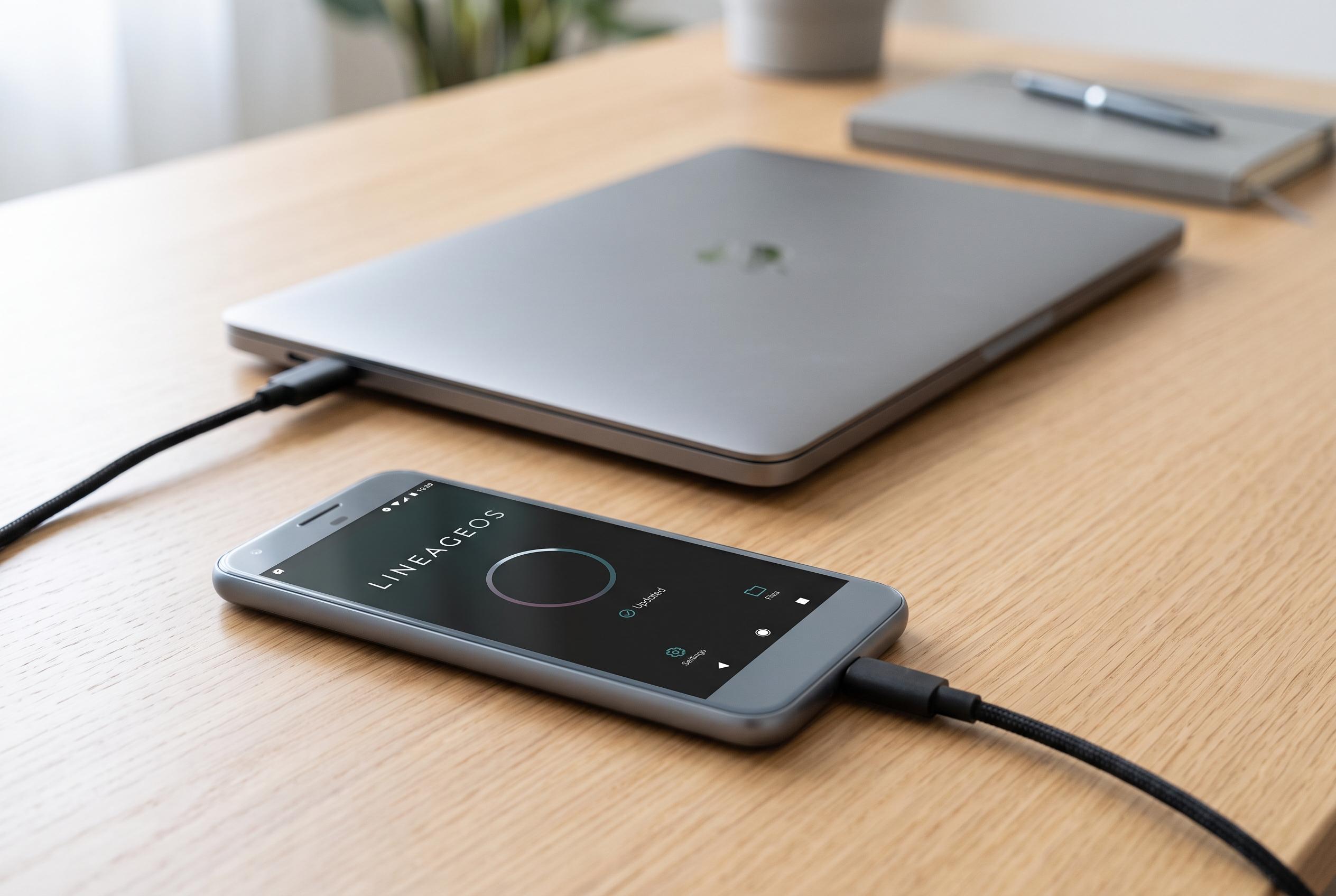

A recent experiment with a Pixel 5 shows that flashing open-source LineageOS can keep mid-range devices updated far beyond manufacturer support, challenging assumptions about hardware longevity.
An ageing Android phone does not have to be consigned to a drawer. In one recent test, a Google Pixel 5 that stopped receiving Google’s updates in October 2023 was repurposed with LineageOS, an open-source Android fork maintained by volunteers rather than the handset maker. The result was a device running Android 16-based software that is newer than anything Google ever shipped to that model. According to LineageOS documentation and the project’s public repository, the current stable branch is LineageOS 23.2, which arrived in February 2026 and is built on Android 16 QPR2 with Material 3 Expressive styling.
That broad support is part of the appeal. The LineageOS device list still reaches back to hardware such as the Pixel 4, OnePlus 7, Redmi Note 7 Pro and Galaxy S10, while newer handsets such as the Pixel 10 are not yet covered. The operating system also strips out carrier additions and most manufacturer extras, leaving a lighter base system with open-source core apps. Google services and the Play Store are not installed by default, although users can add them separately if they want them.
Installing it on a Pixel 5 is straightforward in principle but unforgiving in practice. The official LineageOS wiki says users should begin by enabling USB debugging, checking that Android platform tools are installed, and removing Google accounts to avoid factory reset protection issues. Unlocking the bootloader wipes the phone completely, so a full backup is essential before starting. The usual process involves flashing the Lineage recovery image, sideloading the operating system package, and then installing a Google apps package such as MindTheGapps during the same recovery session if those services are desired.
In everyday use, the older Pixel proved more capable than its age suggests. The Snapdragon 765G inside the Pixel 5 was never top-tier silicon, yet it reportedly handled Android 16 without obvious slowdown. Much of that comes down to what is absent: the fewer preloaded services and vendor layers there are, the less background load there is on storage, battery and memory. For a spare device used for music, maps and podcasts, that leaner software stack can matter more than raw benchmark numbers.
There are, however, real limits. One banking app refused to open because of Play Integrity checks, and streaming services such as Netflix may also be hidden on devices that fail those checks. LineageOS says it does not try to defeat Google’s integrity system, arguing that doing so could trigger broader restrictions for custom Android builds. Updates are easier than many users expect, because the project provides its own Updater app and official devices can move to newer releases without a reset. The harder question is long-term support: LineageOS only maintains its two most recent versions, and devices that fall off the official list cannot simply roll forward.
For anyone with a retired phone in a drawer, that makes the Pixel 5 a useful example. Three years after Google ended support, it can still serve as a durable secondary handset for situations where carrying an expensive main phone feels unnecessary. The larger point is less about nostalgia than hardware economics: a 2020 mid-range chip can still run a 2026 Android build with ease, which suggests that software end-of-life is often a policy decision long before it is a technical one.
Disclaimer: This content is intended for informational purposes only. Readers are advised to exercise their own judgement, conduct due diligence, or consult a qualified expert before acting on any information provided.