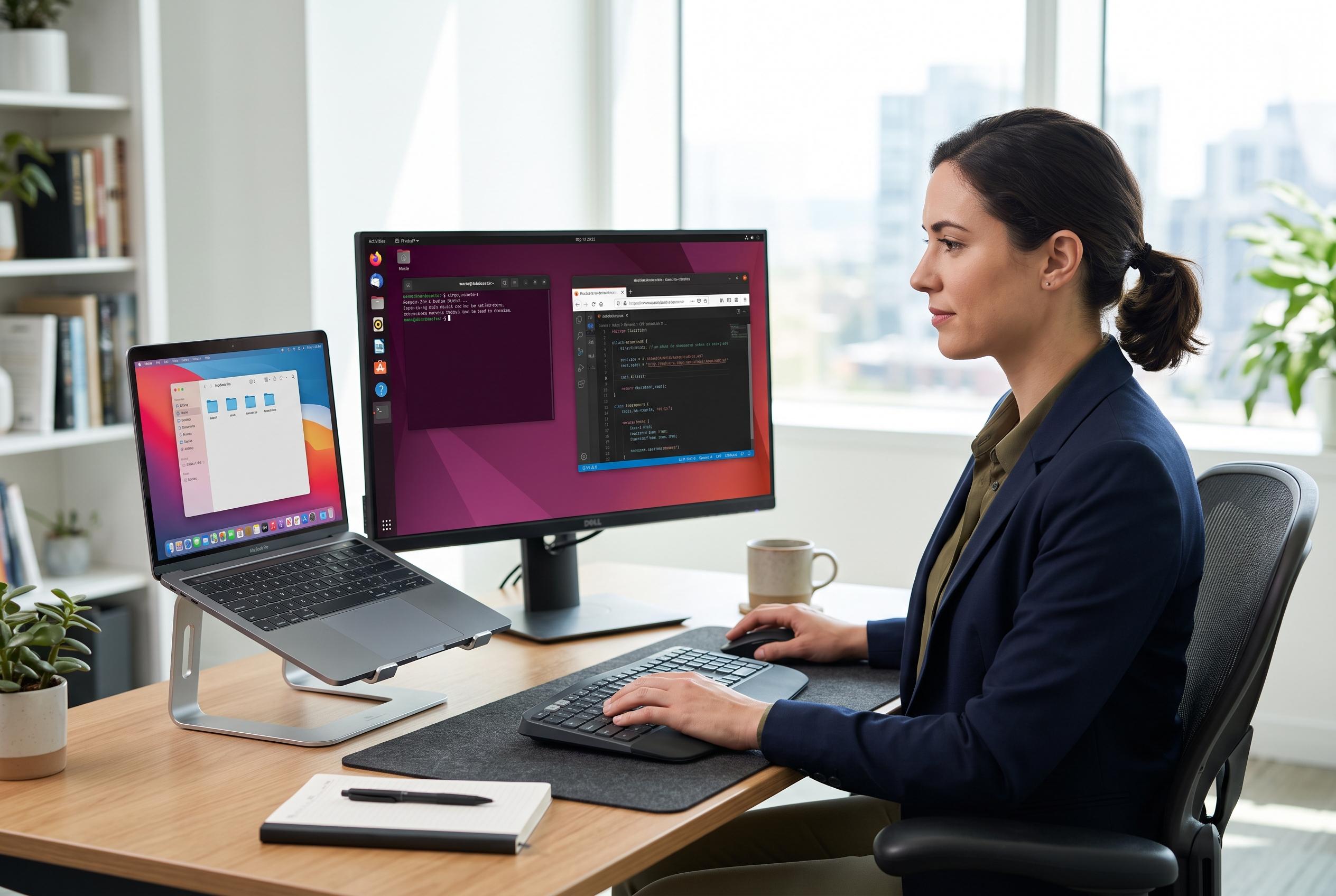

Linux’s rising popularity among home users and Apple’s strategic push into education signal a potential long-term shift away from Windows, prompting concerns over Microsoft’s future market position and loyalty erosion.
Microsoft’s grip on the desktop is still substantial, but the longer-term picture is less secure than it once was. The company’s failure to adapt quickly to smartphones already reduced Windows to a dominant PC platform rather than a universal computing layer. Now, the pressure is widening. Linux is gaining visibility on home computers and in gaming, Apple is courting students with cheaper Macs, and Google is pushing further beyond Chromebooks into higher-end laptops. The result is a real possibility that many younger users may grow up with little or no day-to-day experience of Windows.
The clearest challenge is coming from Linux, which is moving beyond the old enthusiast niche. Tom’s Hardware reported that Linux desktop market share reached 4.44% in August 2024, up from 3.12% a year earlier, with dissatisfaction with Windows, privacy concerns, higher PC prices and better gaming support all helping the shift. PCWorld later said Linux passed 5% in the US in July 2025, helped by the end of support for Windows 10 and by the popularity of Valve’s Steam Deck, which runs on Linux-based SteamOS. On Steam itself, Linux use had climbed to an all-time high of 3.20% in December 2025, although Windows 11 still remained the dominant gaming platform in later surveys, suggesting that the gains are real but uneven.
That trend matters because the next generation is forming its habits now. The article’s concern is that school laptops and home machines are no longer guaranteed to be Windows PCs. Apple’s lower-priced MacBook Air alternative is aimed squarely at students, while Google is building more capable Android-based laptops that could make ChromeOS feel less like a temporary stop-gap. If young buyers spend their formative computing years on a Mac or a Google device, they are less likely to view Windows as the default choice when they start spending their own money.
Microsoft has not stood still. It has promised to clean up some of Windows 11’s most unpopular features, including intrusive search, disruptive updates, heavy-handed AI prompts and weak performance on modest hardware. But the fixes have arrived late, and many core complaints remain: mandatory online accounts, persistent data collection and constant pressure to use Microsoft services. Zorin OS has also become a useful indicator of the mood around Windows; Windows Central reported that Zorin OS 18 surpassed 2 million downloads in three months, with most installers coming from Windows 10 and 11 users. For Microsoft, the risk is not a sudden collapse. It is a slow erosion of loyalty, and with no clear Windows 12 roadmap in sight, that erosion could become structural.
Disclaimer: This content is intended for informational purposes only. Readers are advised to exercise their own judgement, conduct due diligence, or consult a qualified expert before acting on any information provided.