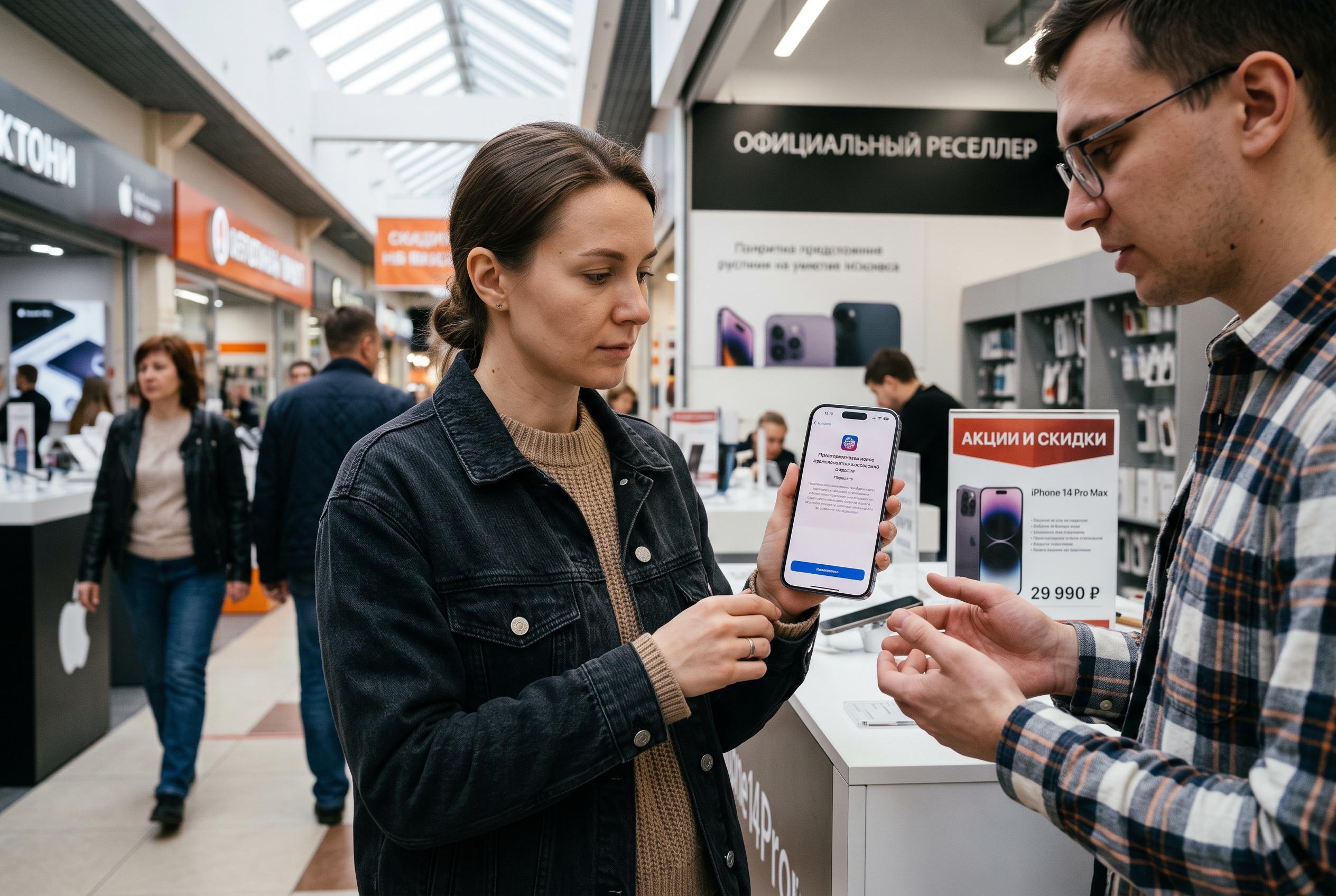

Apple’s influence in Russia is waning as new restrictions hinder usability of iPhones, forcing users to adapt to a less seamless experience amid ongoing commercial and governmental pressures.
Apple’s grip on the Russian iPhone market is loosening further, and a new wave of restrictions is changing how the handset works in daily use. A recent VCIOM survey found that 97% of smartphone owners in Russia are aware of the removal of domestic apps from foreign app stores, while 56% said such action by foreign companies was improper. The pressure appears to be felt most sharply by iPhone users: 69% said they had personally run into restrictions, compared with 37% of Android users, and 52% of iPhone owners said the device had become less convenient to use.
The survey also suggested the consequences are not limited to inconvenience. According to VCIOM, 64% of respondents had experienced broken notifications, 46% could not update apps and 42% were unable to download a needed application. Half of those polled said they did not trust Apple, while 51% said they would not consider an iPhone for their next purchase. Another 45% believed the removal of Russian apps from the App Store could push users towards Android.
Those findings come against a wider backdrop of Apple’s tightening position in Russia. Macworld reported that, from 1 April 2026, Apple stopped allowing Russian users to buy new apps, in-app content and subscriptions through its billing system. That move, reportedly linked to an order from Russia’s Ministry of Digital Affairs, meant users could still spend existing Apple Account balances but could no longer top them up, and subscriptions billed through Apple would not renew. Apple had already halted iPhone sales in Russia in 2022.
The messaging service Max has become another point of friction. The Moscow Times reported in June that Apple removed the Kremlin-backed app from the App Store and cut off push notifications for calls and messages on iPhones. TechRadar said the app still works for existing users, but Apple’s action limited one of its most important features: real-time alerts. Max, launched in spring 2025, has been promoted as a domestic alternative to WhatsApp and Telegram and is reportedly required to come pre-installed on new devices sold in Russia.
Apple’s relationship with Russian software has been difficult for years. TechCrunch reported in 2022 that the company removed VK apps from the App Store, leaving previously installed copies functioning but no longer available for download or update. MacRumors said that decision was tied to UK sanctions on Russian oligarchs and that Apple terminated the associated developer accounts. Earlier still, Apple had been complying with Russian legal requirements during device set-up, surfacing approved local apps for new iPhones in the country.
For many users, the result is a device that still excels at hardware and media work but no longer offers the effortless experience that once defined the iPhone. Banking apps, payments, domestic services and state-backed messaging tools now require workarounds, cloned app names, developer certificates or side-loading methods that most ordinary users would never need to consider on Android. That is changing the value proposition. The iPhone remains desirable, but in Russia it is increasingly a phone that has to be managed rather than simply used.
Disclaimer: This content is intended for informational purposes only. Readers are advised to exercise their own judgement, conduct due diligence, or consult a qualified expert before acting on any information provided.