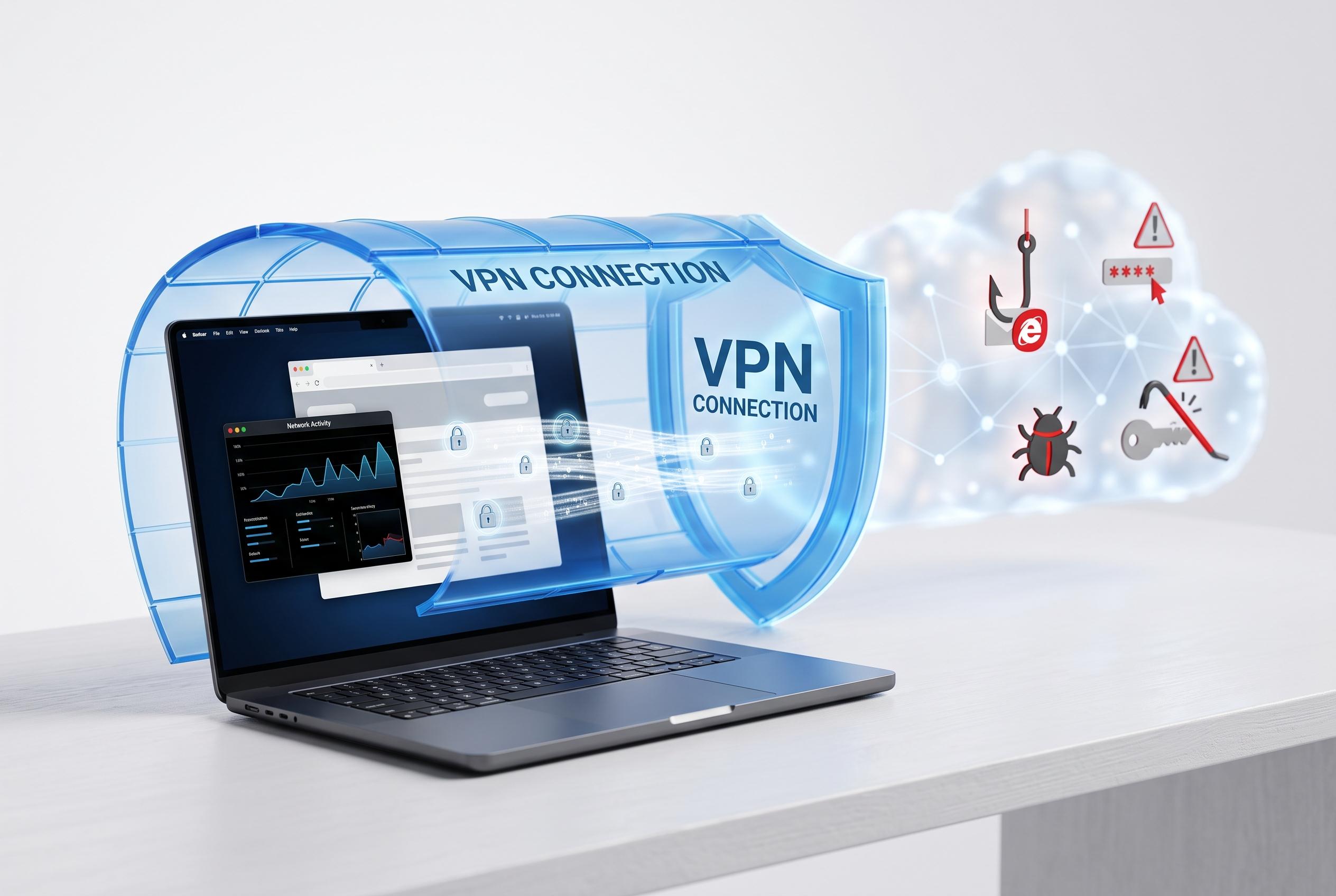

While VPNs encrypt internet traffic and enhance privacy on public networks, security experts emphasise their limited role in protecting against phishing, malware, and credential theft, urging users to adopt comprehensive security practices.
A virtual private network is often sold as a cure-all for online danger, but that is a misleading picture. According to VPNCritic and several security-focused explainers, a VPN is best understood as a single layer of protection: it encrypts internet traffic and makes it harder for outsiders to read data moving across a network, especially on public Wi-Fi. It does not make a device invulnerable, and it cannot substitute for broader security habits.
That distinction matters because many attacks do not rely on intercepting traffic at all. A VPN can make network snooping and man-in-the-middle attacks more difficult by scrambling data in transit, but it does not determine whether a website is genuine or whether a user has been tricked into handing over information. The Cybersecurity and Infrastructure Security Agency has stressed the importance of encrypted connections such as HTTPS on public networks, while the Federal Trade Commission notes that most modern websites already use encryption between the browser and the site.
The biggest blind spots are familiar ones: phishing, malware and stolen credentials. If someone clicks a fraudulent link, types a password into a fake login page or downloads malicious software, a VPN will not intervene. TechRadar, Keeper Security and other analysts say that threats at the application and device level sit outside what a VPN is designed to do. In practice, that means account compromise can still happen even when the connection itself is encrypted.
That limitation is reflected in recent breach data as well. Verizon’s 2025 Data Breach Investigations Report analysed more than 22,000 security incidents and 12,195 confirmed breaches, and found that credential abuse remained a major factor. The report’s findings reinforce a basic point: weak or reused passwords, social engineering and stolen login details continue to drive many successful intrusions, regardless of whether the victim uses a VPN.
The practical conclusion is straightforward. A VPN can be useful for people on public networks, travellers and anyone who wants to obscure their IP address and add privacy to their browsing. But it works best alongside other controls: strong unique passwords, multi-factor authentication, regular software updates, antivirus protection and caution with unsolicited links and attachments. Security specialists also advise checking a provider’s logging policy, encryption standards, audit record and ownership, because a poorly run VPN can create new risks rather than reduce them.
Disclaimer: This content is intended for informational purposes only. Readers are advised to exercise their own judgement, conduct due diligence, or consult a qualified expert before acting on any information provided.