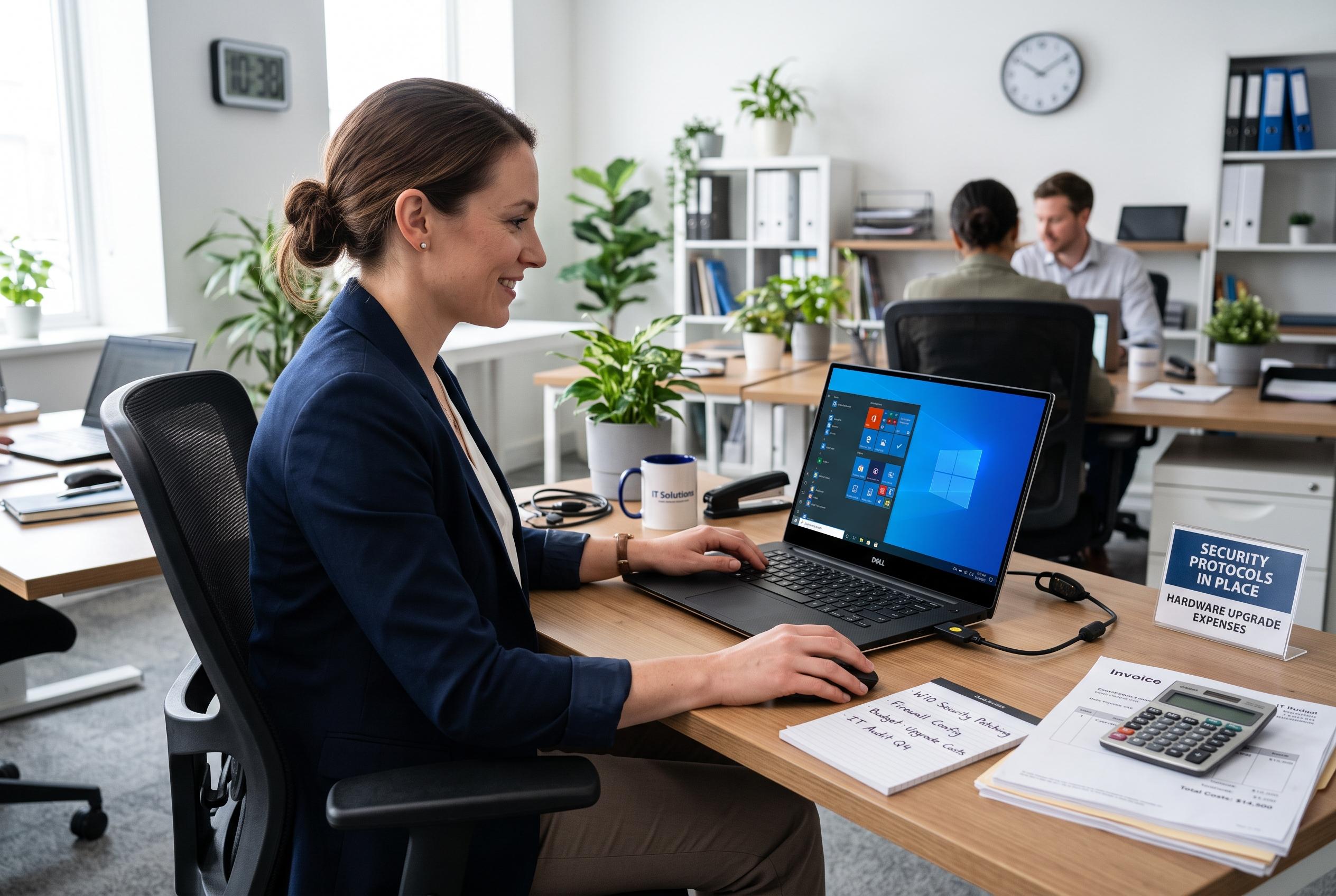

Despite Microsoft’s support ending in October 2025, a significant percentage of users worldwide remain on Windows 10 due to hardware costs, confidence issues, and security fears, prompting some to explore alternatives like Mac and Linux.
Microsoft ended support for Windows 10 on October 14, 2025, yet the older operating system still has a sizeable user base. Thanh Nien reported that about 26% of personal computers worldwide were still running Windows 10 by mid-2026, despite the fact that upgrading to Windows 11 is free. That persistence shows how slowly large software transitions can move when hardware, cost and confidence all work against change.
One reason for the lag is that many users still regard Windows 11 as unfinished or unreliable. The Vietnamese report said some people remain concerned about system bugs and about Microsoft’s AI features, which they see as insufficiently polished. Cost is another factor. Even where the software upgrade carries no charge, replacing a computer to meet Windows 11 requirements can be expensive.
Market data suggests the shift is still progressing, just not evenly. WindowsCentral reported in February 2026 that Windows 11’s share had climbed to 62.41%, while Windows 10 had fallen to 26.45%. A separate WindowsCentral report said that by mid-2026 HP still saw 30% of its installed base on Windows 10, underscoring how much resistance remains among mainstream PC users. Lansweeper data cited by Computer Weekly found that nearly 22% of devices across its sample were still on Windows 10, with small and medium-sized businesses especially reluctant to move.
Security is becoming the more serious issue. Thanh Nien said Microsoft’s Extended Security Updates programme can keep Windows 10 protected until October 12, 2027, but it also warned that security certificates issued in 2011 began expiring in mid-2026. If those certificates are not renewed, Secure Boot may lose part of its protection against malicious software. Even with Microsoft pushing updates through ESU, some older machines have already shown problems, and third-party software makers are beginning to signal that support for Windows 10 will not last indefinitely.
That uncertainty is encouraging some users to look beyond Microsoft entirely. Apple’s Mac computers remain an option, though at a higher price point. Linux is also attracting more attention. Thanh Nien said its global share has risen above 4.7%, helped by user-friendly distributions such as Zorin OS and Linux Mint, as well as lighter options like ChromeOS Flex. For many users, the choice is now less about loyalty to one brand and more about balancing security, compatibility and the real cost of replacing working hardware.
Disclaimer: This content is intended for informational purposes only. Readers are advised to exercise their own judgement, conduct due diligence, or consult a qualified expert before acting on any information provided.