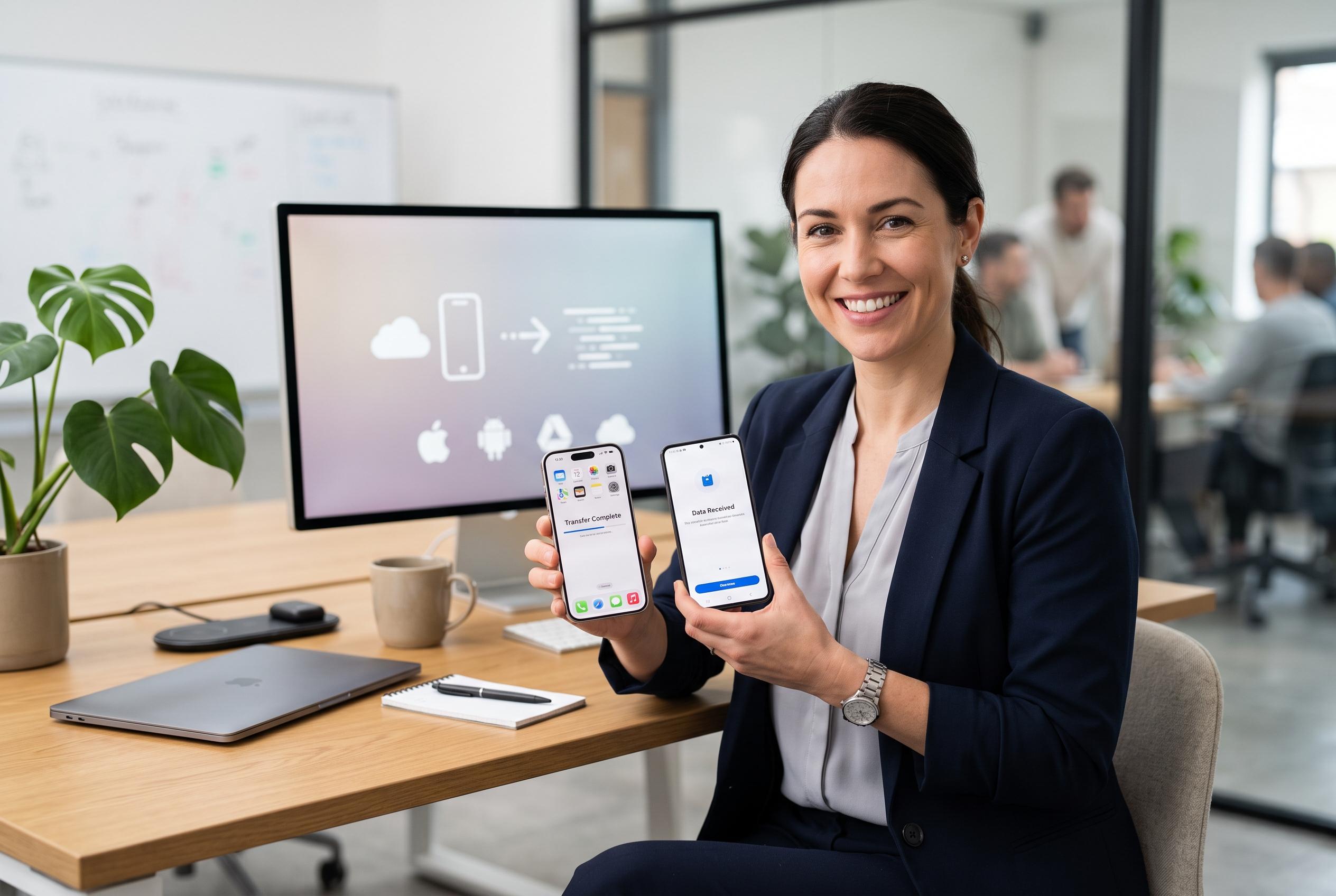

Data transfer between iPhone and Android has significantly improved, but users must now navigate the complexities of ecosystem lock-in and service differences to fully switch.
Moving from iPhone to Android is no longer the ordeal it once was. Data transfer has become much simpler, with Google’s own migration tools now able to move contacts, photos, messages, passwords and even eSIMs on some devices. Google’s switch guidance and Android Central both note that the core move is now straightforward for many users, especially those already using Google services. The harder part begins after the transfer, when former iPhone users must rebuild the small but important habits that Apple’s ecosystem used to provide.
The main remaining trap is not data loss but ecosystem lock-in. Apple Music works on Android, but AirPods lose some of their tighter integration once they leave the iPhone. The Apple Watch is more restrictive still, because it does not pair with Android at all. That means users who rely on health data, workouts or cloud sync can find themselves keeping an old iPhone nearby just to preserve those functions. iMessage is also still confined to Apple’s platform, even though RCS support has narrowed some of the messaging gap.
On storage and services, the advice is shifting too. iCloud files remain accessible through a browser, but for someone moving permanently to Android, Google One is a more natural fit, especially for backup and cross-device continuity. That reflects a broader change: the transfer itself is no longer the problem, but the long-term service stack can be. Android Central and other switching guides emphasise that users need to think beyond copying data and consider subscriptions, app availability and message history before making the break.
Apple still holds clear advantages in software consistency and long-term support. Google and Samsung now promise up to seven years of updates on some devices, but Apple’s record remains stronger in practice, while many Android phones still receive only three or four years of meaningful support. The iPhone also benefits from a more uniform hardware and software experience, which can make apps feel more polished and the overall device more predictable. Android offers greater flexibility, better file handling and wider hardware choice, but the iPhone still wins on coherence and, for many users, on the quiet reliability that comes from Apple controlling the full stack.
Disclaimer: This content is intended for informational purposes only. Readers are advised to exercise their own judgement, conduct due diligence, or consult a qualified expert before acting on any information provided.