
Eve Weather, the compact outdoor sensor, offers hyperlocal environmental data that drives automations, highlighting a shift towards more precise, privacy-focused home control, especially for Apple ecosystem users.
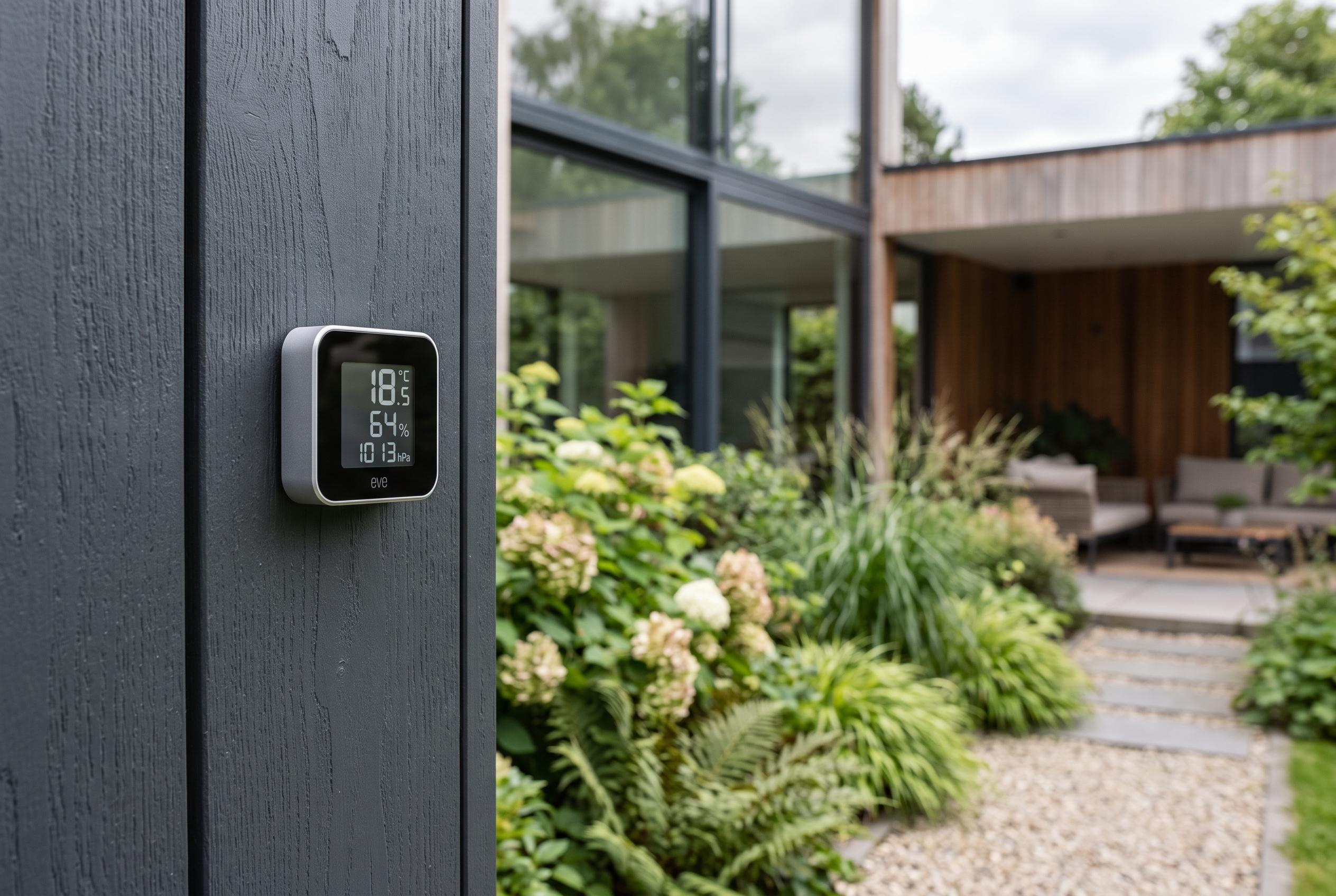
Local weather is one of the most useful inputs in a smart home, yet it is often overlooked. Eve Weather makes a strong case for changing that. The small outdoor sensor measures temperature, humidity and air pressure, giving Apple Home users a local reading that can be more relevant than a general forecast. For tasks such as protecting pipes in a cold snap or adjusting irrigation during heat, that extra precision can matter. According to 9to5Mac, the device has already become a regular part of one home automation setup because it delivers data that is immediately practical.
The appeal is not only the data, but also the way Eve has positioned the product. The company has long leaned on local control rather than cloud dependence, and Eve Weather now works through Matter as well as Apple Home. That gives it broader compatibility with Amazon Alexa, Google Home and SmartThings while still keeping the experience centred on a local network. Reviews from Smart Home Compared and MacRumors also point to the sensor’s compact, discreet design and its usefulness in Apple HomeKit and Thread-based setups, although both note that placement matters if readings are to stay accurate.
In practice, the sensor is most valuable because it can trigger actions, not just display numbers. A freezing-temperature alert can switch on a coloured light as a warning to drip taps. High humidity can start a dehumidifier. Rain can delay a sprinkler cycle. Siri can even report the current outdoor conditions without anyone stepping outside. That kind of automation is where local sensing becomes genuinely useful, especially in homes that already rely on HomePod mini, Apple TV or other Thread-capable gear to keep accessories responsive.
Eve Weather also has limitations. Independent reviews say the display can be difficult to read in bright light and that the housing is weather-resistant rather than fully sealed for harsh exposure. Battery life is decent but not exceptional, and some reviewers would prefer USB-C charging instead of replaceable cells. The sensor also does not replace a full weather station: it is built for nearby, hyperlocal conditions, not broad forecasting. Still, that narrow focus is part of its value. It is designed to give a home immediate environmental data, not a general forecast.
For Apple Home users who want outdoor data that can drive real automations, Eve Weather remains an easy recommendation. It is tidy, privacy-friendly and, thanks to Matter and Thread, more future-proof than older single-platform accessories. The trade-off is simple: it is best suited to households already invested in Apple’s smart home ecosystem, but within that environment it is one of the more useful and polished sensors available.
Disclaimer: This content is intended for informational purposes only. Readers are advised to exercise their own judgement, conduct due diligence, or consult a qualified expert before acting on any information provided.