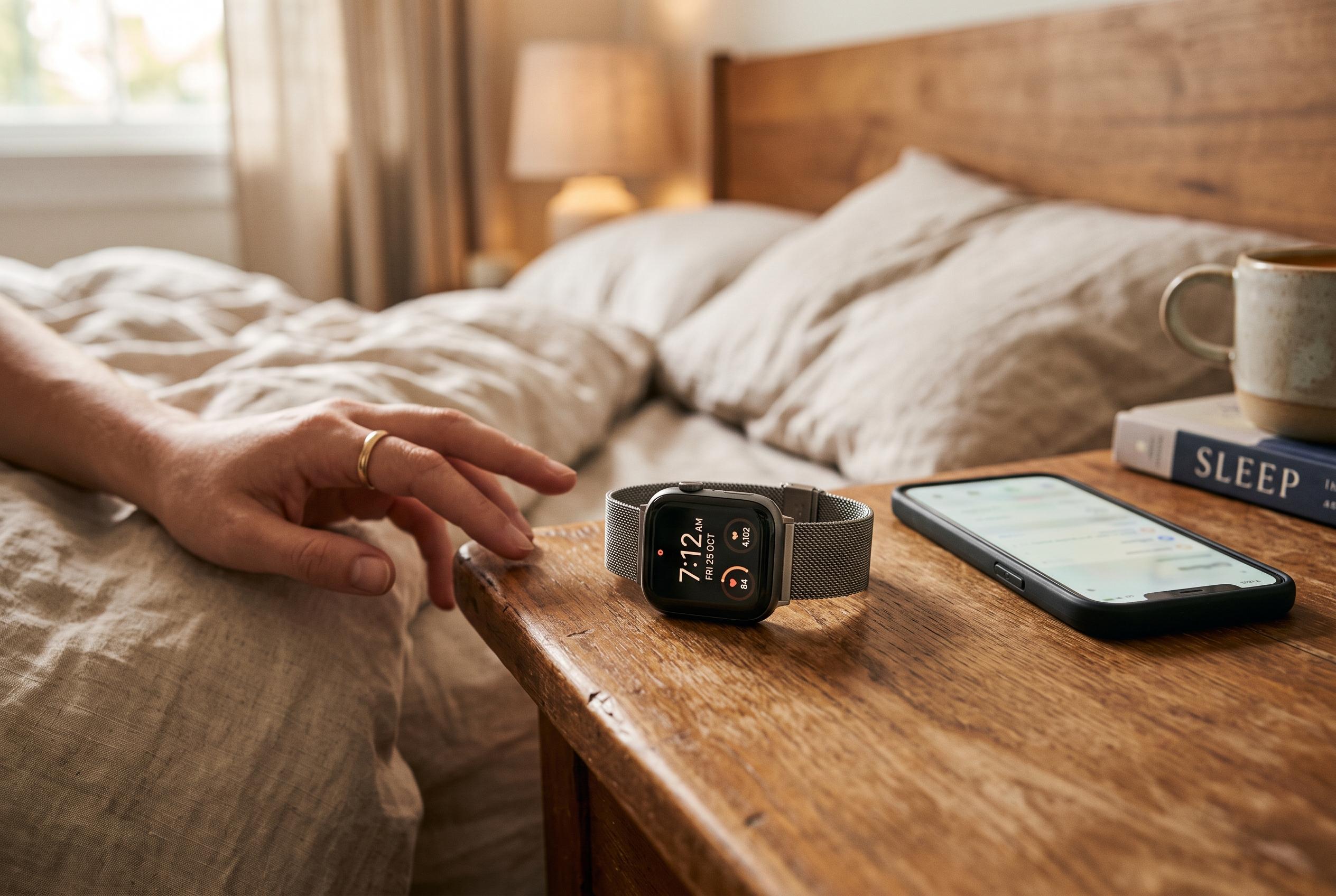

Google is adding insulin resistance, blood pressure and sleep breathing trends to Fitbit Air, while improving workout detection and introducing metal mesh bands.
Google is broadening the appeal of its Fitbit Air with a set of health and styling additions that move the device further beyond a standard fitness tracker. The company is also using the update to deepen the Fitbit Air’s links with its Google Health app, where a new Health Guardian layer is designed to surface longer-term patterns in heart, breathing and metabolic indicators. Google says the service works continuously in the background and provides monthly summaries alongside alerts when readings need attention.
Health Guardian combines several features that are meant to track trends rather than diagnose illness. According to Google’s help documentation, the free version includes irregular heart rhythm alerts, as well as high and low heart-rate notifications, while Pixel Watch 3 owners and later devices also get loss-of-pulse alerts. The premium tier, which Google prices at $10 a month or $100 a year, adds insulin resistance trends, blood pressure trends and sleep breathing quality trends, with support for the Pixel Watch 3 and newer models as well as the Fitbit Air. Google says these tools are intended to help users monitor changes over time, not to replace medical tests or clinical care.
The most notable addition is insulin resistance tracking, which Google says estimates metabolic changes from signals such as heart rhythm, sleep quality and daily activity rather than from a glucose monitor or laboratory test. That distinction matters: the feature is framed as a trend indicator, not as a diabetes screen or a tool for glucose management. Blood pressure trends work in a similar way, using optical and motion sensors, pulse-shape analysis and Google’s WavesFM model to estimate monthly patterns. Google also cautions that this is not a substitute for a cuff-based monitor and says it is not intended for pregnancy-related use.
Sleep breathing quality extends the same trend-based approach to overnight respiration for users aged 18 and over. Google says it uses blood oxygen, heart-rate and motion data to show how much of the night was spent in optimal breathing and to compile a monthly assessment. The company is also promising that Health Guardian will come to the new Fitbit Edge, although it has not given a launch date. For Fitbit Air owners, the move strengthens a device that Google is positioning as a lightweight, always-on health companion rather than merely an activity counter.
Beyond health monitoring, Google is improving the Fitbit Air’s workout recognition. The company says automatic exercise detection is now twice as accurate and misses 50% fewer sessions than before, helped by a language-model-based system that takes movement patterns, routine data, logs and location into account. That should make the device better at identifying activities that are easy for wearables to miss, including tennis, trail running and high-intensity interval training. It is also a direct response to earlier criticism that low-impact workouts such as Pilates were not reliably detected.
Google is also changing the look of the device. The Fitbit Air previously shipped with recycled polyester and elastane yarn bands or polyurethane options, but it can now be paired with metal mesh bands in silver or gold. That gives the tracker a more jewellery-like appearance and makes it easier to wear in professional or formal settings. The design update, along with the new health features, suggests Google is trying to push the Fitbit Air into a broader role: part wellness monitor, part discreet everyday accessory.
Disclaimer: This content is intended for informational purposes only. Readers are advised to exercise their own judgement, conduct due diligence, or consult a qualified expert before acting on any information provided.