
Smart plugs are emerging as an affordable and convenient solution to combat the rising issue of phantom power, helping households reduce unnecessary energy waste and cut costs.
Many homes are leaking electricity through devices that appear to be off. This hidden drain, often called phantom or vampire power, comes from electronics left in standby or plugged in without being used. According to Tucson Electric Power, the issue affects a wide range of household equipment, from televisions and chargers to appliances with clocks and timers. Research cited by EnergyBillLab suggests the total cost can reach tens of dollars a year for an average household, and in some cases much more. Smart plugs offer a simple way to tackle that waste without rewiring a home or replacing existing sockets.
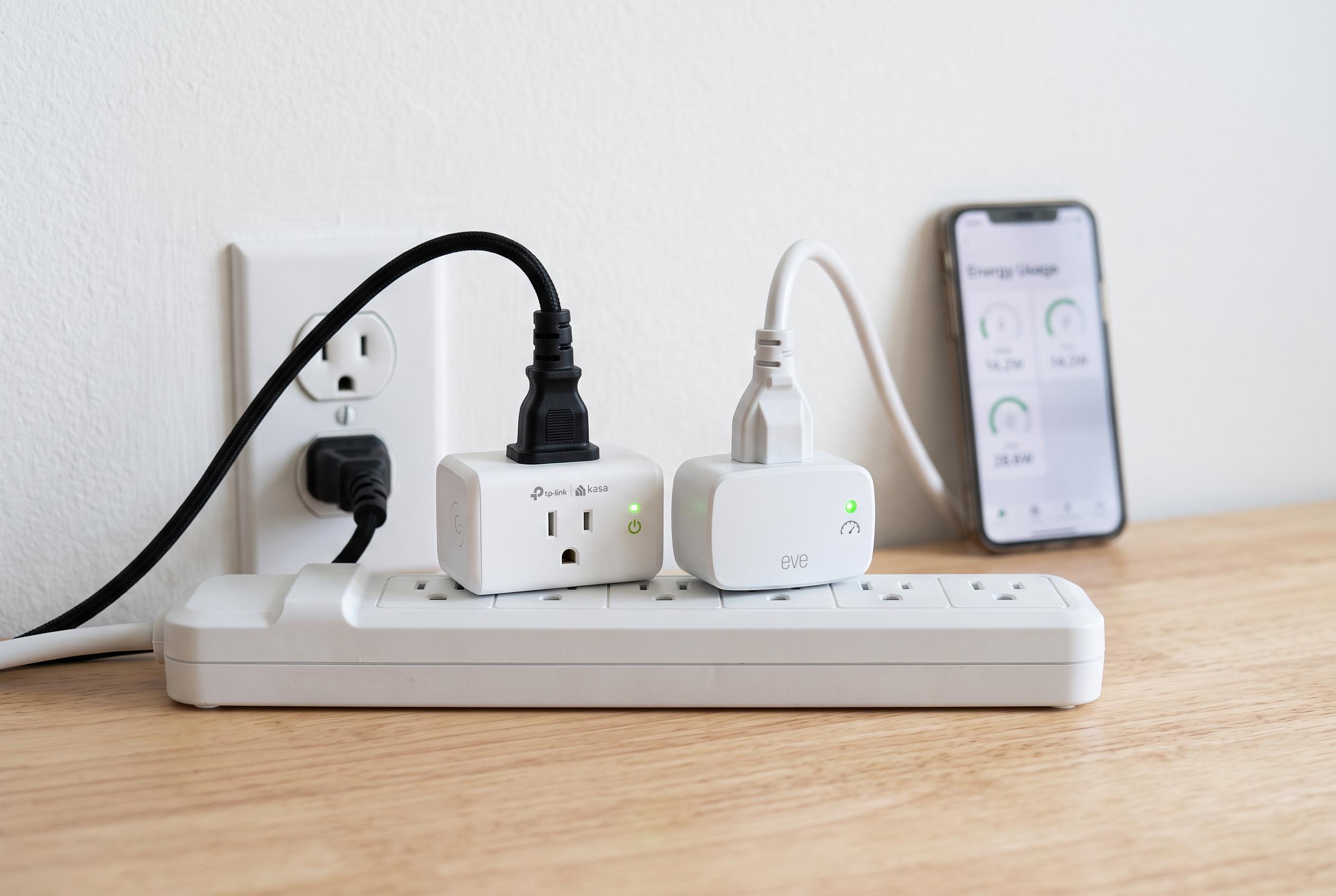
A smart plug sits between the wall outlet and the appliance. Once connected to Wi-Fi, it can be controlled through a phone app, allowing the user to switch devices on or off remotely, set schedules and, on some models, monitor energy use. That makes them different from ordinary timers because they can be managed from anywhere and adjusted to match daily routines. The idea is straightforward: stop power flow when a device is not needed and restore it only when it is.
The biggest savings usually come from small but persistent loads. EnergyBillLab says a typical U.S. household can have 20 to 40 devices drawing power continuously, while Mental Floss reports that standby use can account for 5% to 10% of home electricity consumption. Tucson Electric Power advises households to look for the hidden draws first, then decide which devices are worth disconnecting. Smart plugs are especially useful for televisions, game consoles, coffee makers, lamps, space heaters and chargers, all of which can waste power simply by remaining connected.
Monitoring features add another layer of value. According to Linea, a plug that tracks consumption can show which devices are expensive to leave connected, turning vague suspicion into measurable data. That matters because behaviour still drives the savings: if a device is left switched on or a schedule is set badly, the benefit falls away. Smart plugs work best when used consistently, paired with routines that shut equipment down at predictable times.
For many households, the appeal is less about technology than convenience. Smart plugs are usually inexpensive, easy to set up and well suited to a gradual approach, starting with one or two of the worst offenders. They will not solve every efficiency problem, but they can trim waste, reduce the chance of forgotten devices running overnight and offer a clearer view of where electricity is going. In a home full of always-connected electronics, that can make them one of the simplest tools for cutting avoidable power use.
Disclaimer: This content is intended for informational purposes only. Readers are advised to exercise their own judgement, conduct due diligence, or consult a qualified expert before acting on any information provided.