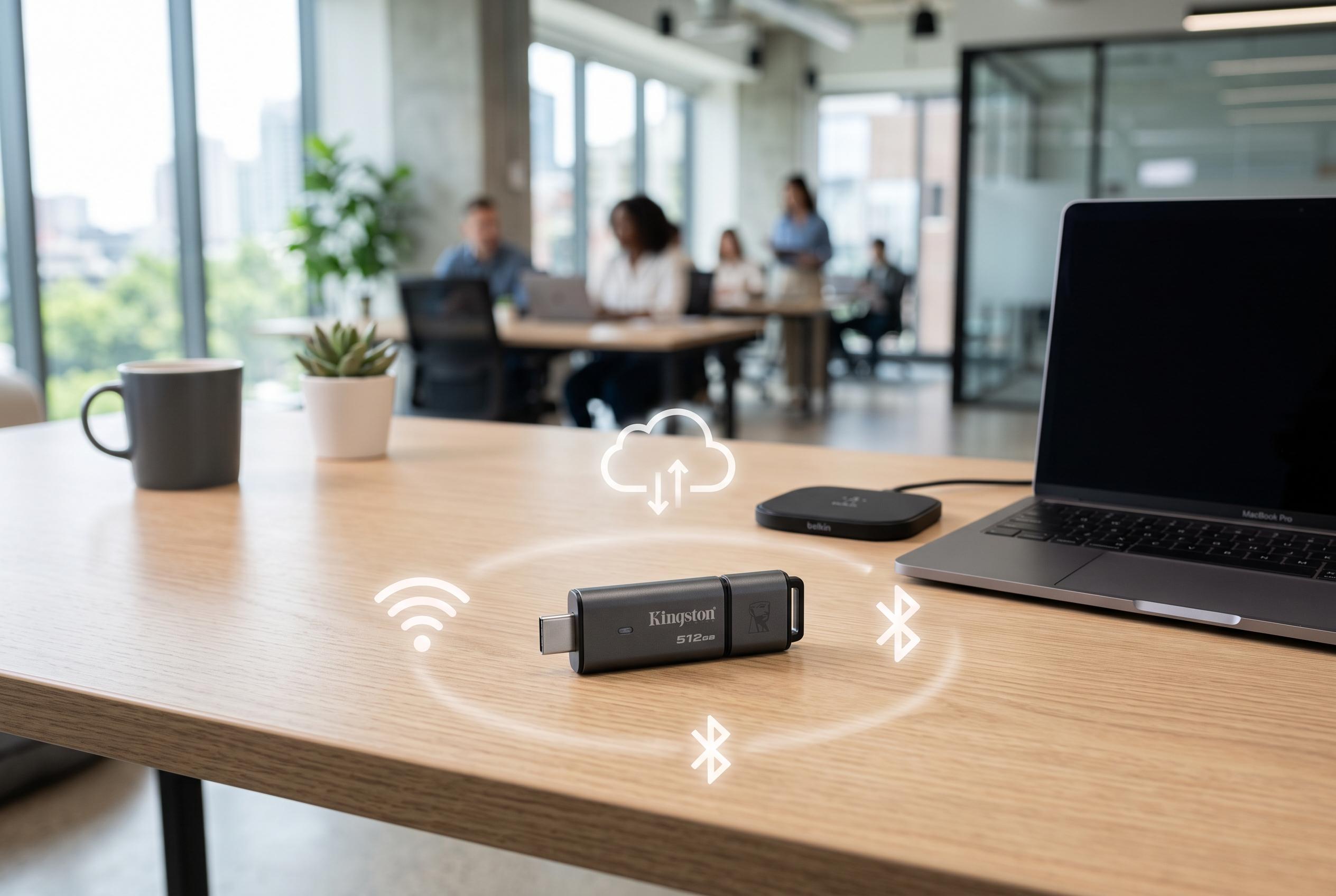

Despite predictions of obsolescence, USB flash drives remain relevant in 2026 due to their simplicity, security, and niche applications, as market dynamics have shifted in favour of cloud and wireless solutions.
USB flash drives are not finished, despite years of predictions to the contrary. As Slashgear argues, the market has changed around them: cloud storage, wireless transfer tools and portable SSDs now handle many everyday tasks, but flash drives still solve problems that those alternatives do not always cover. They remain compact, offline and easy to hand over, which keeps them useful for quick file transfers and for situations where network access is unreliable or unwanted.
That practicality is still visible in 2026 product guides. Tom’s Hardware, TechRadar and Tom’s Guide all published round-ups this year that treat USB flash drives as an active category rather than a legacy one, with reviews spanning budget models, high-speed options and USB-C designs. Their coverage shows that the category has evolved, with faster controllers, larger capacities and more varied connector types than the basic drives that many people remember from a decade ago.
The case for keeping flash drives, however, is not only about hardware. EveryUSB says they remain useful for secure file delivery, branded giveaways and other business uses where a small, physical medium is an advantage. That makes sense in regulated or operational settings, where a drive can be easier to control than a cloud link and less dependent on software compatibility than wireless sharing tools such as AirDrop or Quick Share.
There are limits. Slashgear notes that very old USB 1.x and USB 2.0 drives are poor choices today, and PCWorld reported in April that flash drives and SD cards have become more expensive over the past year because of broader memory and storage production pressures. Even so, the conclusion is clear: USB flash drives are no longer the default choice, but they are far from obsolete. For many readers, the right question in 2026 is not whether to abandon them, but which modern drive is worth keeping in a bag or desk drawer.
Disclaimer: This content is intended for informational purposes only. Readers are advised to exercise their own judgement, conduct due diligence, or consult a qualified expert before acting on any information provided.