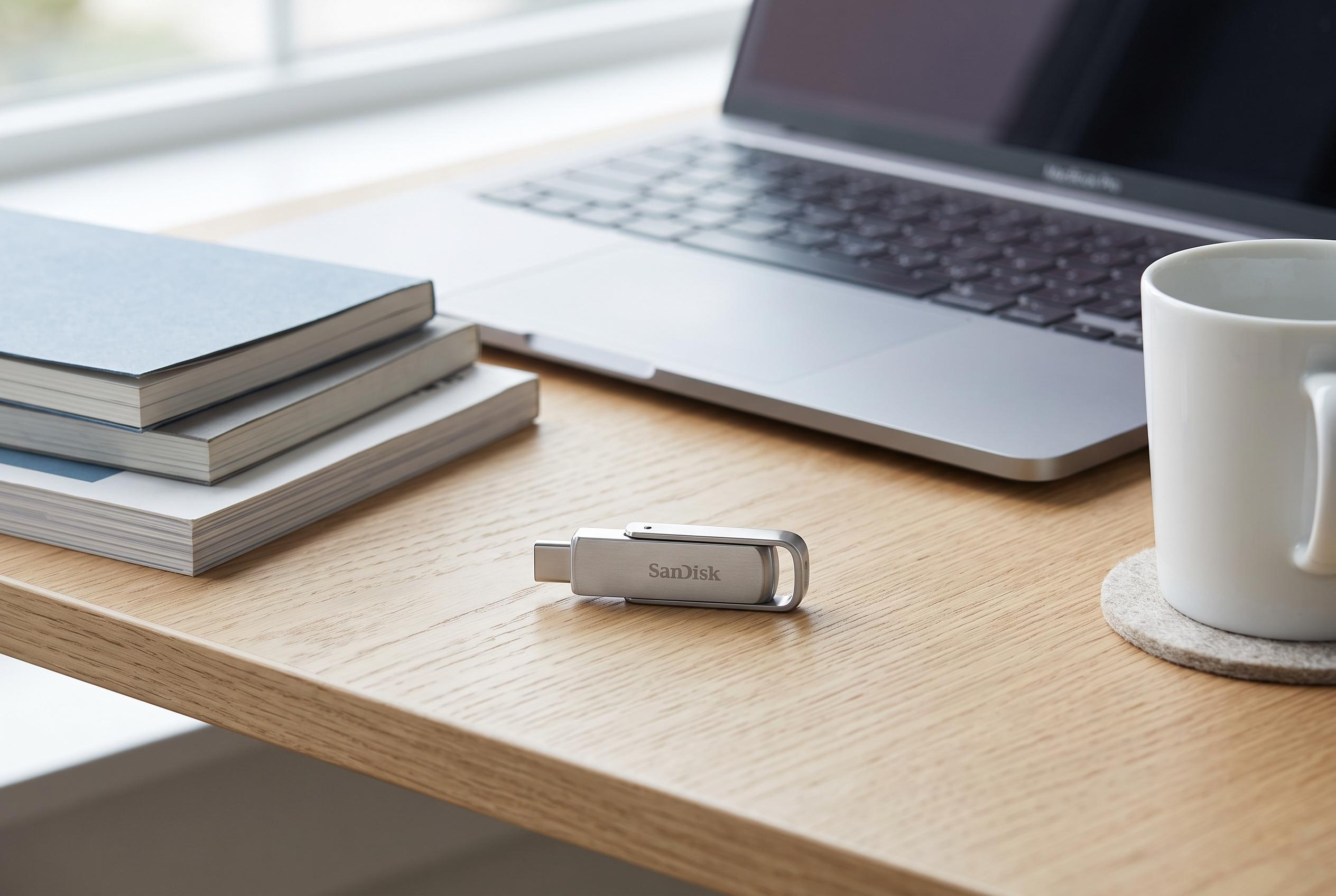

As SSD prices soar due to artificial intelligence component demand, consumers are turning back to budget-friendly USB flash drives for essential storage, prompting a notable market shift in 2026.
USB flash drives, once dismissed as a relic of an earlier computing era, are regaining attention in 2026 as rising storage prices push consumers back towards cheaper, simpler hardware. According to TuGATECH, the renewed interest is being driven by a sharp increase in the cost of SSDs, a market pressure linked to the surge in demand for components used in artificial intelligence data centres.
The effect is visible in retail pricing. TuGATECH cited a Samsung 990 Pro 4TB drive that had been selling for about €275.01 in November 2025 and was later listed at roughly €951.28 on Amazon. Tom’s Hardware reported similar strain across the NAND flash market, saying AI-related demand has tightened supply and pushed manufacturers to prioritise higher-margin products for enterprise customers. Gartner, in a February 2026 statement, forecast that combined DRAM and SSD prices would rise 130% by the end of 2026, with knock-on effects for PC and smartphone shipments.
That has made the humble USB stick attractive again for basic storage tasks. TuGATECH noted that many brands still cap consumer models at 128GB, but prices remain far lower than for high-capacity SSDs. The article pointed to a five-pack of PNY 64GB USB 3.0 drives costing about €37.19, a reminder that cost per gigabyte still favours simple flash storage when performance is not the main concern.
The broader market picture supports that shift. Tom’s Hardware said flash drives and memory cards have recorded median price increases of 124.5%, with some products rising as much as 261%. PCWorld also reported sharp increases across USB, SD and MicroSD formats, including a Samsung 512GB MicroSD card that climbed from under $50 to $120 over the past year. In parallel, the Museum of Obsolete Media continues to class USB flash drives as low-risk from an obsolescence standpoint, reflecting their continued usefulness despite newer alternatives.
For many users, that practical value still matters. USB drives remain a straightforward way to create bootable installers for Linux or Windows 11, carry portable operating systems, store repair tools or keep emergency files on a keyring. In a market where even modest SSDs are becoming expensive, the oldest removable storage format in common use may once again be the most sensible one.
Disclaimer: This content is intended for informational purposes only. Readers are advised to exercise their own judgement, conduct due diligence, or consult a qualified expert before acting on any information provided.