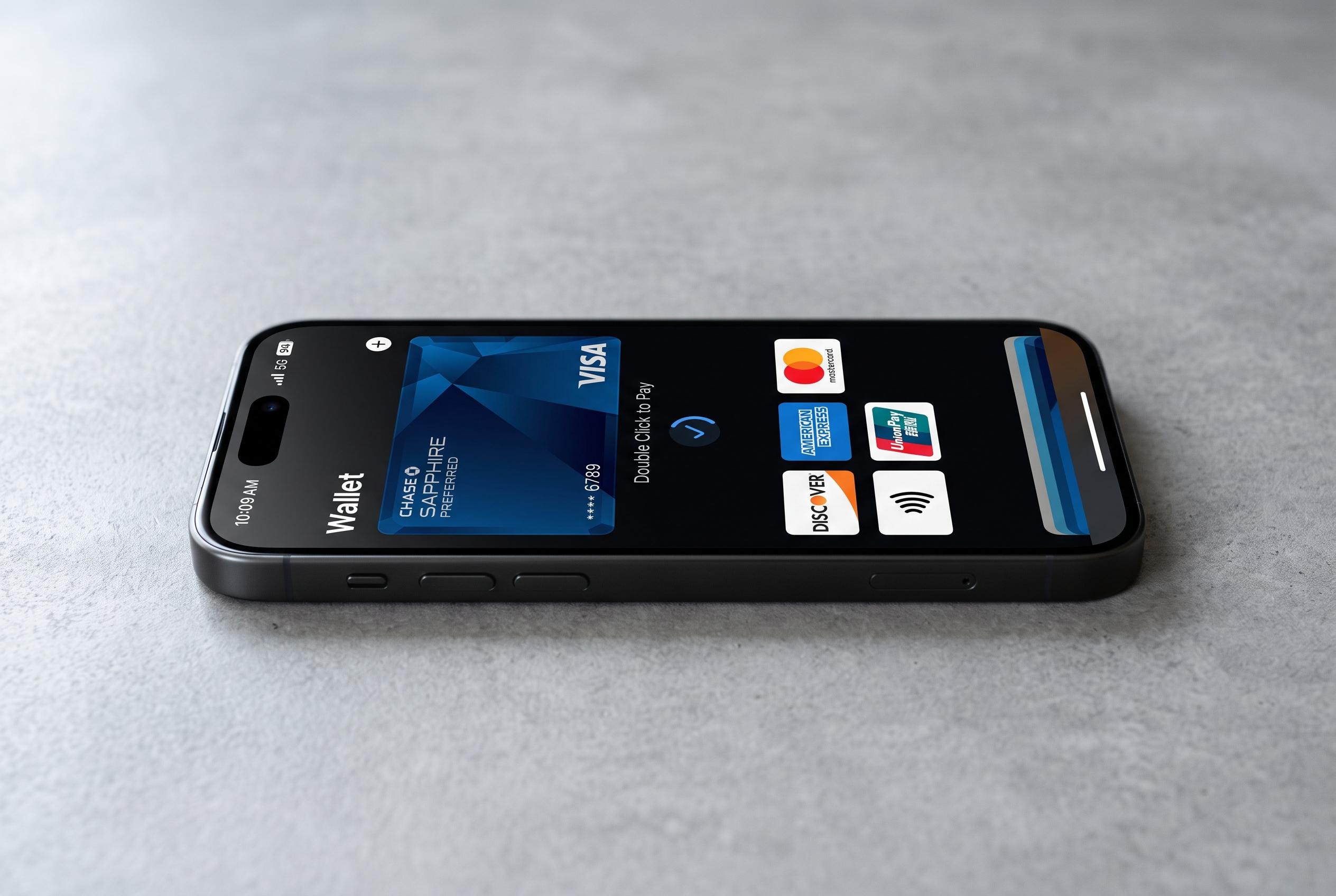

Apple is set to introduce Apple Pay to India through a phased roll-out, initially supporting international card networks, as negotiations over interchange fees and local regulatory approval continue to shape its entry into the country’s digital payments market.
Apple is preparing to bring Apple Pay to India in a phased roll-out that would begin with credit cards on global networks such as Visa and Mastercard, according to Business Standard. The service is expected to mirror the company’s existing model in other major markets, allowing users to store cards in Apple Wallet and pay at point-of-sale terminals with a tap of an iPhone or other compatible device using near-field communication, or NFC.
The first version will not support Unified Payments Interface transactions, which remain central to India’s digital payments market. For that to happen, Apple would need approval from the National Payments Corporation of India and a local sponsor bank to route transactions. That regulatory and banking hurdle helps explain why Apple Pay has taken longer to arrive in India than in markets where the company can rely more directly on established card networks.
Business Standard reported that Apple has spent months discussing economics with the country’s biggest card issuers. The dispute centres on interchange, the fee paid by the merchant’s bank to the card issuer, rather than anything charged directly to the customer or shop. Sources said Apple had been seeking 15 to 20 basis points from each credit card transaction, while some large banks were pushing for 10 basis points. One basis point equals 0.01%.
The timing has also shifted in recent reporting. Business Standard said Apple had been working towards a launch by late September or October, while other Indian publications had previously pointed to a broader window in 2026. That reflects the same underlying challenge: Apple must settle commercial terms with banks while also fitting its closed NFC and tokenisation model into a payments system shaped by local rules and a strong preference for bank-account-linked UPI.
For Indian card issuers and payment companies, Apple Pay could still matter even if it debuts without UPI. Pine Labs chief executive Amrish Rau has said he expects the service to arrive before the end of the year and argued that it could help pull more transactions back towards credit cards, which have been growing at a double-digit pace. Apple already operates in more than 90 markets worldwide and has been posting double-digit growth in India alongside Latin America and South East Asia, giving it a stronger incentive to deepen its payments presence there.
Disclaimer: This content is intended for informational purposes only. Readers are advised to exercise their own judgement, conduct due diligence, or consult a qualified expert before acting on any information provided.