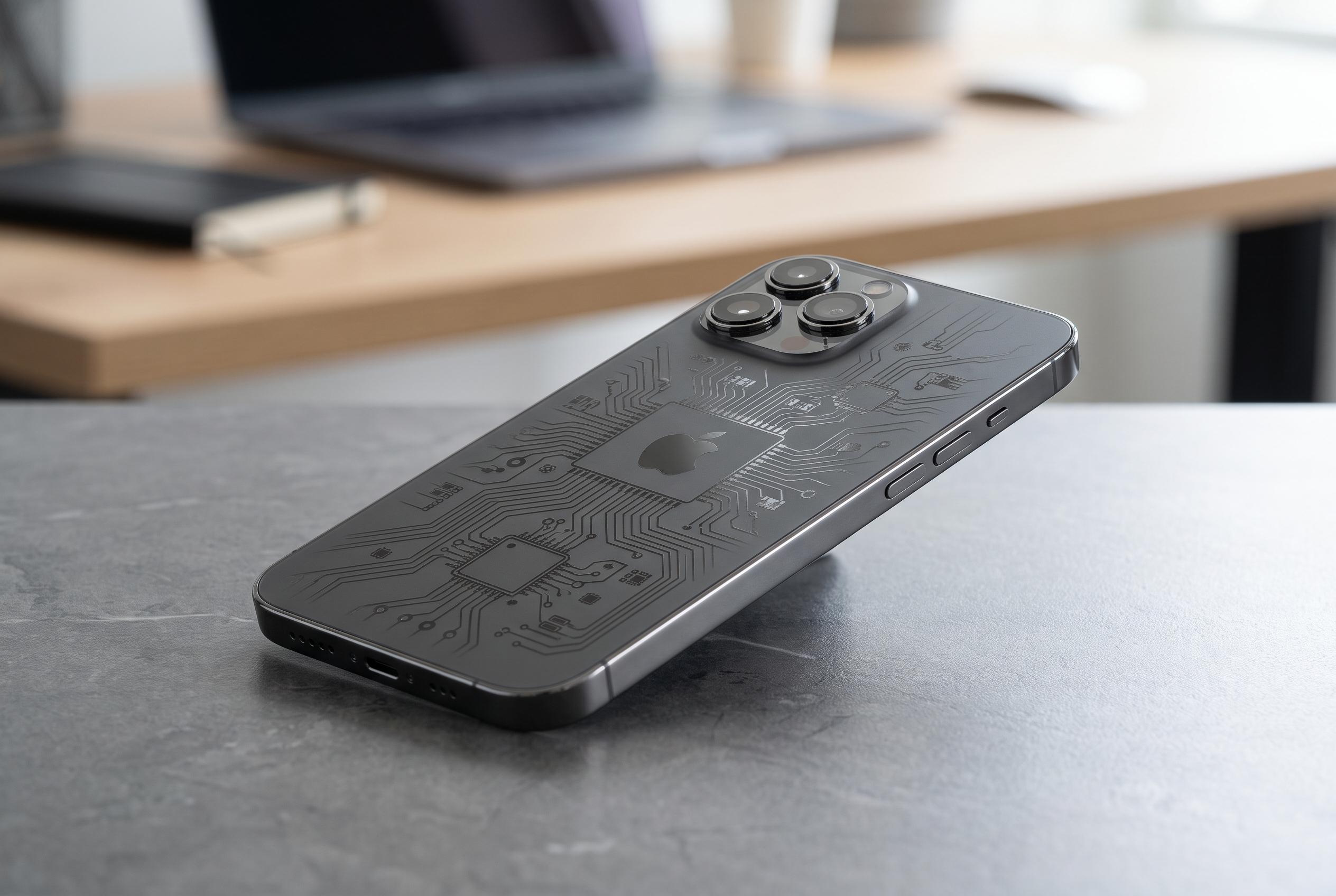

Apple is reportedly evaluating Chinese DRAM supplier ChangXin Memory Technologies as industry demand for AI-enabled devices intensifies, raising concerns over geopolitical implications and supply security.
Apple is reportedly testing memory chips from ChangXin Memory Technologies, the Chinese DRAM maker that has become one of the most closely watched names in the global shortage triggered by AI demand. According to the Financial Times, the company has begun qualifying CXMT parts, a technical validation step that typically comes before a supplier is approved for production use, although no commercial deal has been announced. The move comes as Apple tries to secure enough RAM for devices increasingly expected to support on-device AI features, even as supply tightens across the industry.
The pressure is not unique to Apple. Tom’s Hardware reported that HP, Asus and Acer have already started using small amounts of CXMT DRAM in some notebooks sold outside the US, reflecting a broader scramble for supply rather than a simple search for cheaper components. The same report said the shortage has been driven by AI data-centre demand, with memory prices rising sharply and traditional suppliers such as Micron, Samsung and SK hynix focused heavily on high-bandwidth memory for servers.
CXMT has grown quickly enough to become a serious alternative, but it remains politically sensitive. MacRumors, citing the Financial Times, said Apple is still lobbying Washington for approval to use the supplier more broadly, while lawmakers have already raised concerns about CXMT’s state backing and its links to China’s military. The company has also expanded its technical capabilities, with Tom’s Hardware reporting that it has demonstrated DDR5-8800 speeds and is pushing to close the gap with leading Korean suppliers.
That leaves Apple with a familiar but awkward trade-off: access to more supply on one side, and regulatory as well as security risk on the other. The company has not confirmed any final decision, and the reported testing does not mean CXMT chips will appear in mainstream Apple products. Still, the discussions show how far the memory crunch has spread, and how even the largest technology firms are being forced to weigh industrial policy, geopolitics and product reliability at the same time.
Disclaimer: This content is intended for informational purposes only. Readers are advised to exercise their own judgement, conduct due diligence, or consult a qualified expert before acting on any information provided.