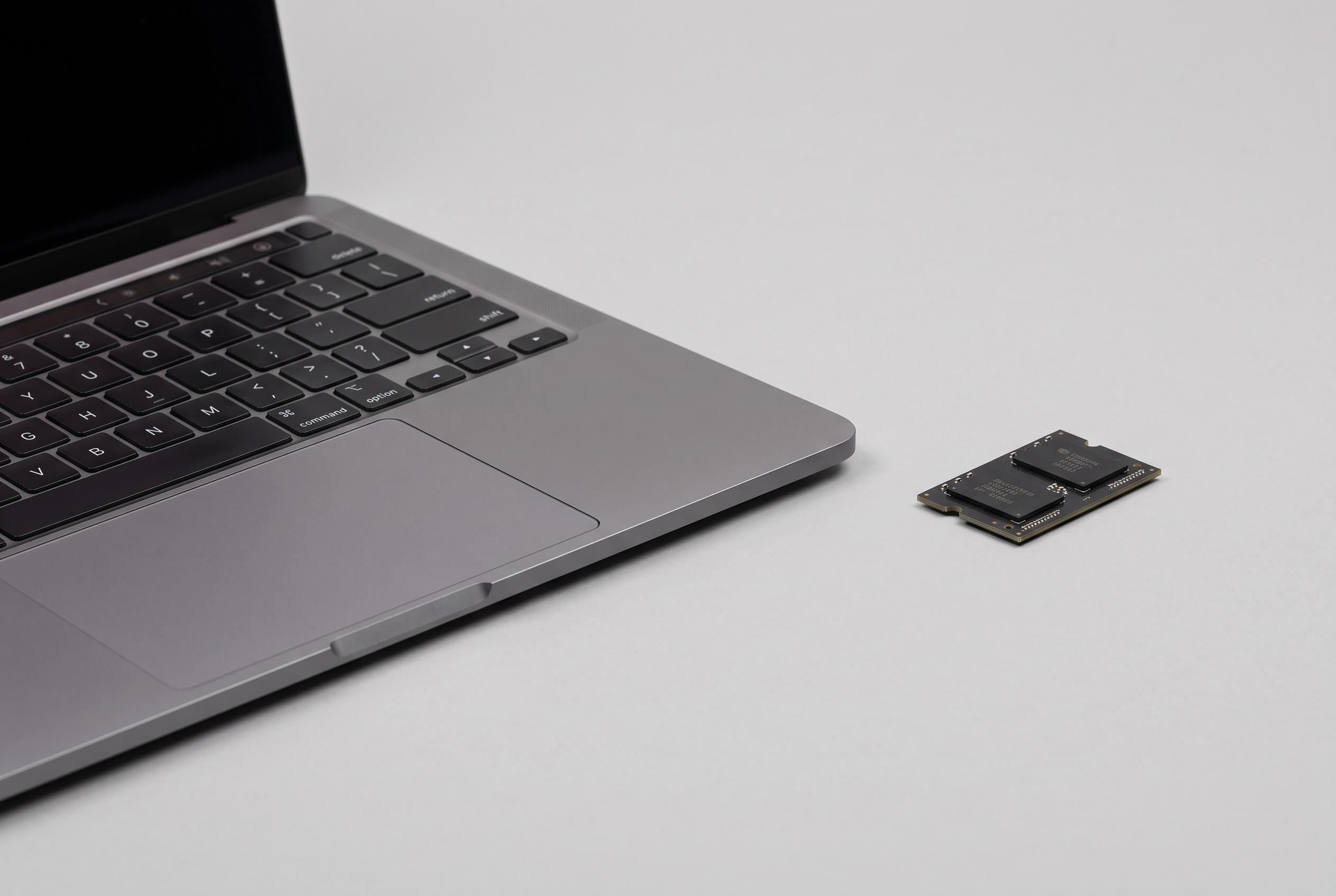

Apple is reportedly testing memory chips from China’s CXMT as part of a strategic move to secure supply amid a global RAM shortage driven by AI infrastructure expansion, with potential implications for future negotiations and industry supply chains.
Apple has begun testing memory chips from ChangXin Memory Technologies, or CXMT, as it looks for new supply options amid a sharp squeeze in the global RAM market, according to reporting by The Wall Street Journal cited in related coverage. The talks are understood to focus on devices sold in China, with the company said to be examining whether the Chinese supplier can meet the standards needed for use in both iPhone and Mac products.
The move reflects a broader shortage that has been driven by the rapid expansion of AI infrastructure. Demand for high-bandwidth memory used in data centres has tightened supply across the wider DRAM market, pushing up prices for the chips that also go into phones and personal computers. Industry reports in July said standard DRAM contract prices had risen sharply in early 2026, leaving manufacturers with fewer low-cost options and forcing some to raise device prices.
CXMT has emerged as China’s most important DRAM maker and is now seen as a significant alternative source of memory, although it still trails Samsung, SK Hynix and Micron in scale and technology. MacRumors reported that Apple’s testing could give it leverage in future negotiations with those established suppliers while also creating a qualified backup source if shortages worsen. The publication said CXMT accounted for about 11% of global DRAM wafer capacity last year, with that share expected to rise as new production lines come online.
Apple is not alone in turning to Chinese memory makers. MacRumors said PC brands including HP and Acer have already used CXMT chips in some models sold outside the United States, a sign that supply pressure is changing purchasing decisions across the industry. For Apple, the issue is more sensitive because of the political tensions surrounding semiconductors, the company’s exposure to the Chinese market and Washington’s tighter scrutiny of Chinese chipmakers. Still, the testing suggests Apple is preparing for a market in which memory costs remain elevated and dependable supply matters as much as performance.
Disclaimer: This content is intended for informational purposes only. Readers are advised to exercise their own judgement, conduct due diligence, or consult a qualified expert before acting on any information provided.