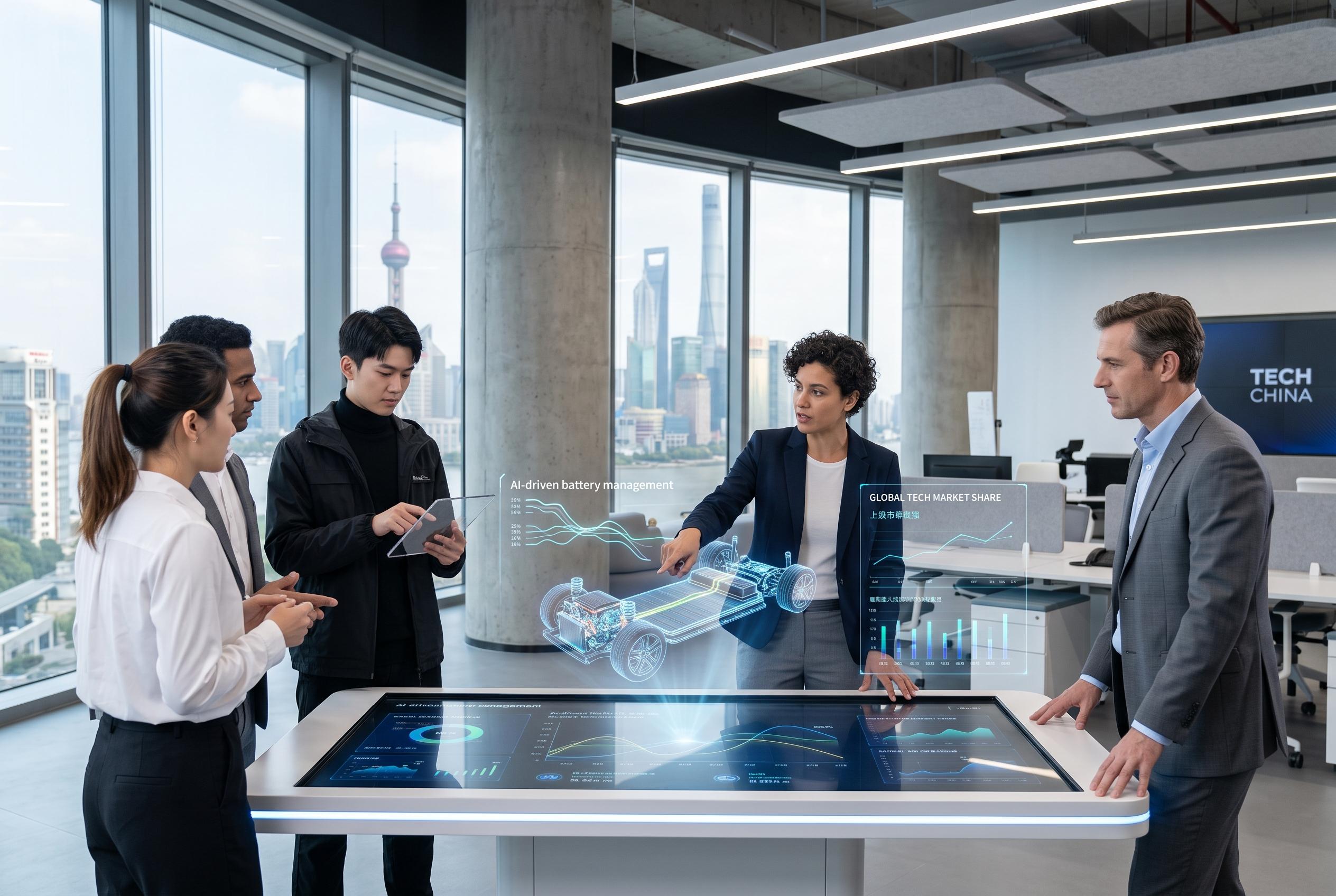

China’s tech sector has transformed over a decade from manufacturing hub to a powerhouse of consumer platforms, AI and electric vehicles, challenging Western dominance despite ongoing hurdles in semiconductor self-sufficiency.
China’s technology sector has moved from imitation to competition in less than a generation, with companies such as DeepSeek, TikTok, CapCut, Shein, Temu, BYD, DJI and Huawei now shaping markets far beyond the mainland. What was once described largely as an export base for cheap manufacturing is increasingly a source of consumer apps, electric vehicles, drones and artificial intelligence tools that rival products from the United States and Europe.
According to the BBC, that shift is closely tied to the Made in China 2025 strategy, a state-backed industrial plan launched a decade ago to move China up the value chain and strengthen domestic capability in advanced industries. The goal was to reduce reliance on foreign technology and build national champions in areas including semiconductors, robotics, aerospace and other high-tech sectors. Analysts cited by the BBC and the South China Morning Post say the approach has largely delivered on its central ambition: China is no longer only the world’s factory, but also one of its most important innovation centres.
That success has not been uniform. Reuters has reported that China still trails the world’s leading chipmakers in advanced semiconductor technology, despite heavy investment and years of effort to improve self-sufficiency. The gap matters because chips remain a foundation of modern computing, artificial intelligence and telecommunications. Even so, the same report noted that Chinese companies and policymakers have continued to pour money into research, manufacturing capacity and supply-chain resilience in an attempt to narrow the dependency on foreign suppliers.
The result has been a broader geopolitical response. The Financial Times has linked China’s industrial advance to sharper trade tensions, as the United States and its allies have tried to slow access to critical technologies through export controls and other restrictions. Yet, as the BBC programme suggests, the country’s progress in consumer platforms, hardware and AI indicates that external pressure has not halted its rise. For global competitors, the challenge is no longer whether China can build technology at scale, but how much of the next wave of innovation it may help define.
Disclaimer: This content is intended for informational purposes only. Readers are advised to exercise their own judgement, conduct due diligence, or consult a qualified expert before acting on any information provided.