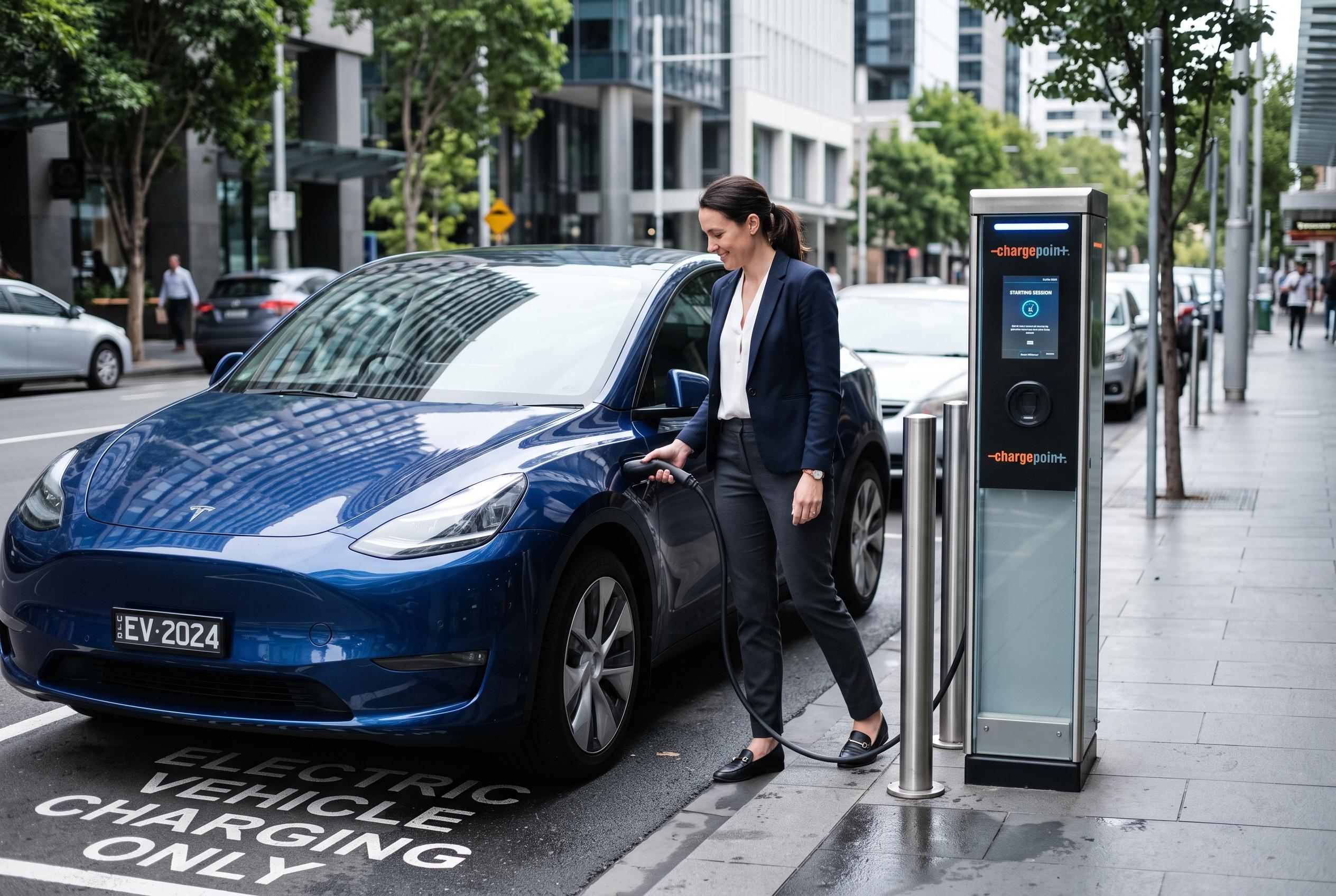

As nations worldwide ramp up efforts to promote electric vehicles, governments are balancing purchase subsidies with investments in charging infrastructure to accelerate adoption and ensure environmental benefits.
Governments around the world are increasingly treating electric vehicles as a policy tool rather than a niche product. The aim is straightforward: cut transport emissions, reduce dependence on petrol and diesel, and make cleaner motoring less expensive for households. In practice, that has meant a mix of purchase subsidies, tax relief and investment in charging networks.
Osama Abu Al-Majd, head of the Car Dealers Association, said a number of governments are using direct financial support to narrow the gap between electric cars and conventional models. That support can take the form of grants towards the purchase price, along with tax and customs breaks. His point reflects a central obstacle to wider adoption: even where running costs are lower, the upfront price of an electric vehicle remains a major barrier for many buyers.
According to the U.S. Environmental Protection Agency’s ENERGY STAR programme, incentives for electric vehicles often extend beyond the vehicle itself and into charging equipment, with federal, state and local schemes available in some markets. The District of Columbia’s Department of Energy and Environment says tax credits can also apply to the purchase and installation of charging stations, including support for homes and businesses. Such measures matter because charging access is now one of the key determinants of consumer confidence.
That infrastructure question is not only about convenience. Research cited by the National Bureau of Economic Research suggests the environmental gains from electric vehicles can vary widely by state, and in some places may even be negative if power generation remains heavily polluting. The study also argues that some local environmental costs are shifted elsewhere, which means subsidies do not automatically guarantee the broad public benefits policymakers expect.
By contrast, the Institute for Environmental Research and Education says electric vehicles can significantly reduce greenhouse gas emissions, particularly when they are powered by renewable electricity. The World Bank has likewise argued that, in many developing countries, electric mobility can produce both economic and environmental gains, including better public health, lower fuel import dependence and reduced congestion. For rural communities, the U.S. Department of Transportation says charging networks can also support local economic development and cleaner air.
Abu Al-Majd said the strongest policy model is one that combines support for buyers with investment in charging points. That balance is critical. Lowering the purchase price without a reliable charging network limits uptake. Expanding charging infrastructure without demand incentives risks underused investment. The most effective approach, observers say, is the one that links both sides of the market and turns electric vehicles from an emerging technology into an ordinary transport choice.
Disclaimer: This content is intended for informational purposes only. Readers are advised to exercise their own judgement, conduct due diligence, or consult a qualified expert before acting on any information provided.