
Google is repositioning its laptop ambitions with the leak of the Googlebook 15, signalling a move into the premium market with new hardware and aluminium OS tailored for AI integration, aiming to challenge traditional PC giants from 2026.
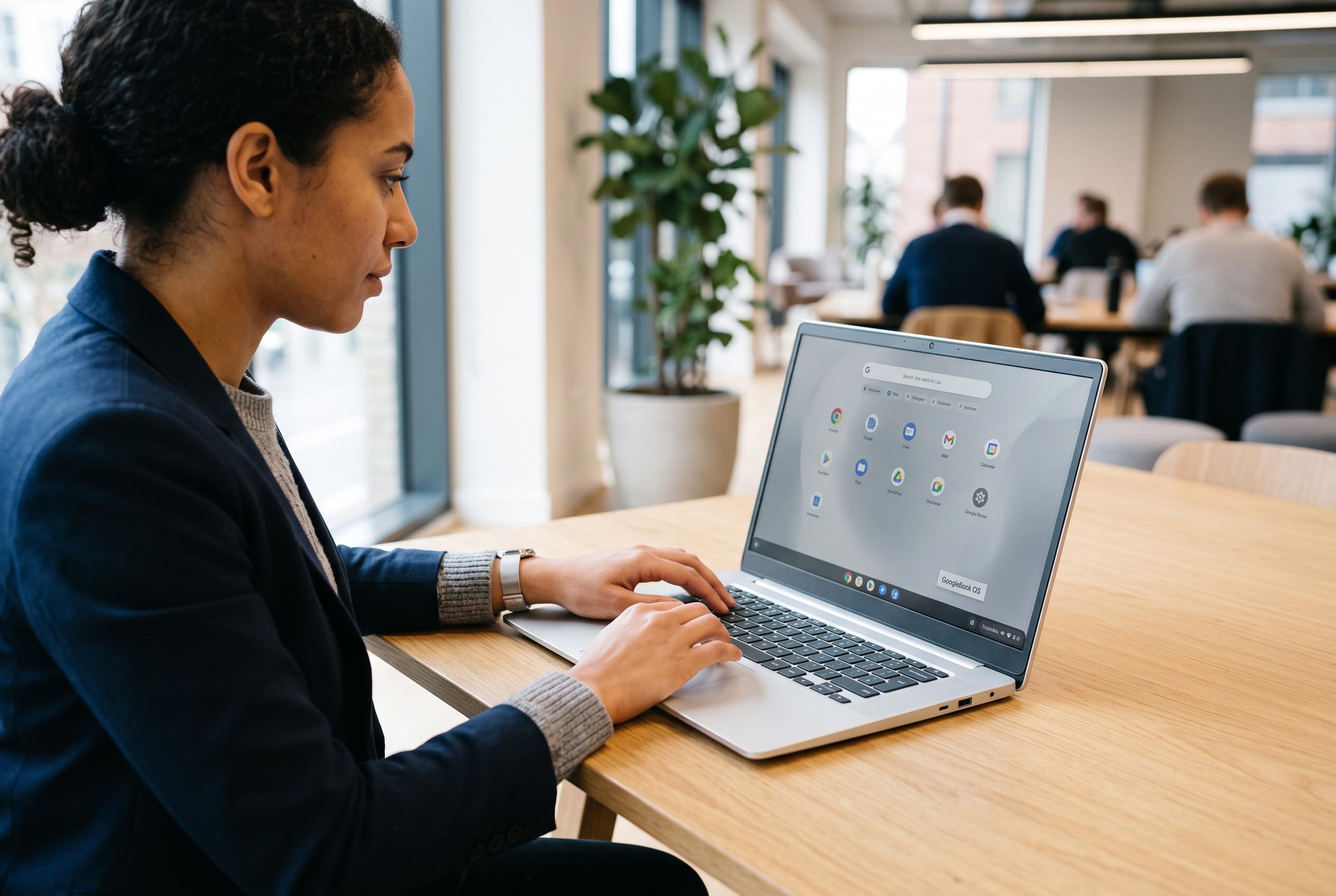
Google’s next laptop push is beginning to take shape, and the first leaked images suggest a clear break from the low-cost Chromebook image that defined its earlier PC efforts. According to Digital Citizen and reporting by TechRadar, the Lenovo-built Googlebook 15 is being positioned as a premium device, with a larger trackpad, slim display borders, a privacy webcam in a notched screen and Dolby Atmos speakers.
The most striking details are on the keyboard. The leaks show a dedicated Gemini key alongside the usual modifier keys, plus a launcher key in the position where Caps Lock would normally sit. TechRadar also said the machine appears to include multiple shortcut and control keys across the top row, reinforcing the idea that Google is building these systems around its AI assistant rather than treating it as an add-on.
The software story is even more consequential. Google announced Aluminium OS in May as an Android-based desktop system intended to replace ChromeOS on consumer laptops, and TechJournal reported that the first Googlebook devices are due in the autumn of 2026 from several original equipment makers, including Dell. That report also said Google is aiming above the budget Chromebook segment and into a premium tier, with a target price above $999.
That shift matters because it changes the expectation for what a Google laptop can run. Android apps are meant to work natively, rather than through the container-based approach long used on Chromebooks, which Google has portrayed as a way to fix years of inconsistent app behaviour. Android Central and TechCrunch both said the company is tying the platform closely to Gemini and adding features such as Magic Pointer, which surfaces contextual suggestions based on what is on screen.
There are still unanswered questions, especially around pricing, battery life and whether buyers will care enough to move beyond familiar Windows, macOS and iPad alternatives. But if the leaked Googlebook 15 is accurate, Google is no longer trying to compete on affordability. It is trying to make a higher-end laptop category that looks and behaves more like a mainstream PC, while keeping AI at the centre of the experience.
Disclaimer: This content is intended for informational purposes only. Readers are advised to exercise their own judgement, conduct due diligence, or consult a qualified expert before acting on any information provided.