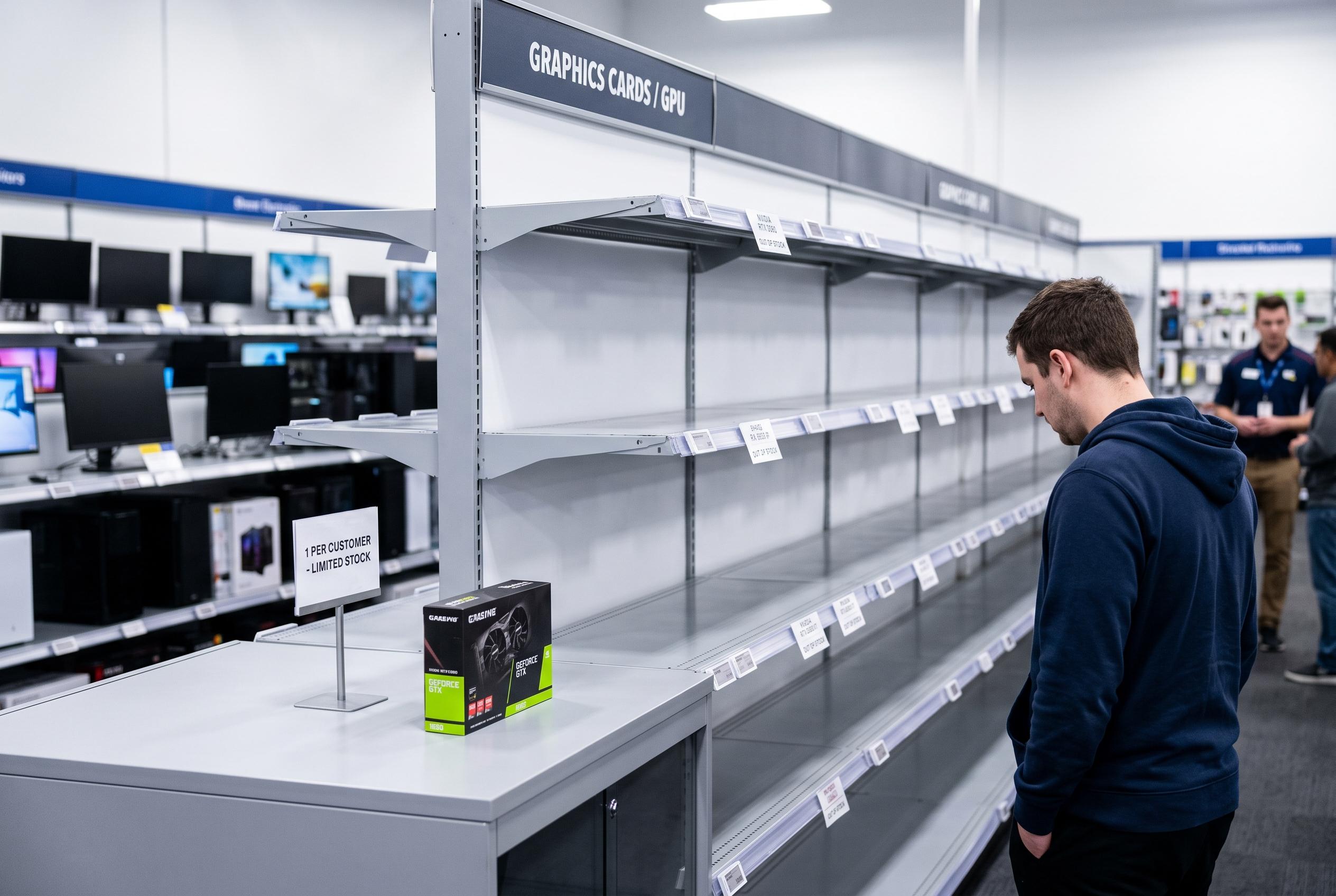

Hong Kong-based PC Partner warns of escalating supply squeeze in the graphics card market, with entry-level models most severely affected amid rising costs and component shortages, threatening the sector’s stability.
PC Partner, the Hong Kong group behind Zotac and Inno3D, has warned that the graphics card market is heading into a sharper supply squeeze in the second half of the year, with entry-level models likely to be hit hardest. The company told shareholders that the PC market remains under heavy strain as chip availability tightens, especially for memory, and that rising component costs are already feeding through to retail prices.
The warning fits a broader pattern across the GPU industry. Tom’s Hardware reported that Zotac has raised the MSRP of some cards by $200 or more, with certain models climbing by as much as $500, while also attributing a cancelled customer order to a system error. The publication said the increases have come alongside global shortages, particularly for cards with 16GB of VRAM or more.
According to Tom’s Hardware and PC Gamer, Zotac has also privately described the memory shortage as severe enough to threaten the survival of graphics card makers and distributors. PC Gamer reported that Nvidia may have ended a partner incentive scheme designed to help board makers sell cards at MSRP, a change that would make it harder for vendors to hold prices down if costs keep rising.
That pressure matters most in the lower end of the market, where volume is concentrated. PC Partner said entry-level boards are expected to face the most serious shortages, while Canaltech noted that the most sought-after products are the cheaper and mainstream segments, such as RTX 5050 and RX 9050 class cards and their mid-range equivalents. Once stock thins out, prices tend to jump quickly, and the companies making these boards are left with little room to absorb the increase.
Disclaimer: This content is intended for informational purposes only. Readers are advised to exercise their own judgement, conduct due diligence, or consult a qualified expert before acting on any information provided.