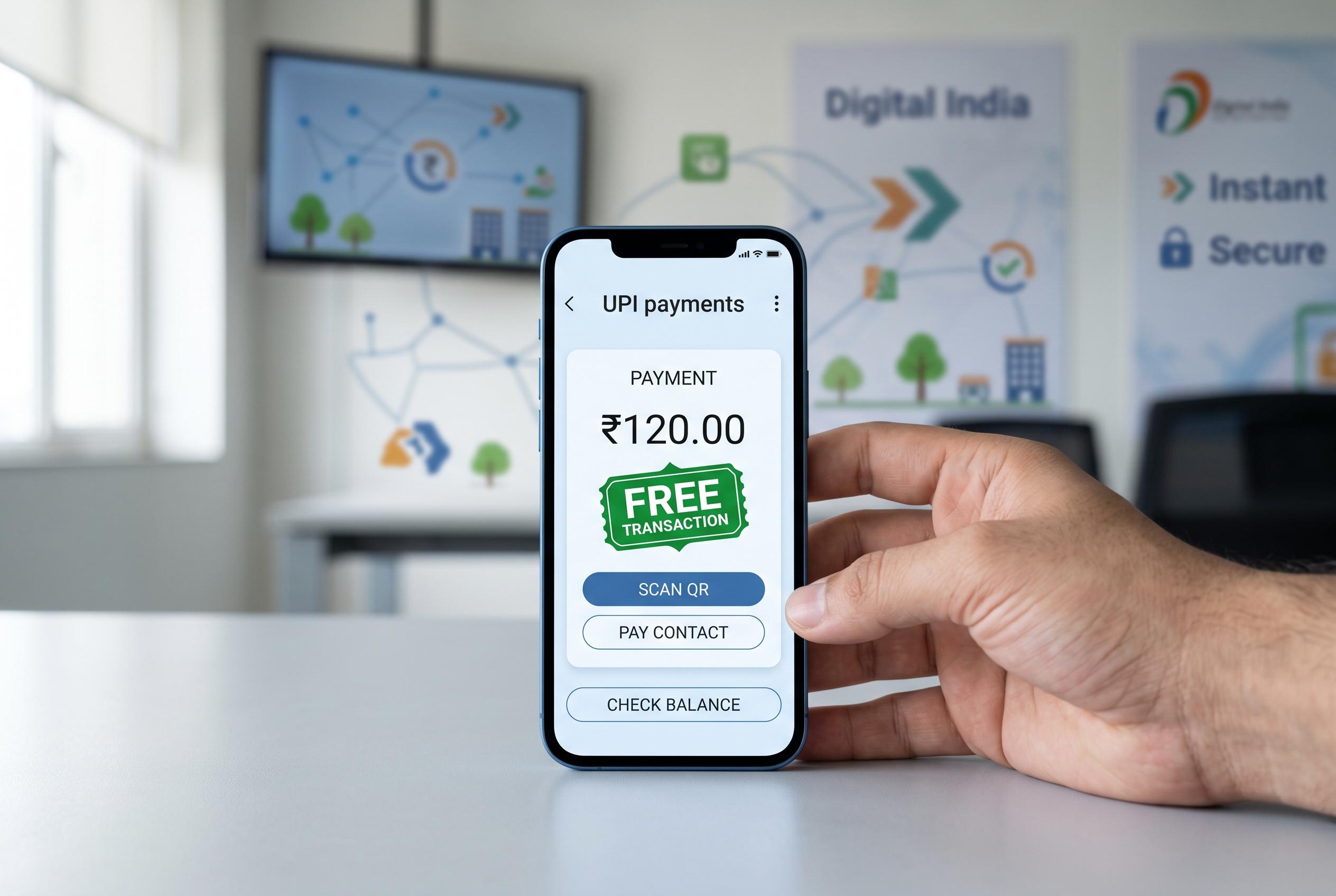

The Indian government affirms that UPI will remain free for consumers despite proposed amendments to payment laws, aiming to support the ecosystem’s sustainability as transaction volumes surge.
The Government of India has moved to calm fears that changes to payments law could lead to charges on everyday Unified Payments Interface transactions, saying UPI will remain free for ordinary users. In a statement dated August 8, 2026, the finance ministry said consumers will not be asked to pay transaction fees and that person-to-person transfers will continue without charge.
The clarification comes after concern that amendments to the Payment and Settlement Systems Act might open the door to wider fees on digital payments. According to the ministry, any merchant discount rate introduced in future would be limited to a narrow set of merchant transactions above a set threshold, and would be set at a nominal level well below the charges typically seen on debit or credit cards.
Officials said the change is intended to support the long-term viability of the UPI ecosystem rather than to burden users. With transaction volumes continuing to rise, the government said the system needs sustained investment in cyber security, fraud prevention, infrastructure and technical upgrades. It also argued that a broader revenue model would help attract more firms into the market and reduce reliance on subsidies alone.
That policy debate comes as UPI reaches new scale. Data released by the Press Information Bureau show that by June 2026, UPI had 55.49 crore users, while financial year 2025-26 saw 24,161.69 crore transactions worth ₹314.23 lakh crore. The figures underline how central the platform has become to India’s retail payments system, and why the government says resilience and security now matter as much as growth.
The ministry and agencies including the Reserve Bank of India and the National Payments Corporation of India have also stepped up measures aimed at improving transparency and safety, including risk-based transaction limits and tighter security requirements for UPI applications. For now, the official message is clear: ordinary UPI payments remain free, and any future charge would be tightly circumscribed.
Disclaimer: This content is intended for informational purposes only. Readers are advised to exercise their own judgement, conduct due diligence, or consult a qualified expert before acting on any information provided.