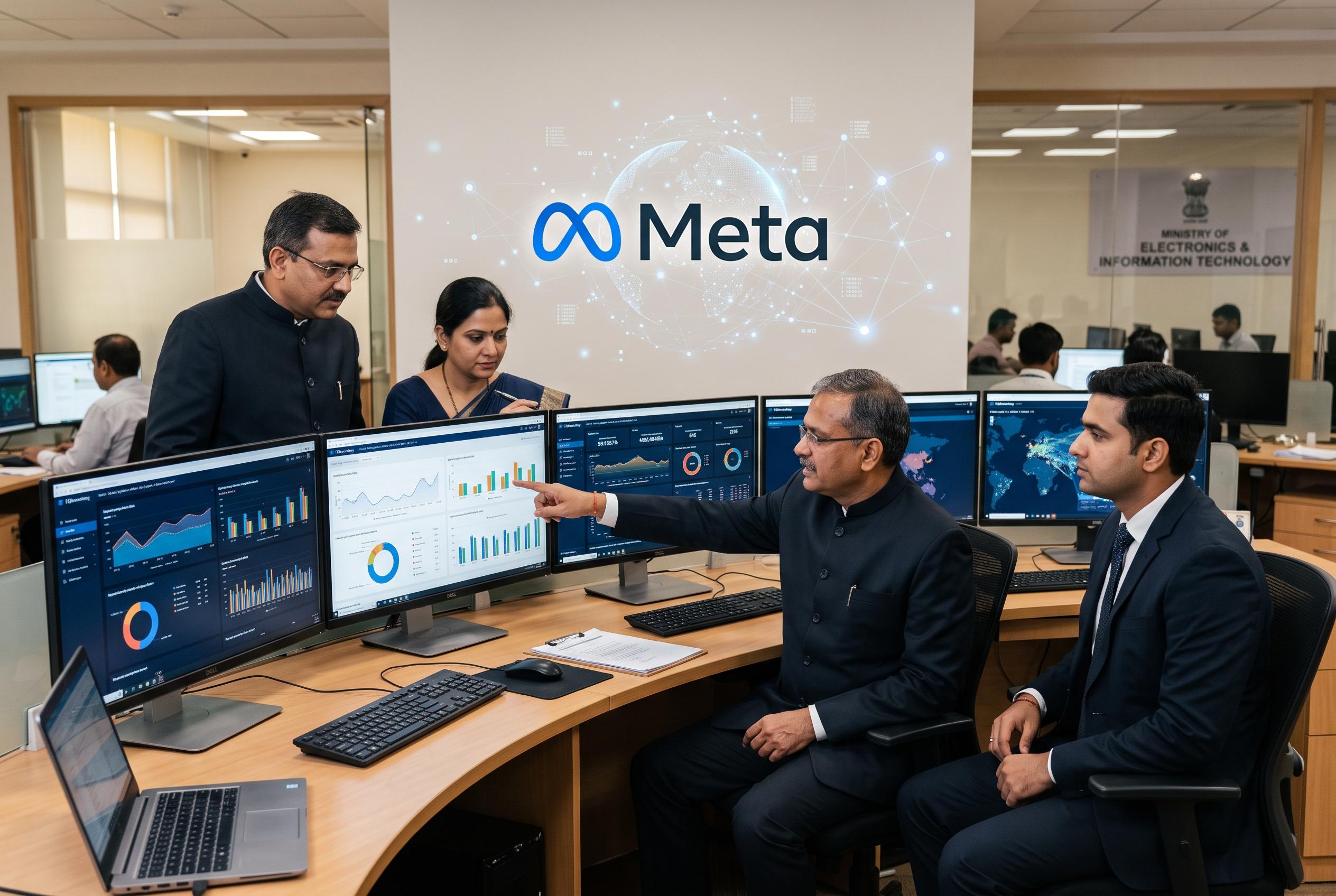

Indian authorities are expanding their investigation into Meta’s recommendation engines and paid promotion tools, questioning whether these features push the platform beyond intermediary status into publishing, with significant legal implications.
India’s scrutiny of Meta has widened beyond harmful content moderation into a deeper legal question: whether the company’s recommendation engines and paid promotion tools mean it is acting more like a publisher than an intermediary, government sources said. The issue matters because intermediary status under section 79 of the Information Technology Act gives platforms a liability shield for third-party content, provided they meet due diligence requirements.
Officials are now examining whether systems that decide what users see, and that can also boost material for payment, still fit within that protected category. According to government sources, if a platform actively determines “what is shown to whom”, it may be crossing the line from hosting content to publishing it, which would carry a very different set of obligations under Indian law.
The renewed pressure comes after a string of meetings between the Centre and Meta in which the government raised concerns over deepfakes, child sexual abuse material, unlabelled synthetic content and the functioning of recommendation systems. After two days of questioning Meta’s senior officials, discussions on Friday shifted to technical matters, with the company outlining steps it says it will take to address those concerns. Officials are expected to keep following up on progress, and another meeting is likely next week.
The government has also taken issue with AI-generated material that continues to circulate after being flagged, as well as videos that allegedly remain visible without the labels required under India’s IT rules for synthetic content. It has pressed Meta to increase human oversight in moderation and improve its understanding of Indian languages and local context. The aim, sources said, is compliance rather than censorship.
The row follows earlier regulatory friction. In July, Meta was summoned over allegations that Instagram carried advertisements promoting child sexual abuse material, after a BBC investigation reported that Meta’s recommendation system surfaced abusive videos and related ads. Separately, the Supreme Court has warned Meta and WhatsApp that they must comply with Indian law, while the company has also objected to the practicality of some proposed content takedown deadlines. Government sources said the latest round of talks will help determine whether legal opinion is needed and whether similar scrutiny should be extended to other platforms.
Disclaimer: This content is intended for informational purposes only. Readers are advised to exercise their own judgement, conduct due diligence, or consult a qualified expert before acting on any information provided.