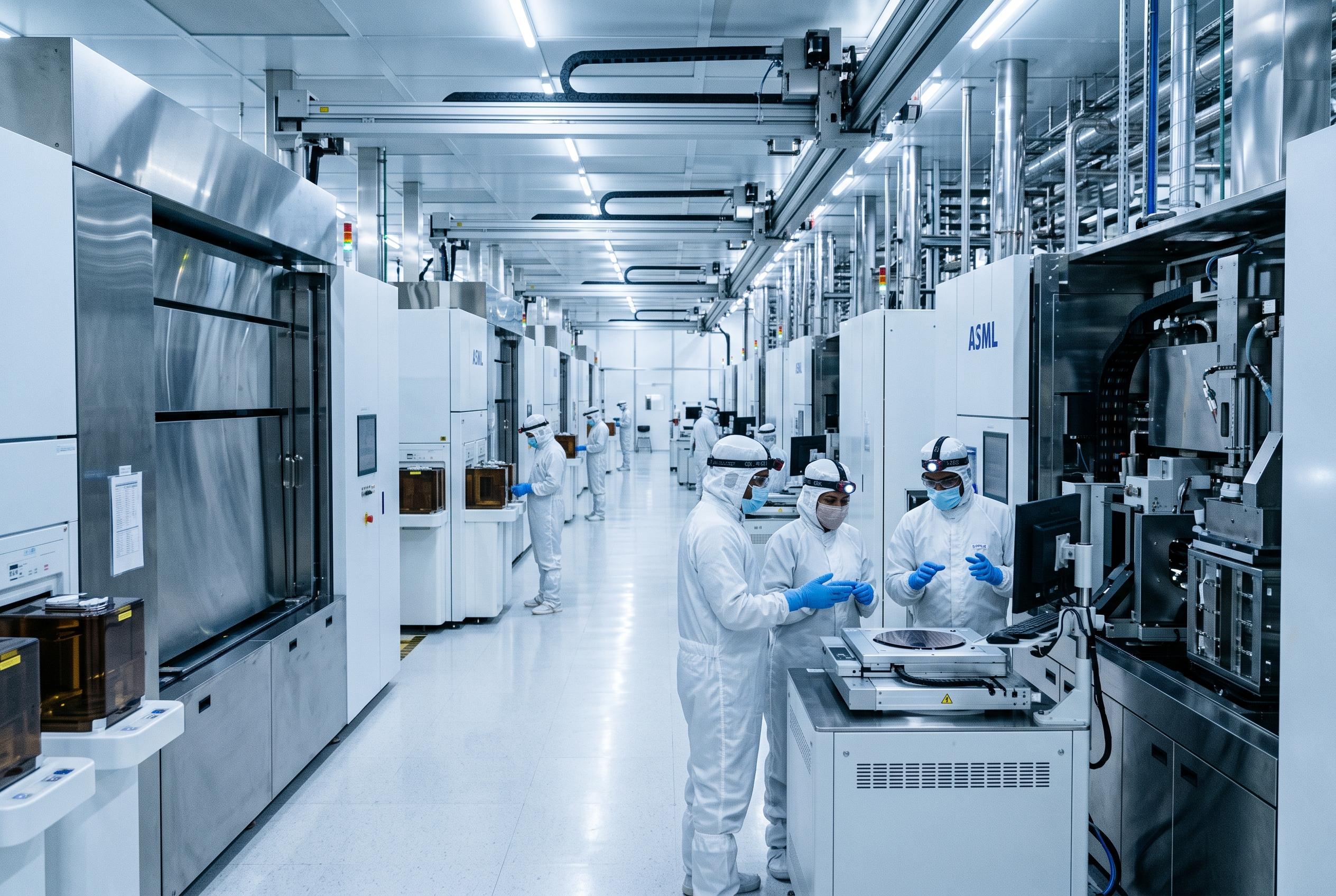

India’s second phase of semiconductor development attracts approximately $11bn to $12bn in new investments, signalling a shift from policy to production, with major companies advancing projects and creating thousands of jobs.
India’s second semiconductor push has drawn investment interest of about 1 lakh crore rupees, or roughly $11bn to $12bn, according to Electronics and IT Minister Ashwini Vaishnaw, who said the figures reflect discussions with companies that have not yet gone public with their plans. He made the remarks at the Semicon India 2026 conference in New Delhi, where officials said the next phase will concentrate on chip design, equipment, fabrication, advanced packaging, research and development, and skills training.
The scale of interest suggests that India’s effort to build a domestic chip industry is moving beyond policy ambition and into supplier formation. Under the first phase of its programme, launched with $10bn in subsidies, the country drew projects from companies including Tata Group and Micron Technology. The government later announced a $13.4bn second phase in July to deepen that push. Vaishnaw said the newly identified investment proposals could be deployed over the next two to three years.
Several projects linked to the first phase are already advancing. Vaishnaw said Micron and the chip arm of Murugappa Group have begun commercial production. Other international companies, including Lam Research and Applied Materials, have committed to India as part of the broader build-out. The aim is not only to attract large fabrication projects but also to create a wider industrial base around tools, materials and related services.
At the conference, Tata Electronics signed agreements across the supply chain, including a partnership with the Netherlands-based Nexperia covering wafer manufacturing, assembly and testing for its plant in Gujarat and its assembly facility in Assam. Reports from the event also said Tata Electronics and Applied Materials expanded cooperation through multiple memoranda of understanding, alongside links with companies such as Fujifilm. Industry coverage said the broader pipeline could support nearly 100,000 jobs, underlining how the programme is being positioned as both an industrial policy and a labour market strategy.
Disclaimer: This content is intended for informational purposes only. Readers are advised to exercise their own judgement, conduct due diligence, or consult a qualified expert before acting on any information provided.