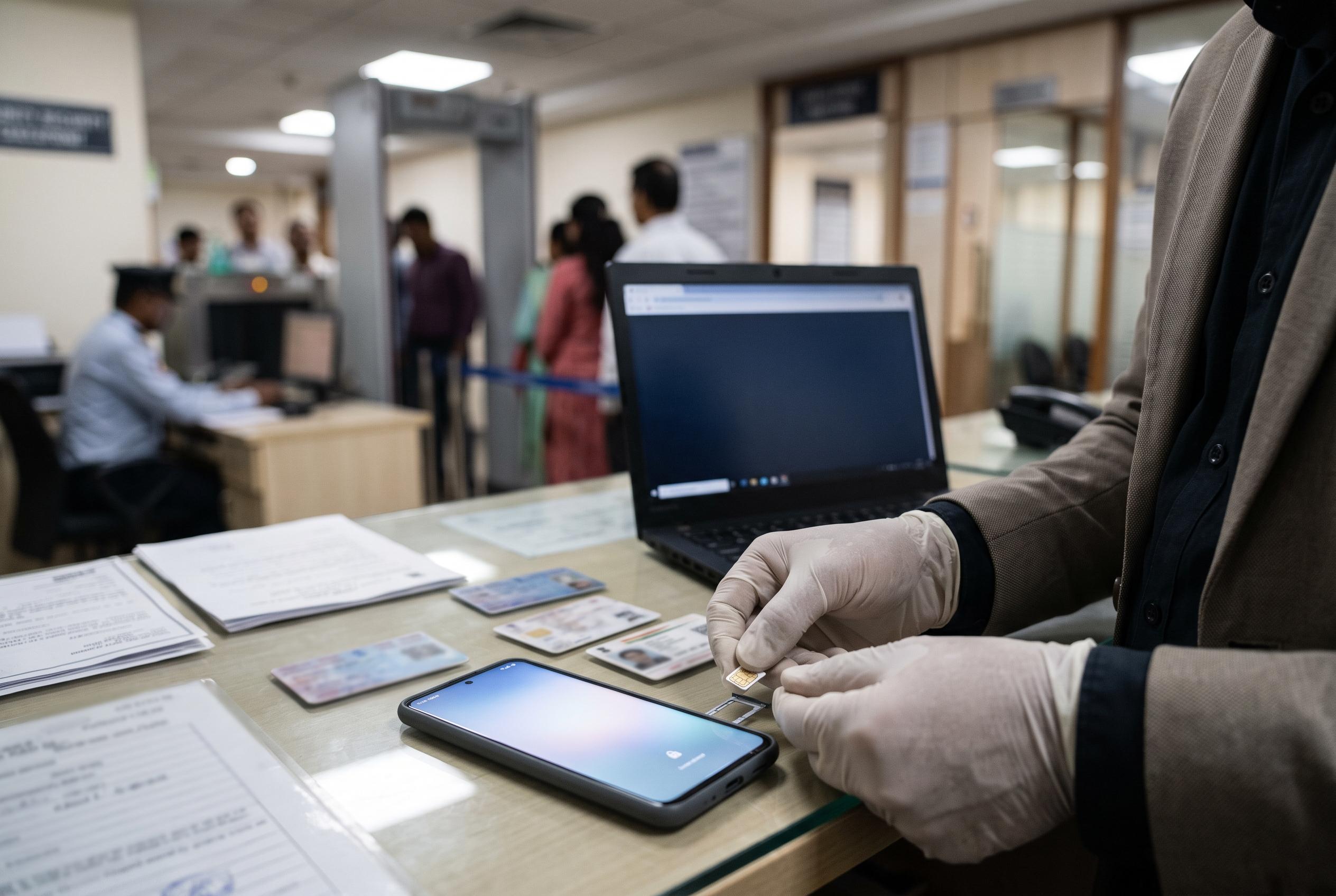

India’s Department of Telecommunications has issued a stark warning to mobile users against sharing SIM cards registered in their names, intensifying scrutiny following a surge in identity fraud. The new advisory highlights severe penalties, including imprisonment and hefty fines, as authorities leverage technology to curb telecom-related crimes.
India’s Department of Telecommunications has warned mobile users not to hand over SIM cards issued in their own names to other people, as it steps up scrutiny of fraud involving subscriber identities, telecom identifiers and handset IMEI numbers. The advisory, issued on 21 September, says such misuse can trigger criminal action under the Telecommunications Act, 2023, which the department says can carry penalties of up to three years in prison and fines of as much as ₹50 lakh.
The warning comes against a backdrop of rising concern about identity misuse in telecom services. According to reports by Gadgets 360 and Mint, the advisory followed a cybercrime probe in Chhattisgarh in which a point-of-sale agent was said to have activated 25 SIM connections using citizens’ identity documents without their knowledge or consent. The DoT has used the case to underline the risks of SIM sharing and document fraud, as well as the importance of checking whether any numbers are linked to a person’s name without permission.
To help users verify their connections, the department is directing people to the Sanchar Saathi portal and mobile app. The process involves entering a mobile number, completing an OTP check and reviewing all SIMs registered against that identity. Any unfamiliar number can then be reported or blocked through the same system. The adviser’s practical message is simple: if a SIM is in your name, you remain responsible for how it is used.
The alert also reflects the wider structure of India’s telecom rules. The Telecommunications Act, 2023 provides for penalties across a range of offences, including unauthorised telecom activity, unlawful interception and the use of subscriber identity modules beyond the notified limit. In general, a person may hold up to nine SIM cards in India, although the limit is lower in Jammu and Kashmir, Assam and the north-eastern states, where the cap is six.
Disclaimer: This content is intended for informational purposes only. Readers are advised to exercise their own judgement, conduct due diligence, or consult a qualified expert before acting on any information provided.