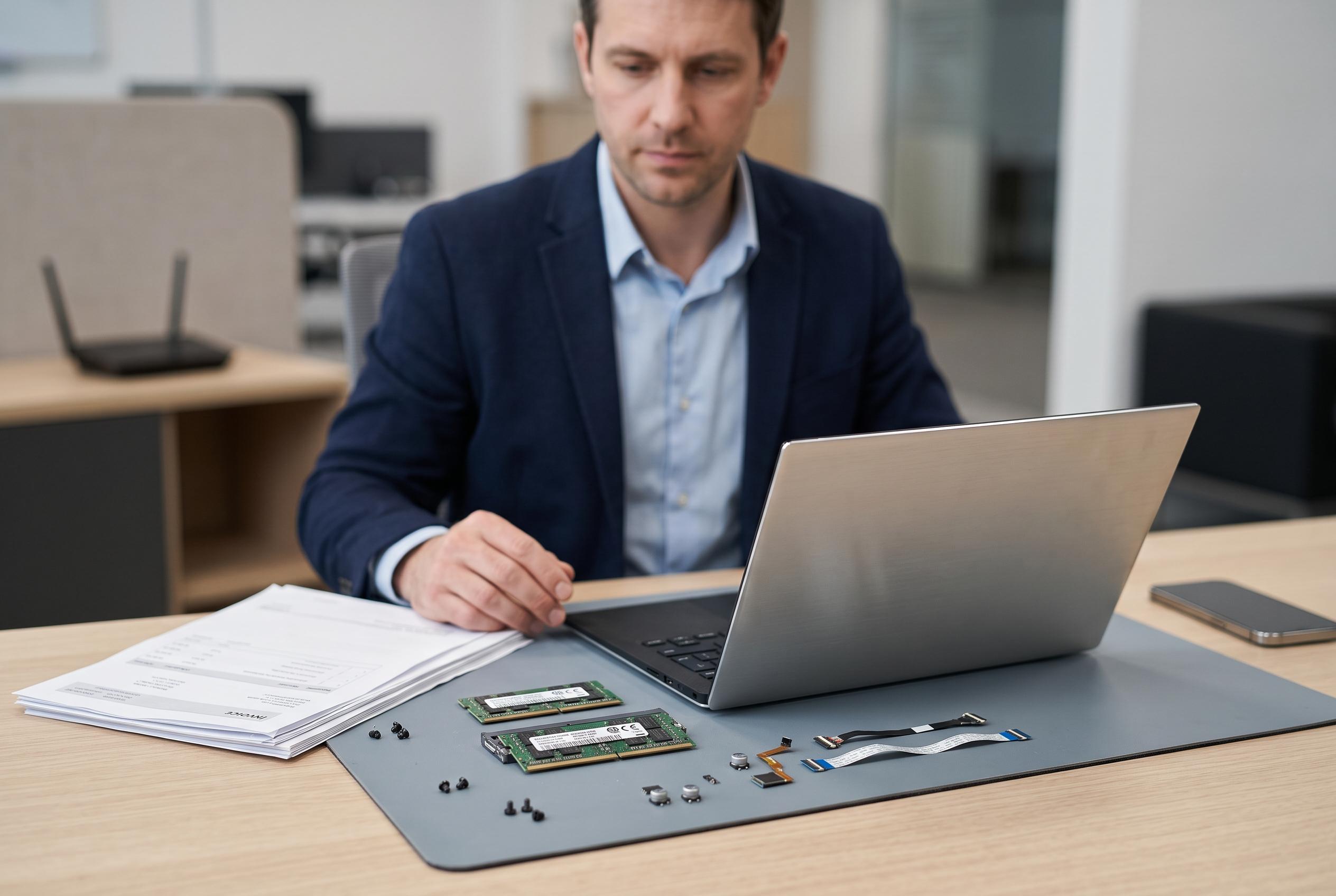

Rising memory costs due to a global chip shortage are causing unprecedented price increases across Apple’s product range and the wider tech industry, signalling a shift from years of declining consumer electronics prices.
Apple’s latest launch season has been overshadowed by a far less glamorous development: a sharp rise in the price of iPhones, including older models that are still on sale. The increase comes as the technology industry grapples with a severe shortage of memory chips, a squeeze driven in large part by the AI boom and the huge demand from data centres. According to The Guardian, the result has been a £100 rise across Apple’s handset range, with analysts describing the shift as part of a wider “RAMageddon” that is ending years of falling consumer electronics prices.
Francisco Jeronimo, vice-president for client devices at IDC, told The Guardian that memory costs have climbed by more than 300% year on year, with some components now many times more expensive than before. Because Apple uses the same memory in older iPhones as in its newest models, those devices are being priced as current products rather than discounted back-stock. The pressure is not limited to Apple. Samsung and Google have also lifted the prices of flagship handsets, while the lower end of the smartphone market has been hit especially hard as manufacturers struggle to keep entry-level models viable.
The pricing wave is already spreading beyond phones. In June, MacRumors reported that Apple had raised prices on several product lines, including Macs, iPads, Apple TV, HomePod, HomePod mini and Vision Pro, saying the company had tried to absorb the cost shock for as long as possible. In July, Tim Cook said on an earnings call that Apple had increased prices on 14 products and described the situation as a “hundred-year flood” in memory pricing. He said the company could no longer fully shield customers from the rise in chip and storage costs, echoing earlier comments to The Wall Street Journal that some of the burden would have to be passed on to consumers.
For buyers, the significance is broader than one product cycle. IDC now expects worldwide smartphone sales to fall almost 17% this year to just over 1bn handsets, the steepest annual decline on record, as customers buy less often and pay more when they do upgrade. The Guardian also reported that Microsoft has raised prices on some Surface devices by as much as £220 and that console makers are feeling the same pressure from memory and storage inflation. With some chipmakers warning that shortages could persist beyond 2030, analysts say the era of steadily cheaper devices may already be over.
Disclaimer: This content is intended for informational purposes only. Readers are advised to exercise their own judgement, conduct due diligence, or consult a qualified expert before acting on any information provided.