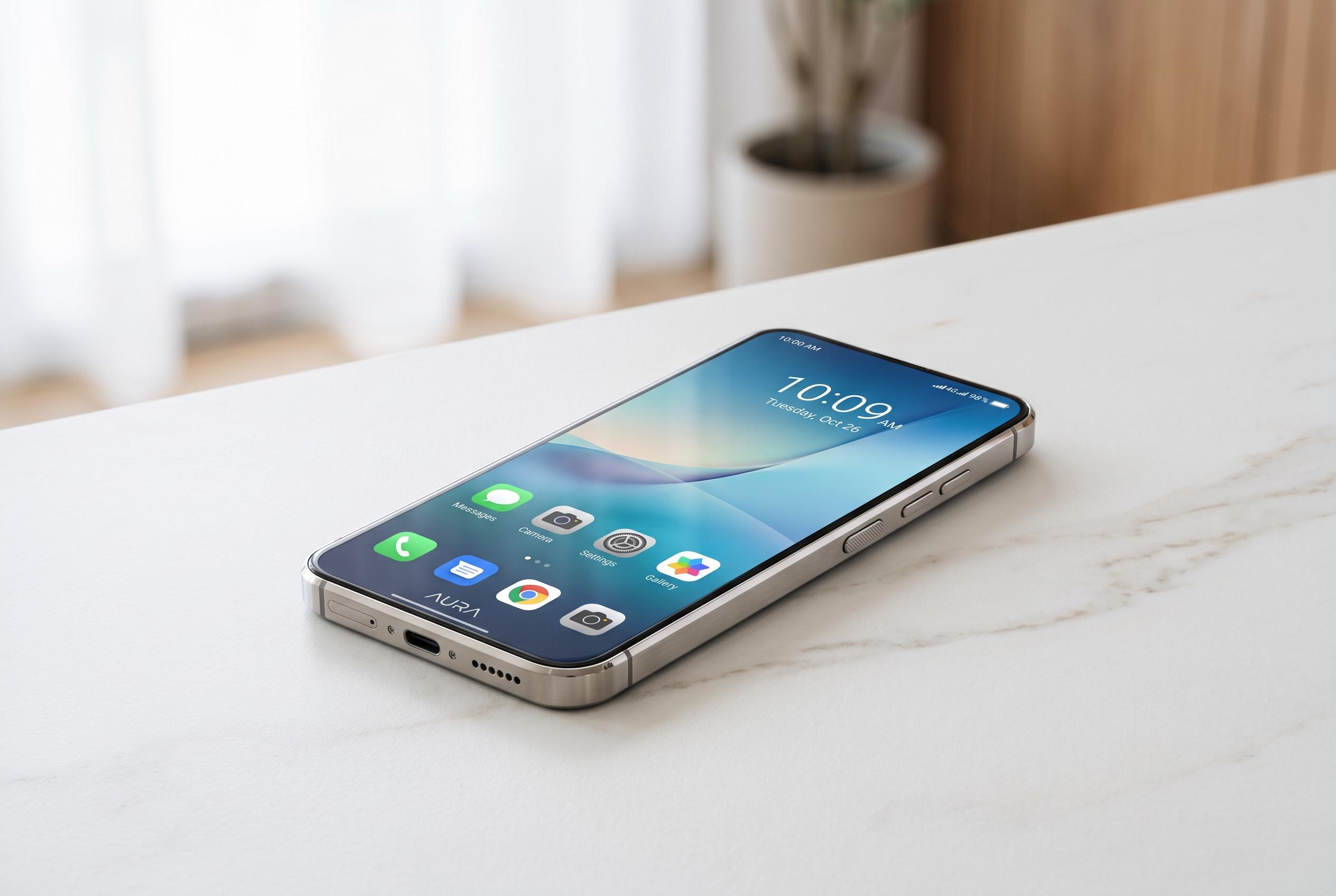

Rising memory component costs are pushing flagship smartphones into a higher price bracket, with premium models approaching and surpassing the $1,500 mark as manufacturers absorb or pass on the increased expenses.
Rising memory costs are beginning to reshape the smartphone market from the bottom up. Digital Trends reported that the pressure is no longer confined to entry-level handsets: it is now reaching the flagship tier, where large DRAM and storage configurations are standard and margins are thinner than they look. The result is a market in which even premium phones may have to absorb higher component costs or pass them directly to buyers.
That shift is already visible in 2026 pricing. Digital Trends noted that the OnePlus 15T arrived as another reminder that compact flagships are becoming more expensive, while analysts cited in the site’s budget-phone coverage expect shipments of smartphones below $400 to fall sharply as higher DRAM and NAND prices make it harder to keep specifications up without lifting retail prices. The same pressure is also affecting component choices: Qualcomm is said to be preparing two versions of its next flagship Snapdragon chip, which could force manufacturers either to pay more or make compromises elsewhere.
Samsung appears to be feeling the strain as well. According to Digital Trends, the company did not offer the sort of free storage upgrade incentives it has used in the past for recent Galaxy S and Galaxy Z devices, suggesting there is less room to soften launch prices than before. The publication also reported that Samsung was preparing price increases for several flagship models in Greece, underscoring how the memory crunch is spreading across regions and product tiers rather than staying limited to a single market.
The clearest sign of where the market may be heading is the foldable segment. Motorola’s Razr Ultra 2026 launched at $1,499.99 in the US, up from $1,299 for the prior model, showing that a $1,500 price point is no longer theoretical for a premium phone. Digital Trends also pointed to Samsung’s latest book-style foldables, which start above $1,800 and move past $2,000 in some configurations, as evidence that consumers are already accepting far higher prices for cutting-edge hardware.
For buyers, especially outside the US, that trend could become harder to ignore. Digital Trends estimates that India typically pays a substantial premium over US pricing, and it warned that the next round of iPhone, Pixel and Galaxy flagships could push local launch prices even further. If memory costs remain elevated and manufacturers keep adding AI features, bigger batteries and more ambitious camera hardware, the industry may be moving towards a new normal in which $1,300 to $1,500 is the starting point for top-tier phones.
Disclaimer: This content is intended for informational purposes only. Readers are advised to exercise their own judgement, conduct due diligence, or consult a qualified expert before acting on any information provided.