
Rising memory chip costs are forcing Nvidia’s server partners to hike AI system prices by more than 15%, signalling ongoing cost pressures amid tight supply and high demand in the sector.
Rising memory chip prices are forcing Nvidia’s server partners to lift prices on AI systems by more than 15%, according to Bloomberg News, in a sign that the cost of building artificial intelligence infrastructure is still climbing despite heavy investment across the sector. The increases are expected to affect systems shipped early next year, including configurations based on Nvidia’s Vera Rubin and Grace Blackwell platforms, with the size of the rise varying by chip generation and memory mix.
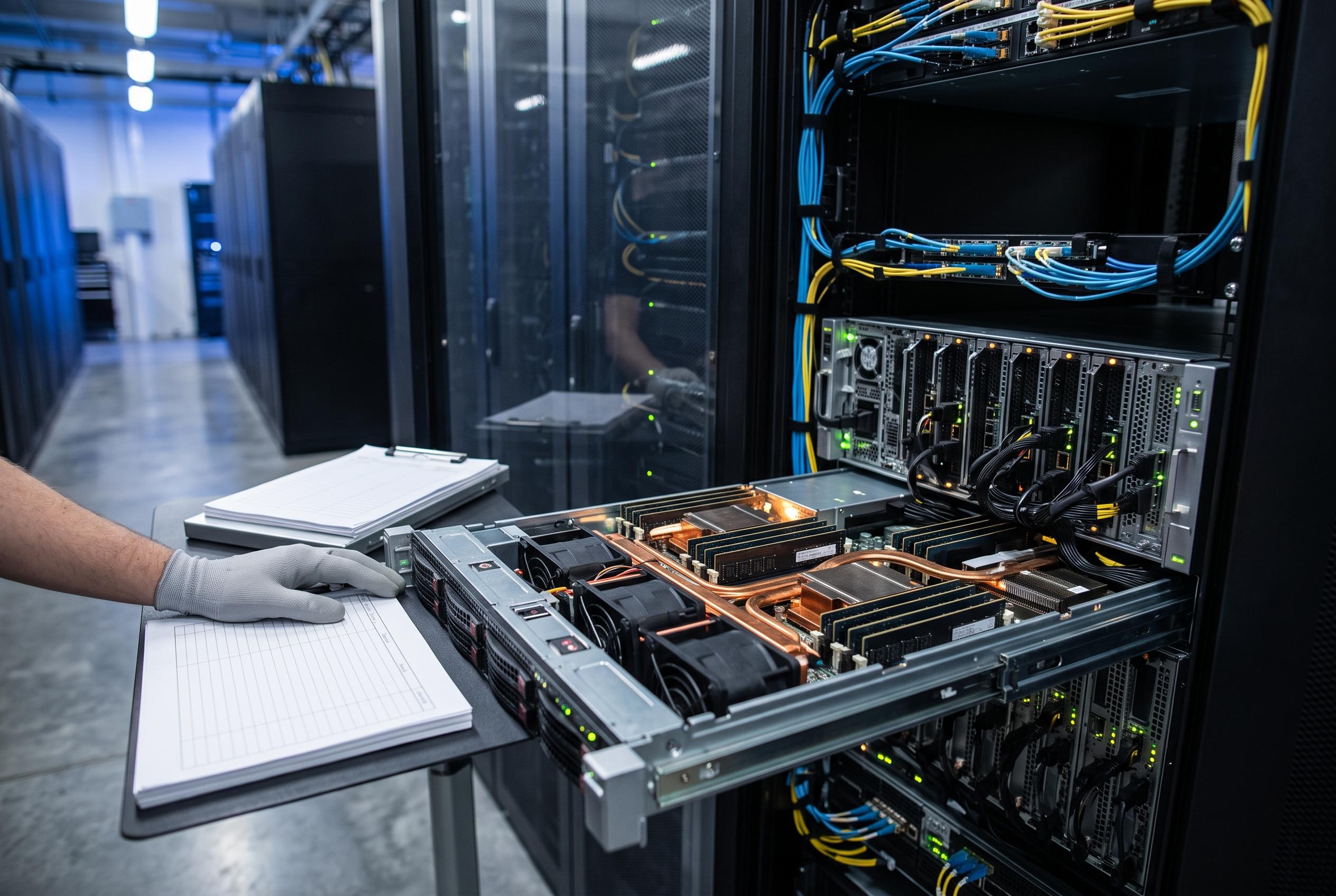
The pressure is coming from the memory market, where Samsung Electronics, SK Hynix and Micron Technology now hold exceptional influence as demand for high-bandwidth memory and DRAM surges. Tom’s Hardware reported that some of the latest memory products have already seen sharp price moves, and that 2026 output is effectively sold out at major suppliers, leaving server builders with few short-term options. Because Nvidia’s accelerator systems depend heavily on memory bandwidth and capacity, the report said, those costs flow directly into the price of complete server racks.
That is significant for cloud groups such as Microsoft, Alphabet’s Google and Oracle, whose contract manufacturers have reportedly warned customers about the coming increases. Tom’s Hardware said the impact will be particularly visible in Nvidia’s next-generation rack-scale products, where memory can account for a quarter of total system cost. Morgan Stanley Research has estimated that a Vera Rubin-based rack could cost hyperscalers about $7.8 million, well above the roughly $4 million price tag for a GB300 NVL72 system.
The wider industry is already feeling the strain. According to Bloomberg, Apple and Qualcomm have said chip shortages have forced them to raise prices in other product lines, while Nvidia itself has been able to sustain a gross margin of about 75% because demand for its processors remains far above supply from Taiwan Semiconductor Manufacturing Co. Even so, the latest price increases point to a harder phase for the AI build-out, as the sector contends with tighter capital conditions, labour shortages, project delays and resistance to new data-centre developments.
Disclaimer: This content is intended for informational purposes only. Readers are advised to exercise their own judgement, conduct due diligence, or consult a qualified expert before acting on any information provided.