
Vietnam’s Politburo unveils a bold industrial strategy to shift from resource extraction to deep processing of critical materials, aiming for technological autonomy and increased value addition by 2030 amid efforts to bolster high-tech manufacturing and supply chain independence.
Vietnam’s Politburo has laid out a far more assertive industrial agenda, pressing the country to move beyond extraction and into deep processing of rare earths, semiconductor materials and battery inputs by 2030. The plan places materials at the centre of national competitiveness, linking the sector to faster growth, technological autonomy and a more resilient economy.
According to the conclusion reported by VietnamNet and reinforced by later briefings, the state wants to build closed-loop supply chains for strategic minerals and advanced inputs, while sharply limiting raw mineral exports. That would mean more domestic refining, more recycling and a larger share of value captured inside Vietnam, rather than at the point of extraction.
The roadmap is set against a recognition that the industry has expanded, but not far enough up the value chain. The Politburo said the sector still leans too heavily on resource extraction, with high energy use, low added value and environmental costs. It also said future investment should be concentrated in core links and industries with broader spillover effects, rather than spread thinly across unrelated projects.
Concrete milestones have been set for the next few years. Vietnam aims to adopt a national materials strategy by 2026, create a national materials database by 2027 and establish at least three to five research centres by 2028. By 2030, it wants to master selected deep-processing technologies for rare earths, semiconductor materials and battery materials, and reach a 50 per cent localisation rate for key strategic materials.
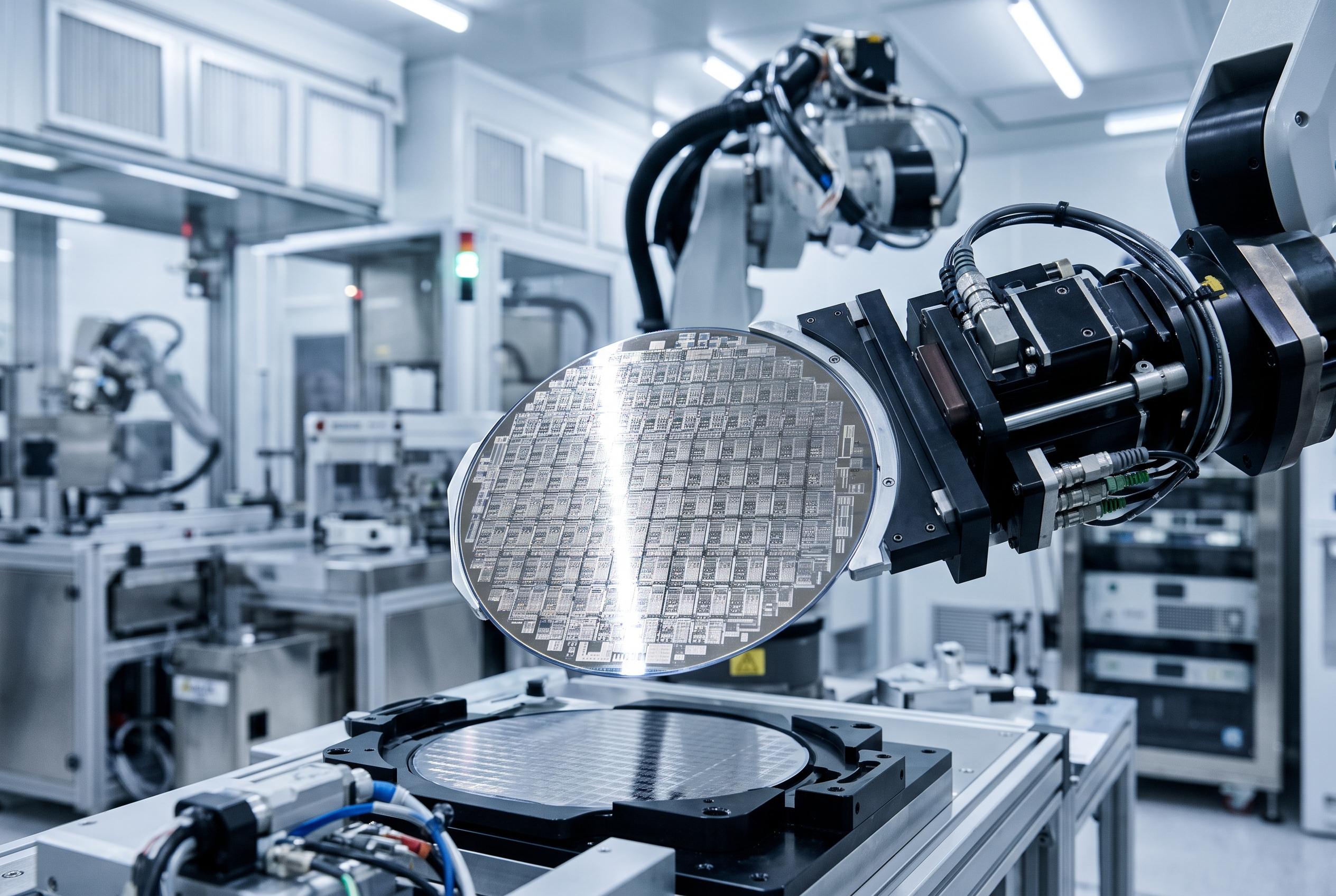
The wider policy push also reflects Vietnam’s ambition to position itself more firmly in high-tech supply chains. Separate reporting by Business Standard said the government is targeting at least one semiconductor fabrication plant and ten packaging plants by 2030, with chip revenue also expected to rise sharply. Together with the materials strategy, that suggests Hanoi is trying to build the industrial base needed to support semiconductor manufacturing, defence-related inputs, renewable energy components and other advanced sectors.
The Politburo has also called for stronger stockpiling, tighter management of strategic minerals and new mechanisms to attract domestic talent, overseas Vietnamese experts, international specialists and global technology firms. In practice, that points to a policy mix that is not only about resource control, but also about technology transfer, research capacity and long-term industrial coordination.
Disclaimer: This content is intended for informational purposes only. Readers are advised to exercise their own judgement, conduct due diligence, or consult a qualified expert before acting on any information provided.