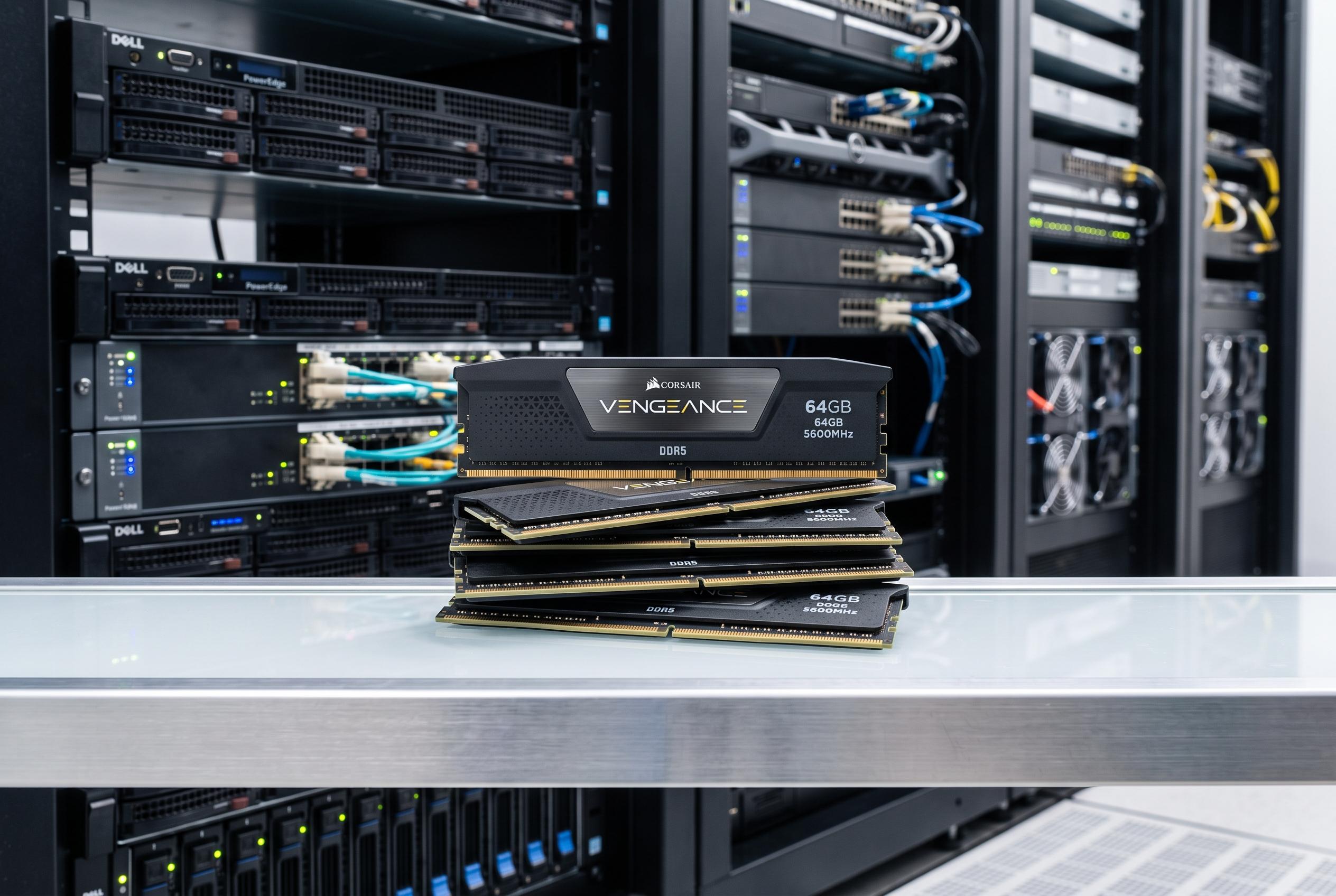

Memory costs across the tech sector have surged to levels unseen since 2007, driven by burgeoning artificial intelligence applications, presenting a new challenge for consumers and manufacturers alike.
Memory prices are rising sharply across the technology sector, with analysts warning that the jump is already feeding through to consumer devices. Reports cited by Tom’s Hardware say RAM pricing in 2026 has effectively returned to levels last seen in 2007, reversing roughly 20 years of falling costs in only a few months.
The pressure is being driven largely by demand from artificial intelligence systems, especially for high-bandwidth memory, which is drawing capacity away from mainstream chips. Data referenced by Tom’s Hardware and the Stanford DAM Project indicates that DDR5 now costs about $11.41 to $13.28 per GB, broadly in line with DDR2-era pricing from 2008.
This is not the first sign of strain in the market. TrendForce said as far back as 2023 that DDR4 and DDR5 prices were beginning to rise as manufacturers cut production to reduce surplus stock, with consumer DRAM prices expected to increase by as much as 8% in that quarter. More recent reporting from TechSpot also points to large-scale production cuts pushing fourth-quarter contract prices higher, including double-digit increases for DDR5 and DDR4.
The result is a harder market for buyers of laptops, gaming systems and other memory-heavy products. Tom’s Hardware reported that DDR5 prices fell nearly 30% in one recent month and DDR4 prices declined too, but costs remain well above historical norms. That suggests the market has eased at the margin without returning to anything like normal, leaving consumers and manufacturers exposed to further volatility.
Disclaimer: This content is intended for informational purposes only. Readers are advised to exercise their own judgement, conduct due diligence, or consult a qualified expert before acting on any information provided.