

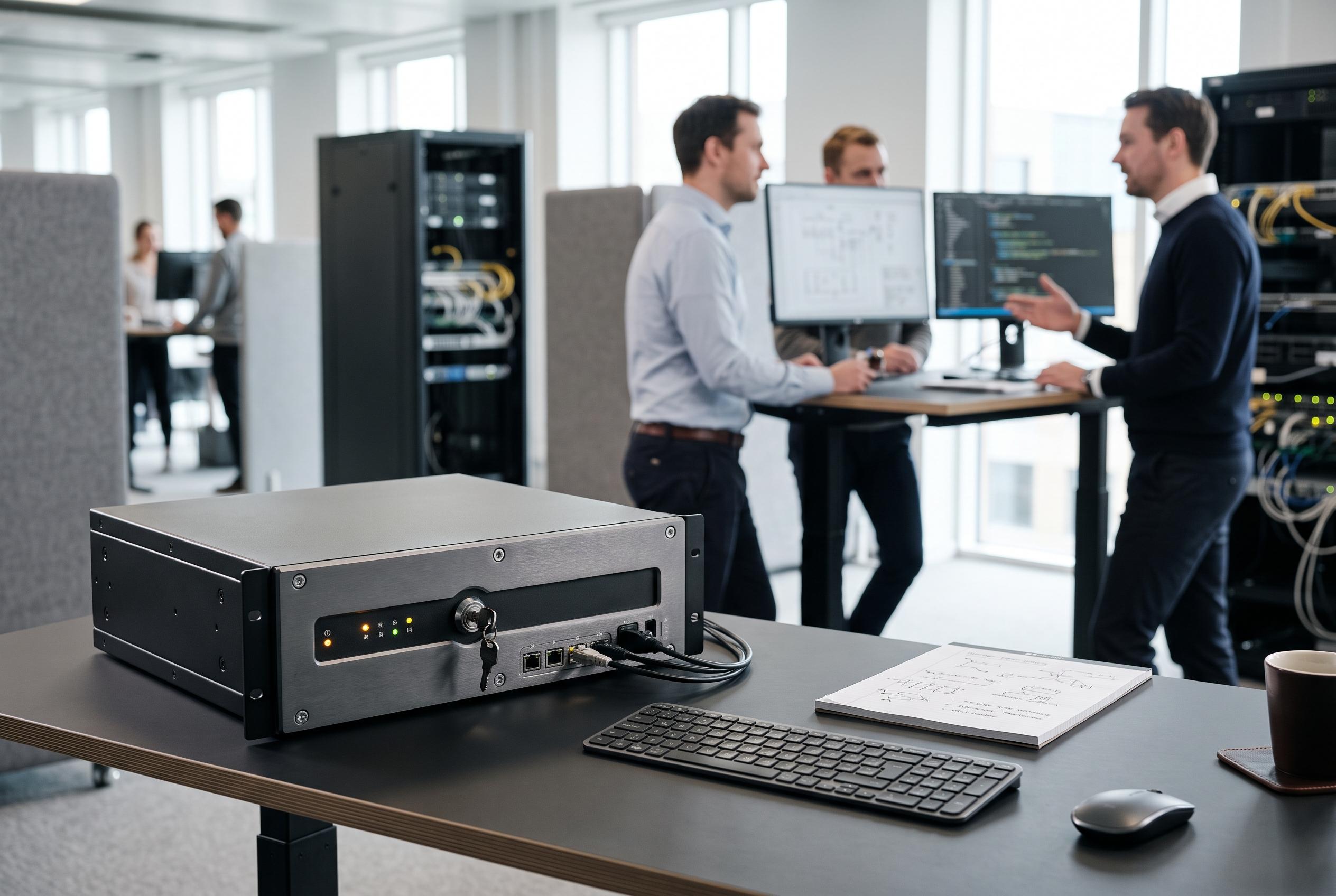

Microsoft is open-sourcing its integrated HSM architecture, firmware and build tools through Project Tessera, with collaborators including Marvell, Oracle and the Open Compute Project.
Microsoft has opened its integrated hardware security module stack to outside scrutiny and reuse with Project Tessera, a move that aims to make key protection more portable across cloud and confidential-computing systems. According to Microsoft’s announcement at the Open Compute Project Global Summit, the project turns the company’s Azure Integrated HSM architecture, specifications, drivers, firmware and reproducible build environment into open source, with Marvell, Oracle and the Open Compute Project among the collaborators.
The technical case for the effort is straightforward: centralised HSM deployments can create latency, availability and operational bottlenecks, especially when teams work around them by caching keys or shifting cryptographic functions into software. Microsoft says Tessera is designed to keep cryptographic operations closer to the workloads that use them, while protecting keys throughout their lifecycle. The company also claims the architecture can support thousands of post-quantum key operations per second, reflecting an emphasis on both scale and next-generation cryptography.
At the same summit, Microsoft and Marvell demonstrated partition cloning and resiliency between Tessera and Marvell’s LiquidSecurity 2 HSM. Marvell positions LiquidSecurity 2 as a high-capacity, multi-tenant cloud HSM platform with hardware-backed storage for large key inventories and support for multiple isolated partitions, which makes it a natural partner for interoperability testing. Microsoft says Tessera’s protocol design uses post-quantum cryptography to secure communications while keeping non-extractable keys inside the participating HSMs.
The project is also being extended beyond dedicated HSM appliances into confidential-computing environments. Microsoft says a stripped-down Tessera firmware stack is being made available for hardware-isolated systems, including platforms using AMD SEV-SNP, so that the same firmware and programming model can be used where integrated HSM hardware is not present. The company says this approach will broaden support to other confidential-computing architectures, signalling that Tessera is intended as a wider security framework rather than a single appliance design.
Disclaimer: This content is intended for informational purposes only. Readers are advised to exercise their own judgement, conduct due diligence, or consult a qualified expert before acting on any information provided.



