

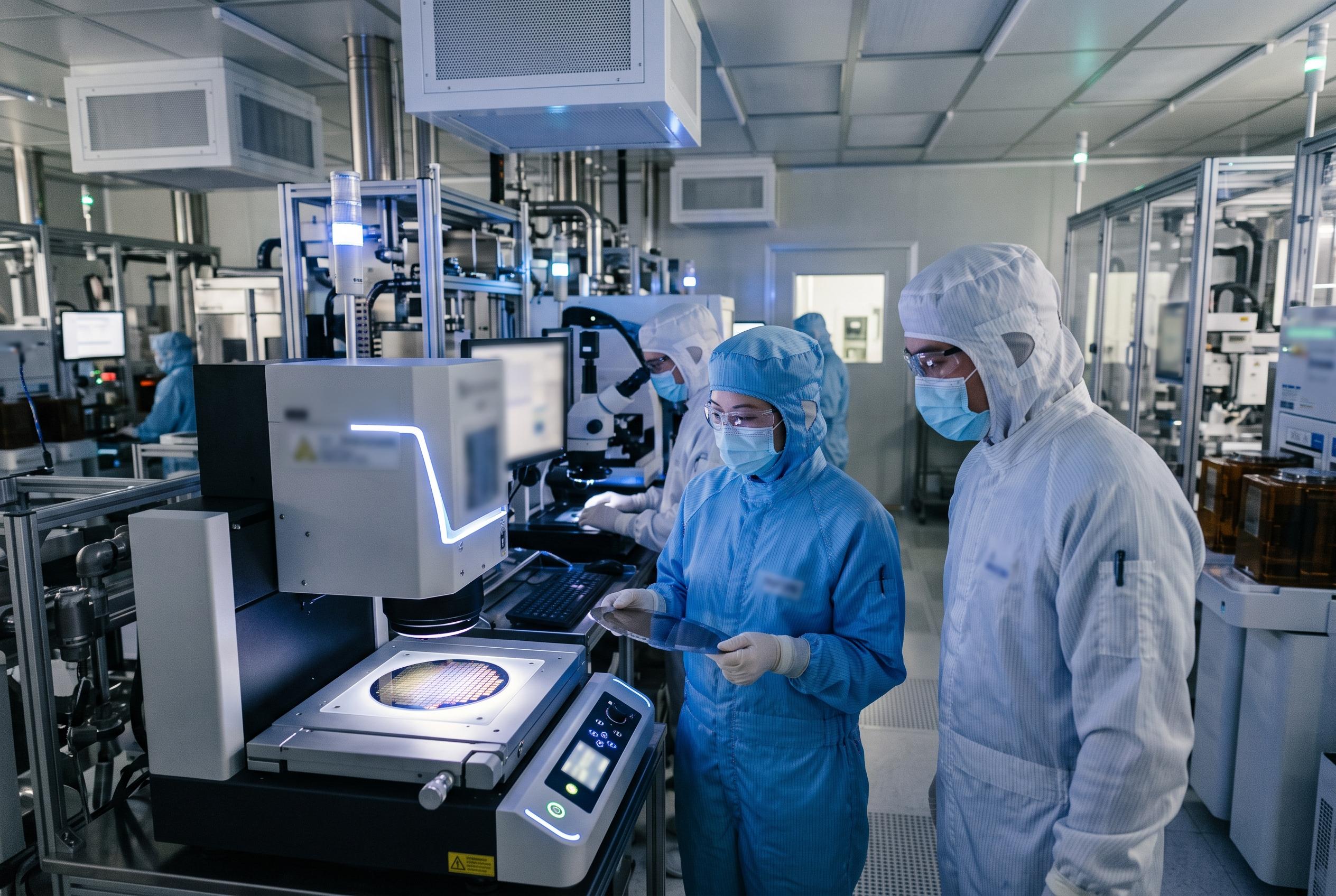

Elon Musk says his Texas chip project will accelerate design-to-production cycles, with Tesla, SpaceX and xAI aiming to test far more designs than established manufacturers.
Elon Musk has said his companies are aiming to shorten the time it takes to move from chip concept to production, arguing that faster design cycles could give them an edge in semiconductor manufacturing. Speaking at the X Takeover event in Austin, Texas, he said the objective was to test far more chip designs each year than is typical in the industry, even if many of those experiments failed.
Musk acknowledged that he has “no idea how to make microchips” today, but said his teams’ experience with highly customised equipment could help them close the gap. He said visits to rival facilities had not shown him the same depth of bespoke manufacturing machinery, which he believes his businesses are better placed to develop. In his view, that capability could eventually allow them to build chips more effectively than established players, although he conceded it may take years.
The ambition sits against the reality of one of the most difficult sectors in manufacturing. Advanced semiconductor production depends on specialised tools, materials and process control, and leaders such as Taiwan Semiconductor Manufacturing Co have spent decades refining those capabilities while investing tens of billions of dollars a year. Musk said current industry timelines are too slow, arguing that a normal chip design cycle can take roughly two years from initial concept to mass production, and that he wants to compress that to something closer to 10 designs a year.
That goal is linked to Terafab, the chip project Musk has been building out in Texas with Tesla, SpaceX and xAI. Tom’s Hardware reported that Musk has now formally launched the project, which is planned for eastern Travis County and is intended to bring design, fabrication, packaging and testing into a single operation. The companies have said the factory would be developed in phases on a site of roughly 3,000 acres, with plans for more than 100 million square feet of manufacturing space and at least 3,000 jobs.
The funding and partner structure are still evolving. TechCrunch reported that Tesla and SpaceX committed an initial $16.8 billion to begin construction, while the Texas Enterprise Fund is providing a $30 million grant. Tom’s Hardware also reported that Intel chief executive Lip-Bu Tan has confirmed Intel’s involvement, with the Terafab project expected to use Intel’s upcoming 14A process technology under a licensing arrangement once it is ready. Musk has separately dismissed speculation that TSMC would take over the facility, saying instead that TSMC could potentially sublease part of the site, while other reports say he has discussed a collaboration with TSMC. The practicalities of that idea remain unclear.
The broader push reflects Musk’s view that chip supply will be a constraint on the next phase of growth in AI, robotics and space systems. One account says Terafab is intended to serve only Tesla, SpaceX and xAI, rather than the wider market, and to give Musk greater control over the pace at which new hardware reaches production. That aligns with his description of the project as a way to accelerate iteration, not merely expand capacity. Tesla also reported stronger-than-expected third-quarter vehicle deliveries on Friday, adding to a run of capital-intensive plans that includes more than $25 billion of spending this year on factories and robotaxi development.
Disclaimer: This content is intended for informational purposes only. Readers are advised to exercise their own judgement, conduct due diligence, or consult a qualified expert before acting on any information provided.



