
Global TV shipments experienced a modest 4% decline in June 2026, but the rapid growth of OLED panels and evolving strategies by Samsung and TCL signal a significant shift in the sector’s competitive landscape, with price and technology innovations redefining market leaders.
Global TV shipments fell 4% year on year in June 2026, but the wider second-quarter picture was almost flat, suggesting the market has not entered a broad downturn. According to the industry data, the monthly decline was partly distorted by early purchases tied to World Cup promotions, which pulled demand forward into April and left weaker shipment figures later in the quarter.
The sharper story is in LCD, where Samsung and TCL are running almost level. In June, TCL accounted for 13.8% of global shipments, just ahead of Samsung on 13.7%, a gap so small it is effectively statistical noise. Both groups are using different product strategies to protect share: Samsung is pushing RGB backlighting further down its range, while TCL is leaning heavily on SQD Mini LED across several model families and reserving RGB Mini LED for larger premium sets.
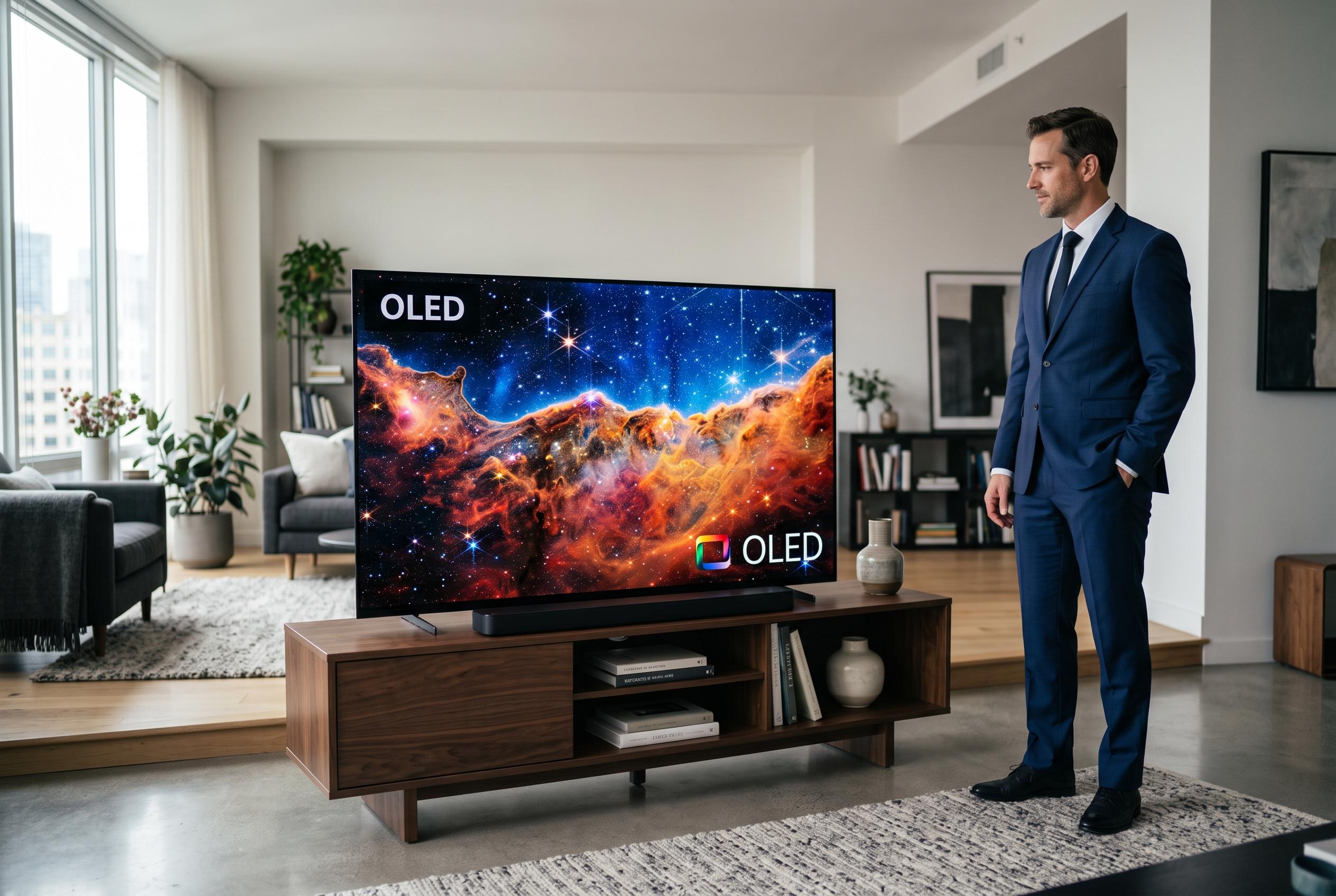
OLED remains the faster-growing part of the market. Shipments rose 12% in June and 20% across the second quarter, with LG Electronics still controlling more than half of the category. That leadership matters because price, rather than just panel performance, is becoming the key battleground. LG Display is trying to reduce WOLED costs through a new tandem structure, following earlier work to remove the polariser from WOLED SE panels.
That cost pressure comes at a time when Samsung is making clearer progress in premium TV. Separate first-quarter 2026 figures from Korean and industry sources show Samsung narrowing the gap with LG in OLED TVs, lifting its share to 40.1% versus LG’s 46.5%. Counterpoint Research also said Samsung held 17% of the broader TV market in the quarter, while TCL rose to 14%, cutting the distance between the two brands to about 2.8 percentage points. For buyers and rivals alike, the immediate question is whether lower-cost OLED panels can change pricing enough to challenge the momentum behind Mini LED LCD sets.
Disclaimer: This content is intended for informational purposes only. Readers are advised to exercise their own judgement, conduct due diligence, or consult a qualified expert before acting on any information provided.