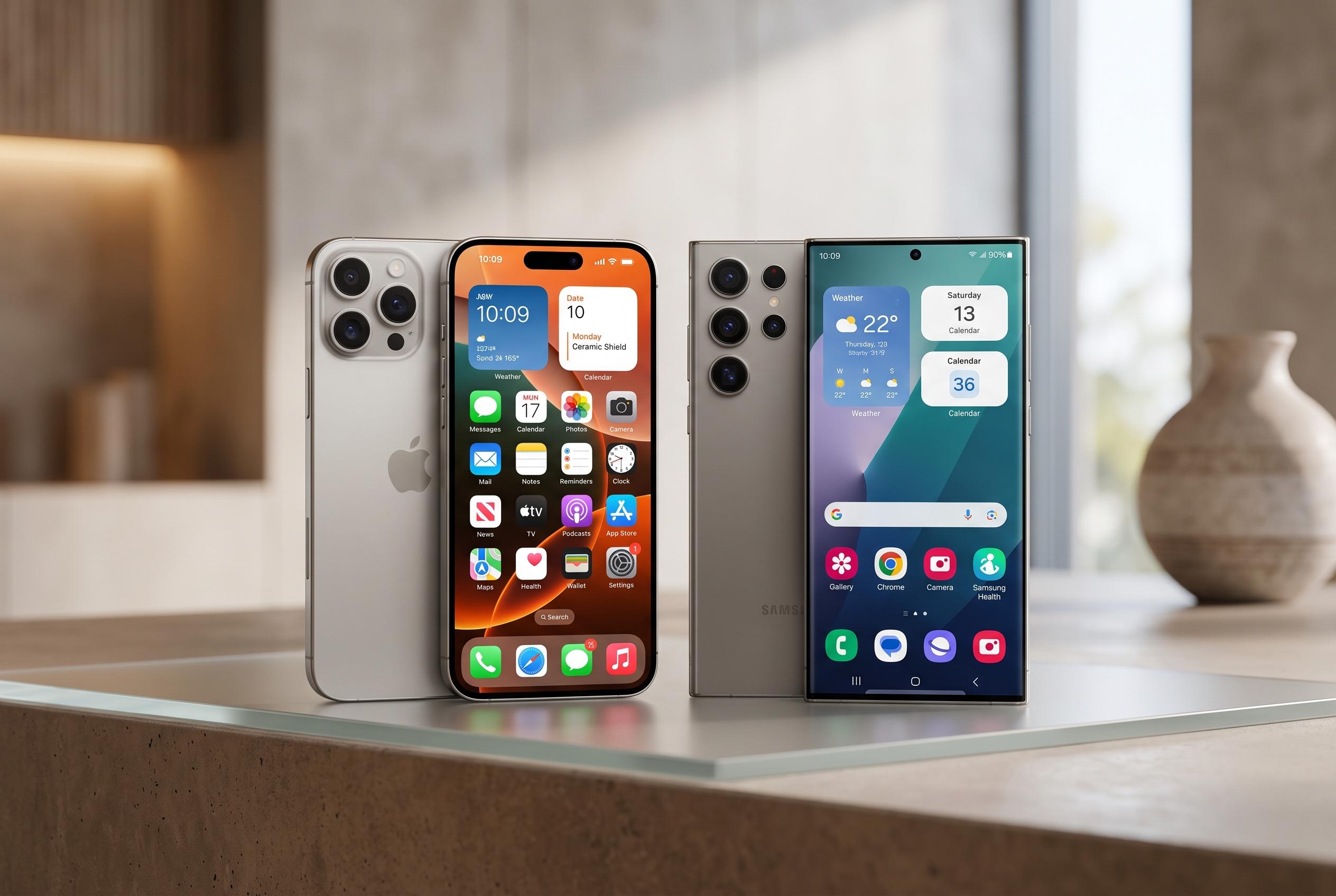

Despite falling global shipments and rising component costs, Apple and Samsung further strengthened their hold on the premium smartphone segment in 2026, driven by innovative financing schemes and brand loyalty.
Samsung and Apple continued to dominate the premium smartphone market in the first half of 2026, even as the wider handset industry came under pressure from weaker demand and higher component costs. Counterpoint Research said premium smartphone sales rose 5% year on year in the period, lifting premium devices’ share of the overall market from 25% to 29%. The trend reflects a market that is becoming more concentrated at the top end, where buyers are proving less sensitive to price than in the mid-range and budget segments.
Apple remained the clear leader in premium phones, with Counterpoint putting its share at 65%. Samsung held second place with 19%, and still managed 3% annual growth despite launching the Galaxy S26 family later than expected. That point matters because Samsung’s flagship line remains one of the company’s main tools for defending its position against Apple, which has also been expanding its lead in some market trackers. Counterpoint separately reported that Apple led the global smartphone market in the first quarter of 2026 with a 21% share, helped by strong iPhone 17 sales, while Samsung also held 21%.
The premium segment’s resilience appears to be linked not just to brand strength but to financing and trade-in economics. Counterpoint said upgrade programmes, instalment plans and buyback schemes have helped consumers justify larger purchases. Samsung has widened its Galaxy Forever programme in several markets, making high-end devices easier to access. At the same time, the sharp rise in memory chip prices has hit lower-priced phones harder because their margins are thinner, while premium brands can absorb more of the added cost.
That split is increasingly important as the broader market weakens. Counterpoint and other industry trackers have pointed to falling shipments, with one report from Gadgets 360 saying global smartphone shipments dropped 6% year on year in the first quarter of 2026. IDC, however, offered a different ranking for that quarter, placing Samsung narrowly ahead of Apple. Even with those differences, the underlying picture is consistent: the market remains fiercely contested at the top, while the premium tier is taking a growing share of total sales.
Disclaimer: This content is intended for informational purposes only. Readers are advised to exercise their own judgement, conduct due diligence, or consult a qualified expert before acting on any information provided.