

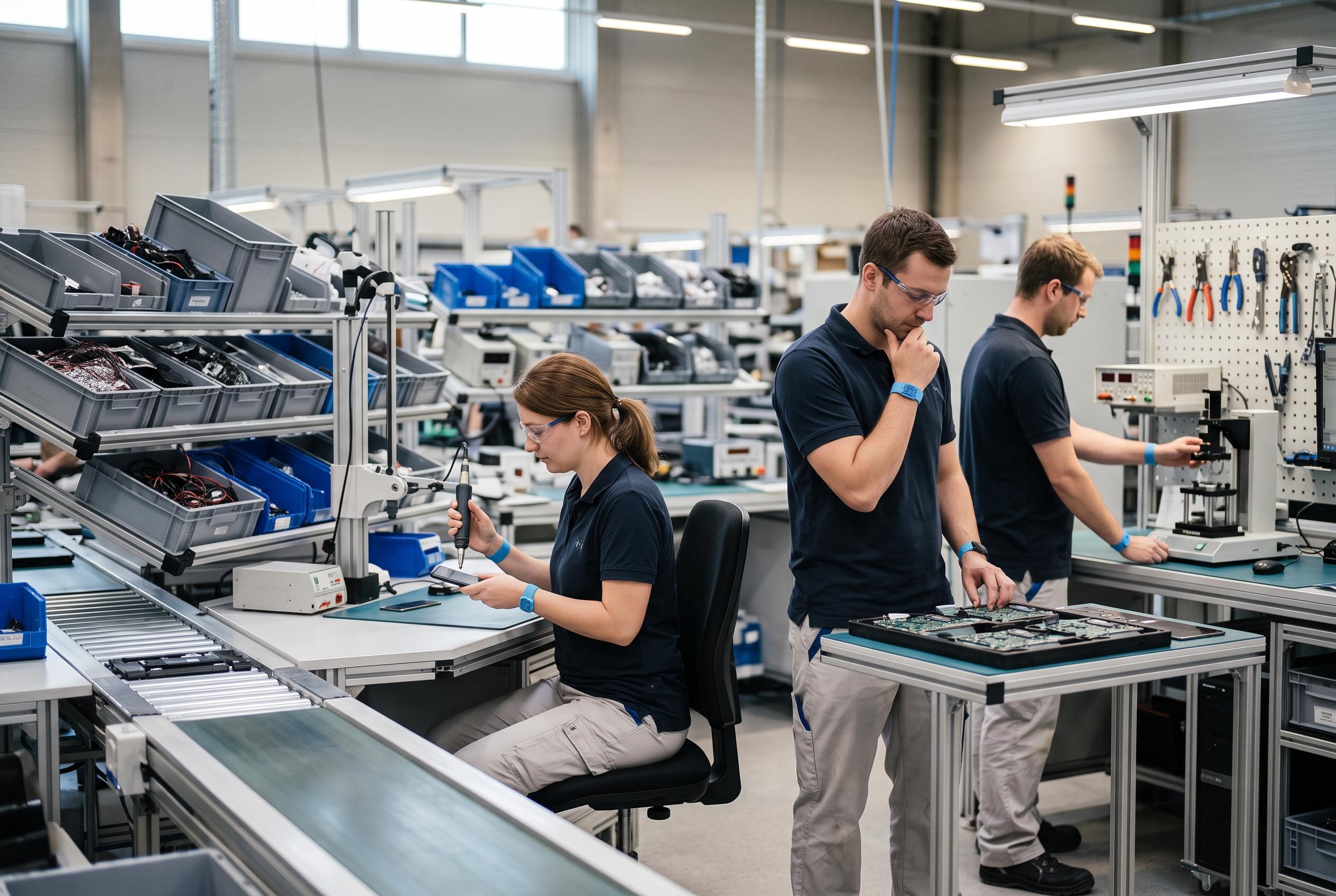

Samsung is reportedly asking suppliers to reduce smartphone production by up to 30% in the final quarter of 2026 as soaring memory prices squeeze mobile margins.
Samsung Electronics is reportedly preparing a substantial cut in smartphone output in the final quarter of 2026 as surging memory-chip costs squeeze margins across its mobile business. Money Today, the South Korean publication cited in several reports, said Samsung’s Mobile Experience division has told suppliers to trim production by roughly 20% to 30% in the quarter, a sharper adjustment than the company had previously signalled internally. Samsung has not confirmed the figure.
The reported move comes as DRAM prices climb rapidly, increasing the cost of building handsets at a pace manufacturers can struggle to offset through higher retail prices. Money Today, as quoted in market commentary, said the contract price of 12GB LPDDR5X memory reached about $145 to $146 in the second quarter of 2026, up roughly 175% from a year earlier, with further increases expected. TrendForce’s pricing data, also cited in these reports, points to a market in which memory has become one of the most expensive components in a modern smartphone.
The pressure is especially awkward for Samsung because it sits on both sides of the market. Reuters reported on 8 October that the company was on track for record quarterly operating profit, helped by strong demand for AI-related memory chips. Yet the same surge is raising costs for its own handset division. That leaves Samsung trying to maximise gains in semiconductors while limiting damage in mobile, where thinner margins make it harder to absorb extra component expense. Industry commentary cited by Android Central and other outlets suggests the company may also be prioritising premium models while cutting back lower-margin devices.
If the reduction is carried through, Samsung’s full-year smartphone production could end up well below earlier plans. Several reports say the internal target had been around 270 million units, while revised estimates now point towards the 200-million range. That would mark a steep drop from the 240 million handsets Samsung made in 2025, according to industry coverage. Some of the quarter-on-quarter decline may still reflect normal seasonal slowing before the next Galaxy S launch, but the scale of the reported cut suggests more than routine inventory management.
The wider market is facing similar strain. Reuters reported on 12 October that global smartphone shipments fell 20% year on year in the third quarter of 2026, with memory shortages and higher component costs among the factors weighing on demand. If memory prices remain elevated, manufacturers may have to raise prices further, reduce promotions, or shift even more decisively towards premium devices. For Samsung, the immediate challenge is whether it can protect profitability in mobile without weakening its position in a market already showing signs of stress.
Disclaimer: This content is intended for informational purposes only. Readers are advised to exercise their own judgement, conduct due diligence, or consult a qualified expert before acting on any information provided.



