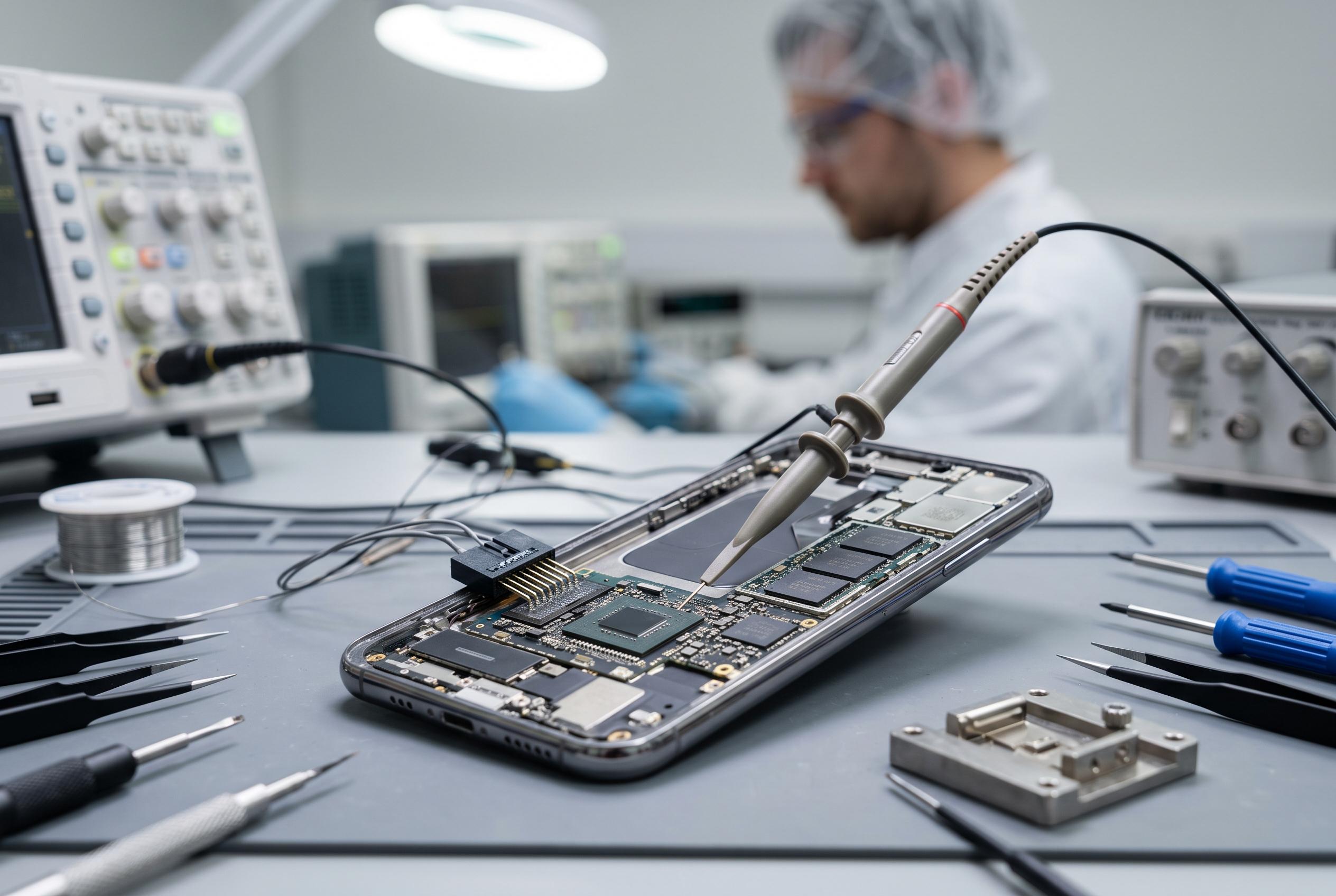

Samsung Electronics becomes the first to validate LPDDR6 memory on Qualcomm’s latest Snapdragon platform, foreshadowing a new wave of AI-enabled flagship smartphones and higher memory demands for the mobile industry.
Samsung Electronics has said it has become the first company to validate LPDDR6 memory on Qualcomm’s latest flagship mobile platform, a step that underlines how quickly handset makers are preparing for heavier on-device AI workloads. The company said its 16GB LPDDR6 module reached transfer speeds of up to 10.7Gbps on the Snapdragon 8 Elite Extreme Gen 6 Mobile Platform, marking the first such validation on Qualcomm’s next-generation system. According to Samsung, the result reflects tighter co-operation with Qualcomm on performance, power efficiency and reliability for premium smartphones.
The timing matters because smartphone memory demands are rising even as overall shipment growth remains subdued. Industry data from Omdia shows global smartphone shipments rose only 0.5% in the first quarter from a year earlier, while total DRAM content in phones increased 6.1% and average memory per device climbed from 7.8GB to 8.3GB. Counterpoint Research expects generative AI smartphones to account for 45% of shipments this year, up from 36% last year, and to pass the halfway mark in 2026. That shift is likely to increase pressure on memory suppliers to deliver higher capacity without sacrificing battery life.
Qualcomm’s new premium platform is built around its latest Oryon CPU, Adreno GPU and Hexagon NPU, and is positioned around agentic AI features, gaming and imaging improvements. Qualcomm said devices based on the chip will appear in flagship phones from several major brands, including HONOR, iQOO, Motorola, OnePlus, OPPO, REDMI, RedMagic, vivo and Xiaomi. Samsung’s validation suggests LPDDR6 is being readied for that next wave of handsets rather than treated as a distant standard.
Samsung has already used early validation programmes to push previous memory generations into the market, including LPDDR5X work with Qualcomm in 2022 and a 10.7Gbps LPDDR5X milestone with MediaTek in 2024. The company said it has also been involved in LPDDR6 development and JEDEC standardisation, and that the Qualcomm result should help accelerate adoption in future flagship phones. Omdia expects LPDDR6 to expand sharply from 2027, rising from 3% of LPDDR shipments that year to 39% by 2030, while Samsung remains the largest supplier in mobile DRAM with a 43% revenue share in the first quarter, according to the market researcher.
Disclaimer: This content is intended for informational purposes only. Readers are advised to exercise their own judgement, conduct due diligence, or consult a qualified expert before acting on any information provided.