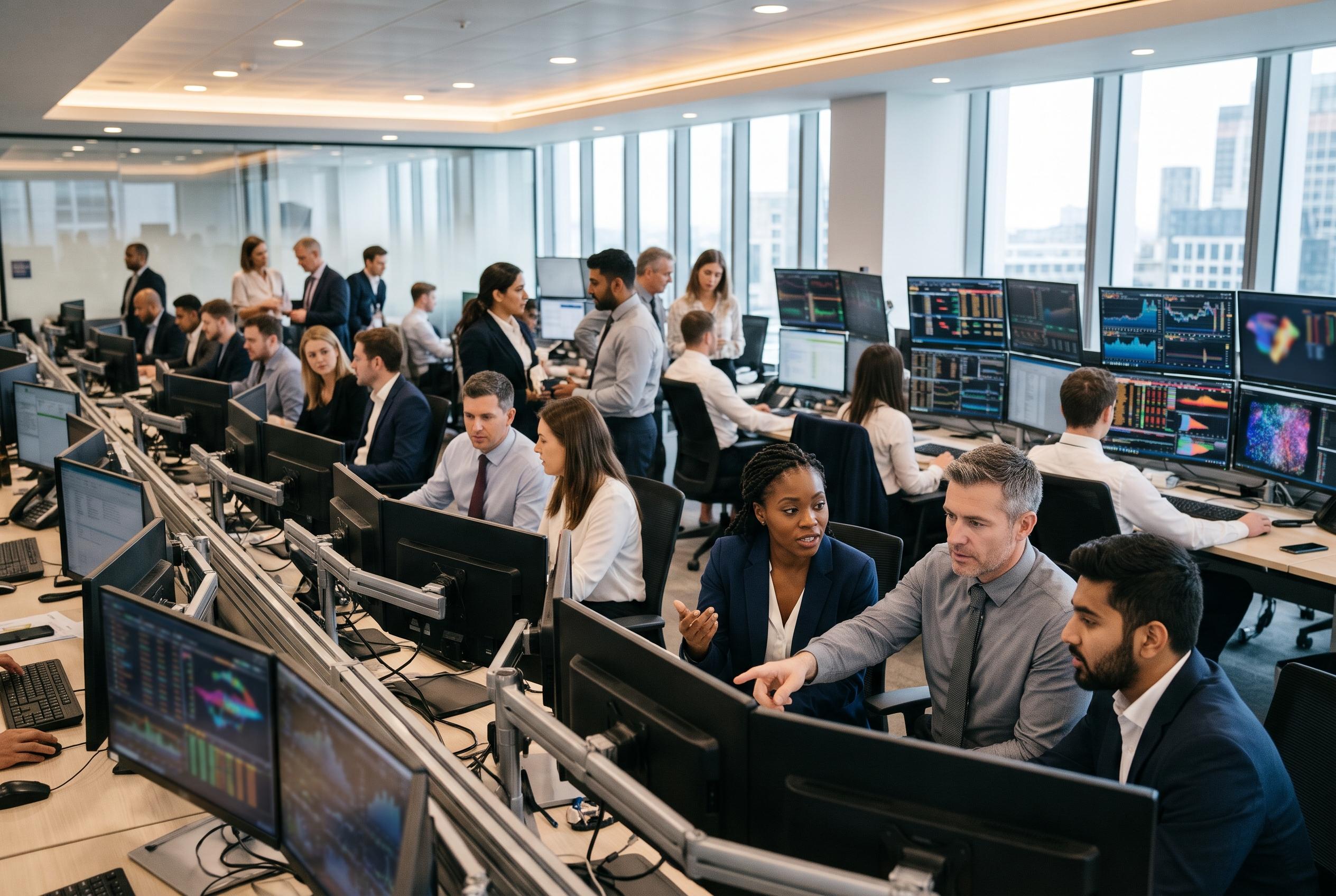

India’s markets regulator is considering a domestically developed AI model for the securities industry as it seeks tighter control over data, accountability and reliance on frontier systems.
India’s markets regulator is weighing whether to build a securities-market-specific artificial intelligence model that could be developed and overseen domestically, as officials look for a way to reduce dependence on frontier AI systems whose behaviour, availability and data handling can be harder to control. Speaking at the Business Standard BFSI Insight Summit 2026, Sebi chairman Tuhin Kanta Pandey said such a system could operate as a form of digital public infrastructure for the securities market.
Pandey argued that AI is already changing how investors reach markets and how financial firms supervise risk, manage operations and detect unusual patterns. But he said wider adoption of the technology would only be sustainable if regulators and institutions can rely on robust data, strong model governance and clear lines of accountability. As he put it, “Using AI will require reliable data, effective model oversight, and clarity about who is accountable for decisions.”
The remarks build on Sebi’s earlier push for tighter controls around AI in the securities industry. In June 2025, the regulator proposed guidelines for the supervision and governance of AI and machine learning applications used by market participants, covering issues such as investor protection, disclosure, testing, fairness, bias, data privacy and cybersecurity. That consultation paper also sought more explicit oversight of AI and ML tools used in algorithmic trading, asset management, portfolio management and advisory services.
Pandey said Sebi is now working to apply the International Organization of Securities Commissions’ supervisory toolkit for AI to the Indian market. IOSCO published its toolkit in May 2026 to help regulators oversee the growing use of machine learning, generative AI and emerging agentic systems in capital markets, with particular attention to transparency, governance, third-party dependencies and the opacity of black-box models. Sebi’s effort would sit alongside a broader technology roadmap for market infrastructure institutions, intended to map out both short-term and long-term priorities for the market ecosystem.
Cyber resilience was another major theme of Pandey’s address. He said the increasing interdependence between exchanges, depositories, service providers and other institutions made business continuity, cyber readiness and oversight of outsourced functions essential to market stability. Sebi has proposed extending its information technology and cybersecurity framework for market infrastructure institutions to their subsidiaries, and it is also planning a training programme with the Rashtriya Raksha University and the National Institute of Securities Markets for engineers working in security operations centres. The programme is intended to help staff use AI tools to analyse alerts, automate responses and strengthen cyber defence. Pandey said the regulator’s recent measures had improved resilience, but warned that the pace of technological change meant the industry would need to keep adapting its controls.
Disclaimer: This content is intended for informational purposes only. Readers are advised to exercise their own judgement, conduct due diligence, or consult a qualified expert before acting on any information provided.