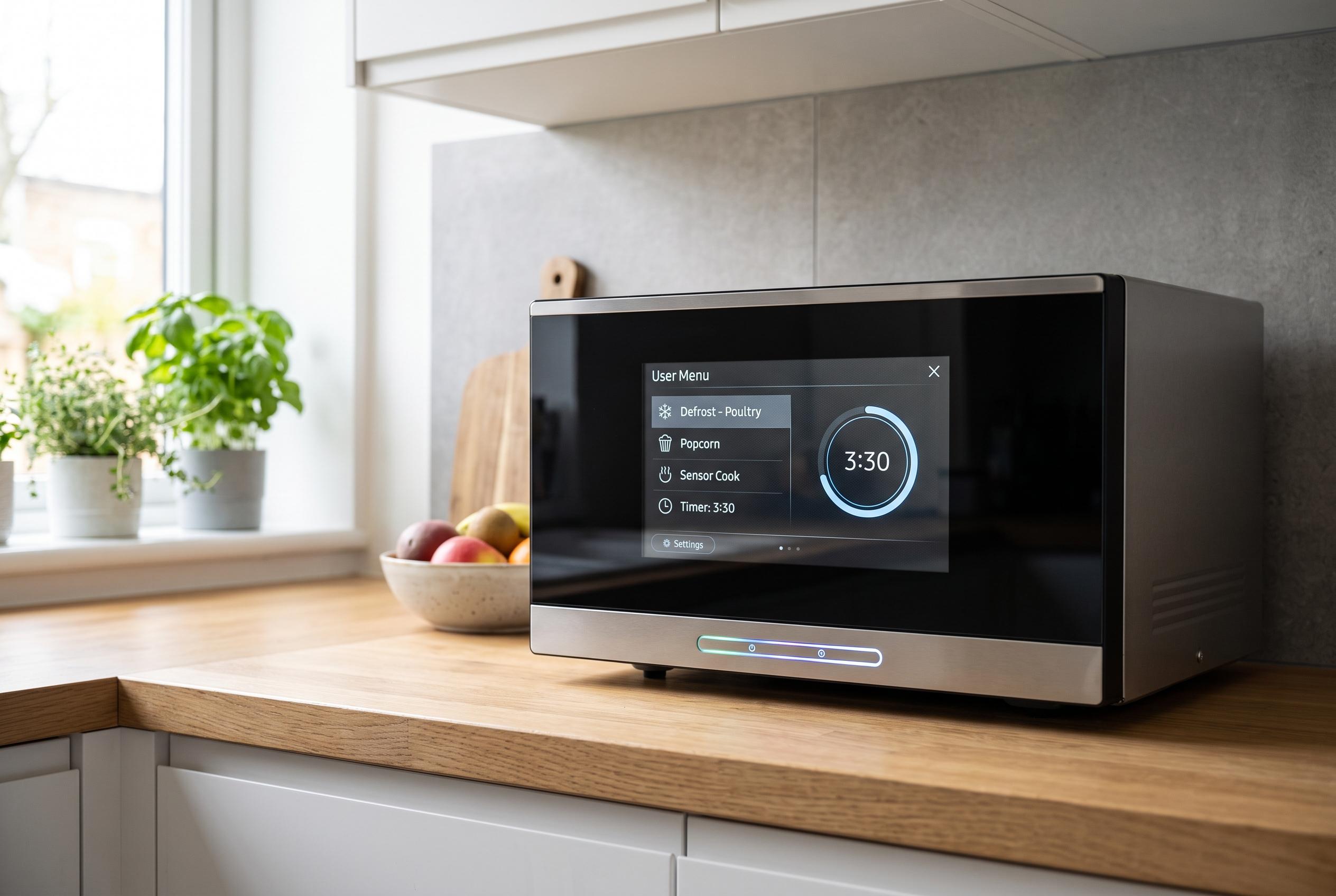

The microwave oven market is projected to hit USD 20 billion by 2031, propelled by smart technology integration, evolving consumer lifestyles, and increasing demand for compact, energy-efficient appliances worldwide.
The global microwave oven market is set to expand steadily over the next five years, with Mordor Intelligence estimating that it was worth USD 15.60 billion in 2025 and will reach USD 20.09 billion by 2031. The report puts the compound annual growth rate at 4.31%, with replacement purchases, kitchen renovation, changing household structures and wider use of smart-home appliances all supporting demand.
That growth reflects a broader shift in how consumers use appliances. According to Mordor Intelligence, microwave ovens remain attractive because they deliver fast heating and cooking while taking up less space than conventional equipment. In mature markets, much of the demand now comes from replacing older units with higher-specification models. In emerging markets, urbanisation, rising incomes and smaller households are helping more buyers choose compact and versatile appliances. A separate Mordor Intelligence briefing on the US market says smart-home adoption, especially in technology-focused cities, is also making microwaves a point of entry for broader kitchen digitisation.
Convenience remains central to the category’s outlook. Mordor Intelligence says demand for ready-to-eat meals and quick food preparation continues to support household purchases, while restaurants, hospitals, foodservice operators and ghost kitchens create a separate commercial market. The report also notes that manufacturers are adding connected functions, automated programmes, diagnostics and sensor-based cooking to premium models, as smart kitchens become more common. Another industry analysis from Grand View Research points to changing consumer lifestyles as a major driver of microwave adoption, while Future Market Insights highlights the growing importance of multi-functionality and energy-efficient designs.
Product structure continues to split the market along practical lines. Countertop models remain popular for portability and ease of installation, while built-in and over-the-range designs appeal to households focused on integrated kitchen layouts. Mordor Intelligence also breaks the market down by product type, control format, capacity, application and channel, showing how manufacturers are tailoring ranges for different household sizes and commercial users. The report lists Samsung, LG, Whirlpool, Panasonic, Midea, Galanz, Sharp, Electrolux, Haier and Bosch among the leading competitors, with brand strength increasingly shaped by connected features, energy performance, distribution reach and after-sales support.
Disclaimer: This content is intended for informational purposes only. Readers are advised to exercise their own judgement, conduct due diligence, or consult a qualified expert before acting on any information provided.