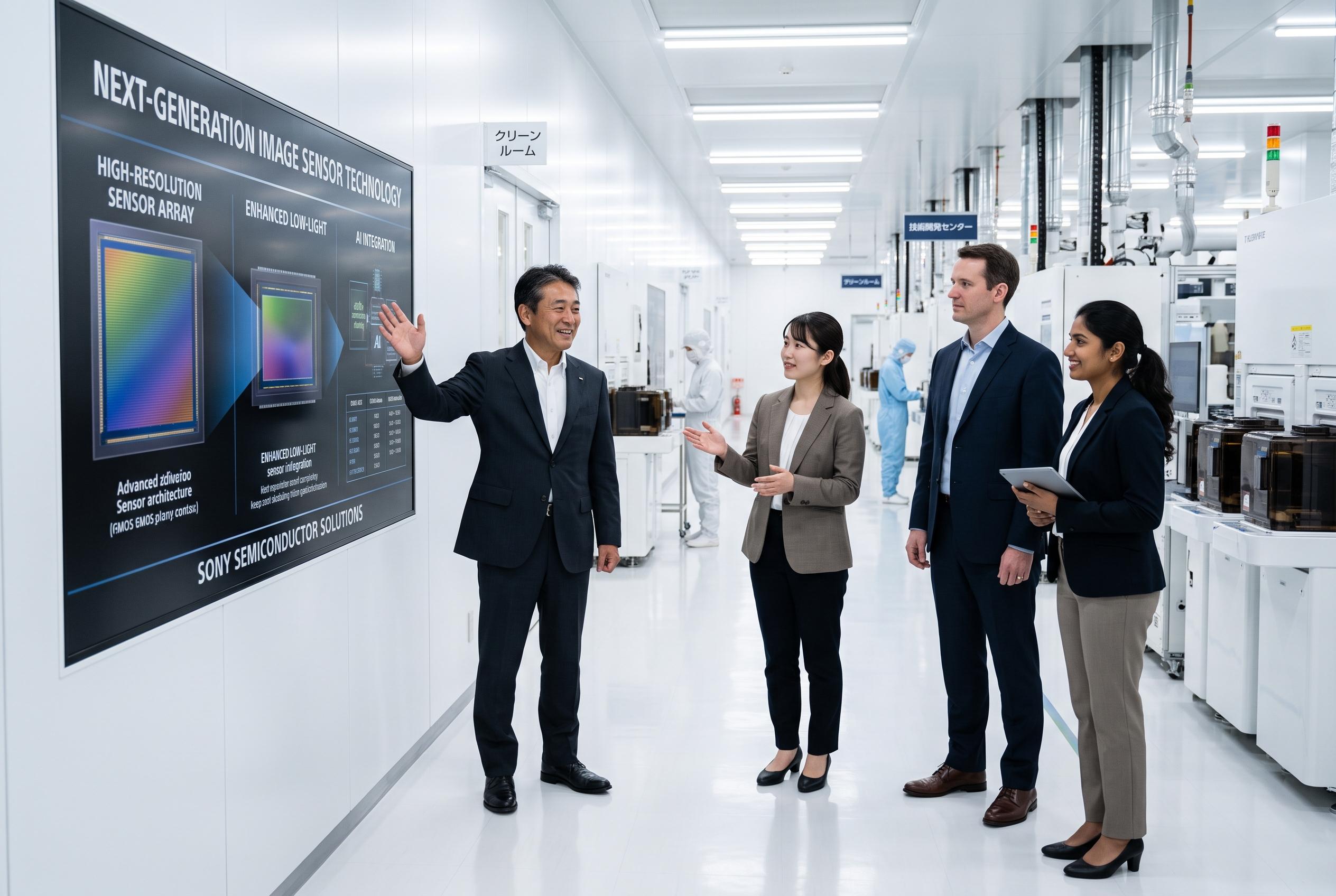

Taiwan Semiconductor Manufacturing Company has approved substantial investments and a strategic joint venture with Sony in Japan, marking a significant step in its expansion into next-generation image-sensor technology amid continued demand for advanced chips.
Taiwan Semiconductor Manufacturing Company has approved a broad package of decisions at its latest board meeting, including second-quarter results, a cash dividend, almost $30bn in capital spending and the formation of a joint venture with Sony Semiconductor Solutions in Japan. The move underlines how TSMC is pushing ahead with both its core manufacturing expansion and a deeper role in next-generation image-sensor production.
According to the company’s filing, second-quarter consolidated revenue came to about NT$1.27tn, with net profit of roughly NT$706.6bn and earnings per share of NT$27.25. The board also approved a cash dividend of NT$7 per share for the quarter. The ex-dividend date is set for December 10, with payment due on January 7, 2027. Eligible foreign shareholders will be able to choose to receive dividends in US dollars, reflecting a recent regulatory change in Taiwan.
TSMC also sanctioned capital expenditure of about $29.4bn to fund advanced-node capacity, advanced packaging, mature and speciality processes, as well as factory construction and supporting infrastructure. The company said the spending reflects expected demand, its technology road map and long-term capacity planning. For a group already stretched by demand for leading-edge chips, the scale of the commitment signals that it still sees little room to slow investment.
The clearest strategic shift is in Japan. TSMC and Sony Semiconductor Solutions have now moved beyond their earlier memorandum of understanding and signed a definitive agreement to create Advanced Vision Semiconductor Manufacturing Corp in Koshi, Kumamoto prefecture. Sony will be the majority shareholder and controlling party, while TSMC will contribute process technology and manufacturing know-how. The two companies plan to develop and produce next-generation image sensors, with mass production targeted for 2029, subject to regulatory approval, construction progress and market conditions. Sony and TSMC had first outlined the partnership in May, saying it would also examine applications in physical artificial intelligence such as automotive and robotics.
Disclaimer: This content is intended for informational purposes only. Readers are advised to exercise their own judgement, conduct due diligence, or consult a qualified expert before acting on any information provided.