

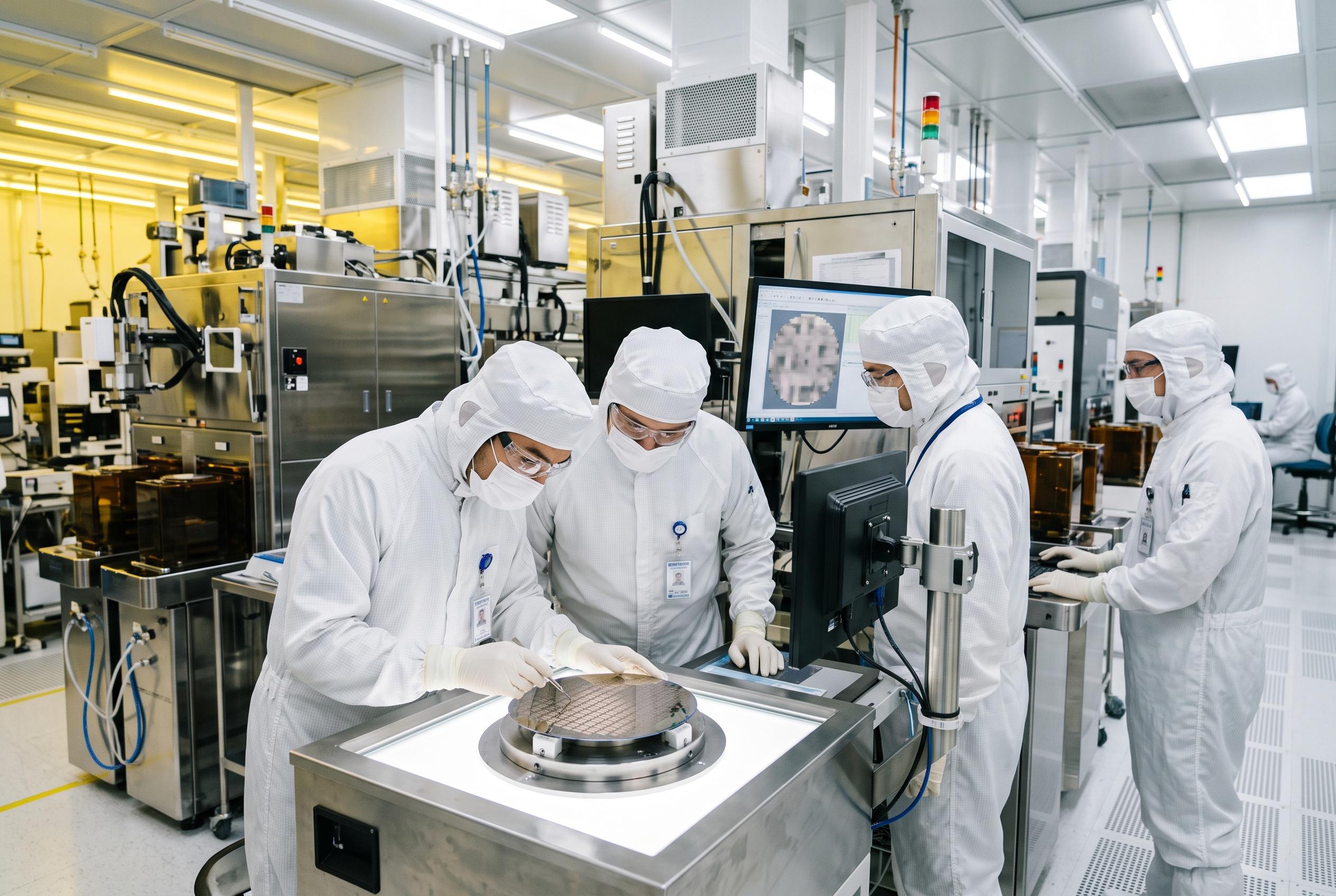

TSMC’s record third-quarter results and upgraded outlook show that demand for advanced AI hardware remains ahead of the world’s biggest contract chipmaker’s capacity.
TSMC has posted another exceptional quarter, extending a run of record results that has turned the foundry into the clearest barometer of the AI hardware cycle. The Taiwan-based chipmaker reported third-quarter 2026 revenue of $46.87bn, up 41.1% from a year earlier, while net profit rose by almost 70% to roughly NT$763bn. The figures exceeded market expectations and reinforced the view that demand for advanced chips remains stronger than many investors had anticipated.
Chief executive C.C. Wei told investors that demand for TSMC’s leading-edge technologies remains “extremely robust” and still sits “far above our capability today to supply”. That message matters because it comes from the company that sits at the centre of global AI chip production. TSMC does not disclose a separate AI revenue line, but its High Performance Computing business, which includes the accelerators and data centre chips used by firms such as Nvidia and AMD, accounted for 68% of sales in the quarter.
The company’s outlook suggests the pressure on capacity is unlikely to ease soon. TSMC said fourth-quarter revenue could reach as much as $54.3bn, while full-year 2026 sales are now expected to grow by about 44% in US dollar terms. It also said capital expenditure from 2026 through 2028 will be significantly higher than in the previous three years, signalling a long investment cycle rather than a short-lived surge. TSMC has also said it expects AI-accelerator revenue to rise at a mid-to-high-fifties annual rate between 2024 and 2029.
The drivers of that growth are shifting as the AI market evolves. TSMC said demand is being supported not just by chatbot-style products, but also by the rising use of agentic AI and open-source models. The distinction is important: agentic systems can chain together multiple reasoning and action steps, which typically increases compute requirements. In TSMC’s view, that change is helping to keep advanced capacity tight even as some analysts continue to question whether the AI build-out can sustain its pace.
The quarter also highlights the strain spreading through the wider semiconductor supply chain. The same manufacturing bottlenecks that support TSMC’s record results are contributing to shortages and price pressure across other AI-related hardware, from high-end GPUs to memory products. That leaves Nvidia, AMD and a growing group of cloud providers and custom-silicon teams competing for limited access to TSMC’s most advanced production lines. For now, the message from the world’s largest contract chipmaker is clear: the AI demand wave has not yet reached a plateau.
Disclaimer: This content is intended for informational purposes only. Readers are advised to exercise their own judgement, conduct due diligence, or consult a qualified expert before acting on any information provided.



