
The US International Trade Commission has initiated a patent investigation into spatial audio features, potentially impacting Apple’s AirPods, Samsung devices, and Google products amid claims of patent infringement by BoomCloud 360.
The US International Trade Commission has opened a new patent probe that could put Apple, Samsung and Google under pressure over spatial audio features in some of their devices. The case was brought by BoomCloud 360, a US audio technology company, which says the products in question use inventions covered by its patents. The commission’s decision to investigate is not a finding of wrongdoing, but it does move the dispute into a formal trade enforcement process.
According to the USITC, BoomCloud 360 filed its complaint on 14 August and later supplemented it at the end of the month. The company is asking for a limited exclusion order and cease-and-desist orders, remedies that can block imports into the US and restrict sales of goods already in the country if infringement is ultimately proved. The commission said the case concerns whether certain electronic devices violate Section 337 of the Tariff Act of 1930, which covers unfair import practices.
The dispute centres on three US patents linked to spatial audio processing. Reports on the complaint say the patents cover methods for balancing spatial and non-spatial audio, handling differences between speakers, and reducing crosstalk with spectral correction. In practical terms, spatial audio is designed to make sound appear to come from different directions around the listener, rather than from a flat stereo field.
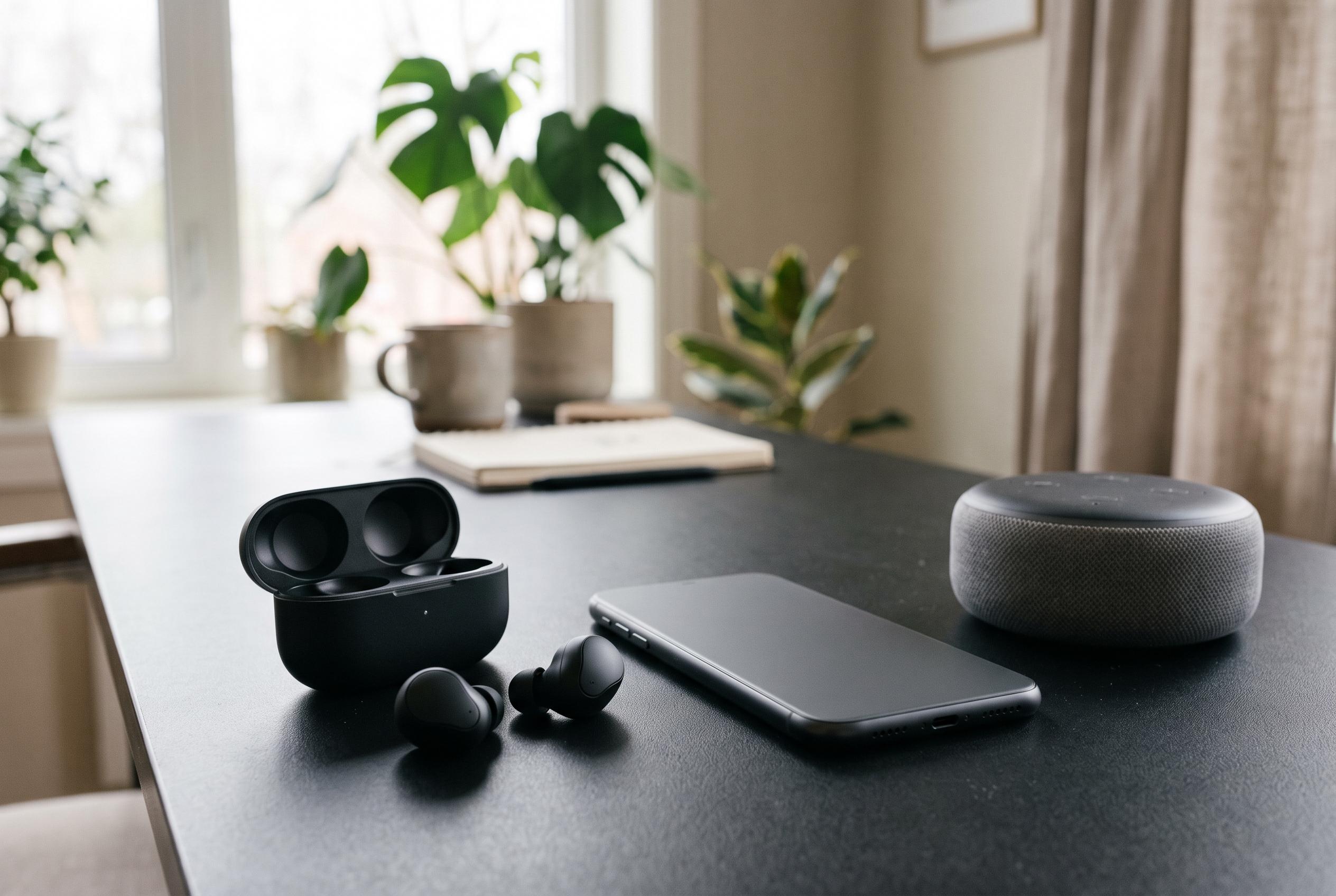
Devices that could be affected include smartphones, headphones, tablets and televisions, according to the reports. That has raised the possibility of pressure on products such as Apple’s AirPods line and Samsung handsets if the investigation ends in BoomCloud 360’s favour. For now, however, the case remains at an early stage, and no determination has been made on the merits of the allegations.
Disclaimer: This content is intended for informational purposes only. Readers are advised to exercise their own judgement, conduct due diligence, or consult a qualified expert before acting on any information provided.