
The wearable device market is transforming from fitness trackers to sophisticated health monitoring tools, with major tech firms vying to integrate consumer gadgets into the healthcare ecosystem, challenging regulatory hurdles and expanding clinical capabilities.
The consumer wearable market has moved well beyond step counts and calorie estimates. What began with the Fitbit Tracker in 2009 has evolved into a much larger business, now valued at about $44 billion globally, as Apple, Samsung and Google compete for a role in what may become a more lucrative goal: consumer devices that sit closer to the medical system. According to the Boston Globe, that shift is driving interest in smart watches, rings and bands that do more than record workouts.
The long-term ambition is not just fitness advice, but continuous health monitoring. Industry analyst Jitesh Ubrani of IDC told the Globe that the prize is to become part of the medical ecosystem, where hospital and doctor recommendations could make these devices far more valuable. In the more speculative version of that future, wearables become smaller, more powerful and more clinically useful, feeding data to doctors and AI systems that can flag illness earlier and support remote care.
That prospect is already shaping corporate strategy. Oura has taken a hard line in patent disputes, suing multiple rivals even as it positions its ring as a “health intelligence platform”, while Apple Watch faces its own litigation. Apple has linked with Epic Systems, Google has launched Google Health to combine Fitbit data with third-party records, and Samsung bought Xealth to help connect consumer-generated health information to hospital systems. Those moves suggest that the real contest is no longer only for consumer subscriptions, but for access to healthcare workflows.
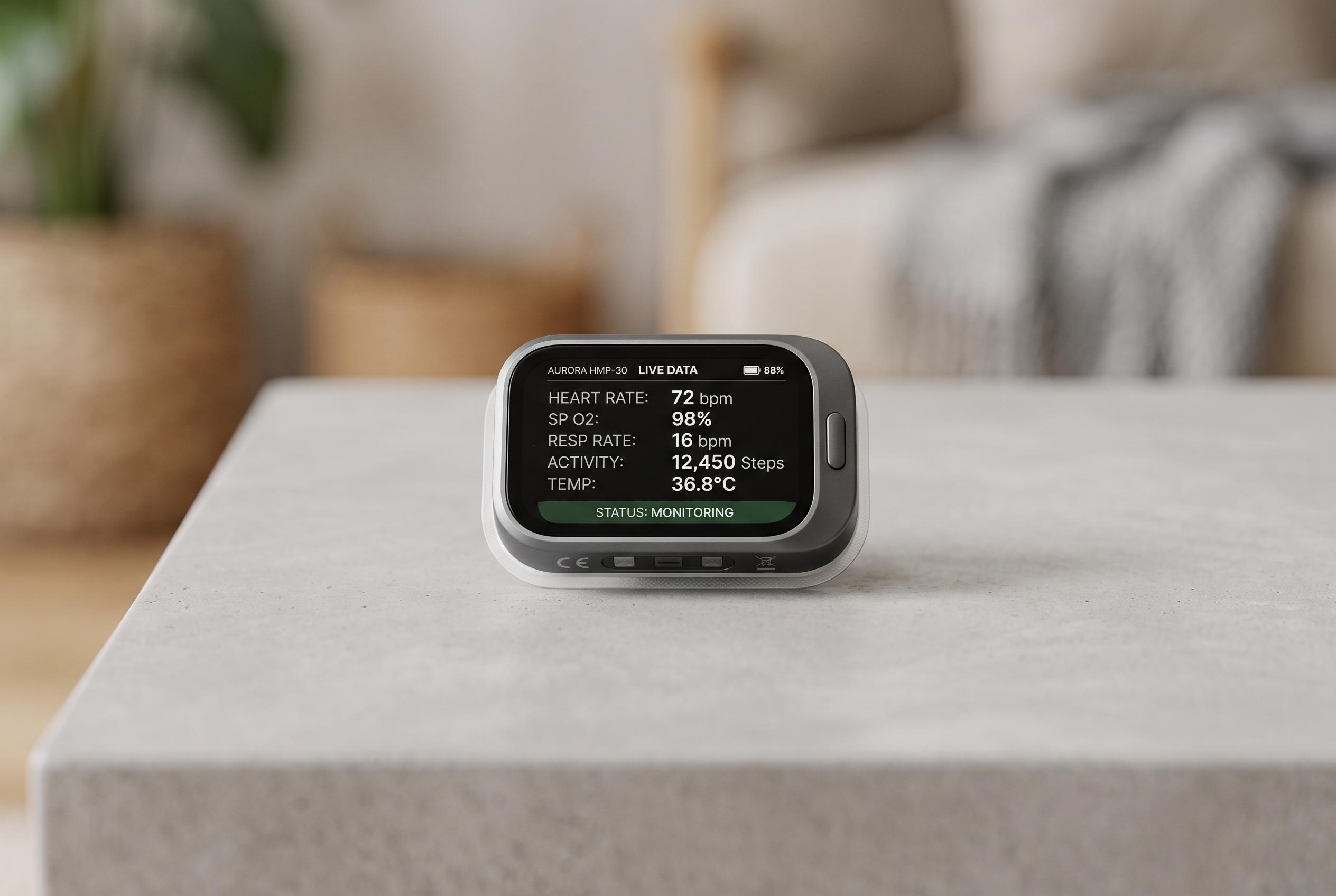
The devices themselves are also becoming more capable. Sensors such as optical detectors, accelerometers and thermistors are now good enough, experts say, to measure heart rate, movement, skin temperature and other signals with greater reliability than a decade ago. Dr Andrew Jagim of Mayo Clinic Health System told the Globe that sleep data in particular has improved, to the point that some measures once dismissed are now useful enough to inform medical and training decisions. That progress is important because the more accurately a wearable can infer physiological changes, the easier it becomes to use that data in clinical settings.
Yet the market is still fragmented. Whoop, based in Boston, sells a subscription wristband at a premium price and has built a following among athletes who value recovery and strain scores. Apple Watch and Fitbit remain broader wellness products, Garmin leans towards serious endurance users, and Oura has built a strong position with women by emphasising cycle and ovulation tracking. Analysts say the next phase will be less about raw data and more about guidance, with AI coaches drawing on other digital signals to advise users when to train, sleep or eat.
The route into healthcare, however, remains slow and heavily regulated. Ubrani told the Globe that the medical sector moves cautiously, and Whoop’s recent clash with the US Food and Drug Administration showed the risk of crossing into clinical territory too quickly. After Whoop introduced a blood pressure estimate, the agency said the feature amounted to an unapproved medical device. In June, the FDA shifted course with new guidance that exempted wellness blood pressure readings from medical device regulation, a significant win for Whoop and for the wider wearable industry. Whoop chief executive Will Ahmed welcomed the decision and said the company looked forward to bringing more regulated medical technologies to market.
Disclaimer: This content is intended for informational purposes only. Readers are advised to exercise their own judgement, conduct due diligence, or consult a qualified expert before acting on any information provided.