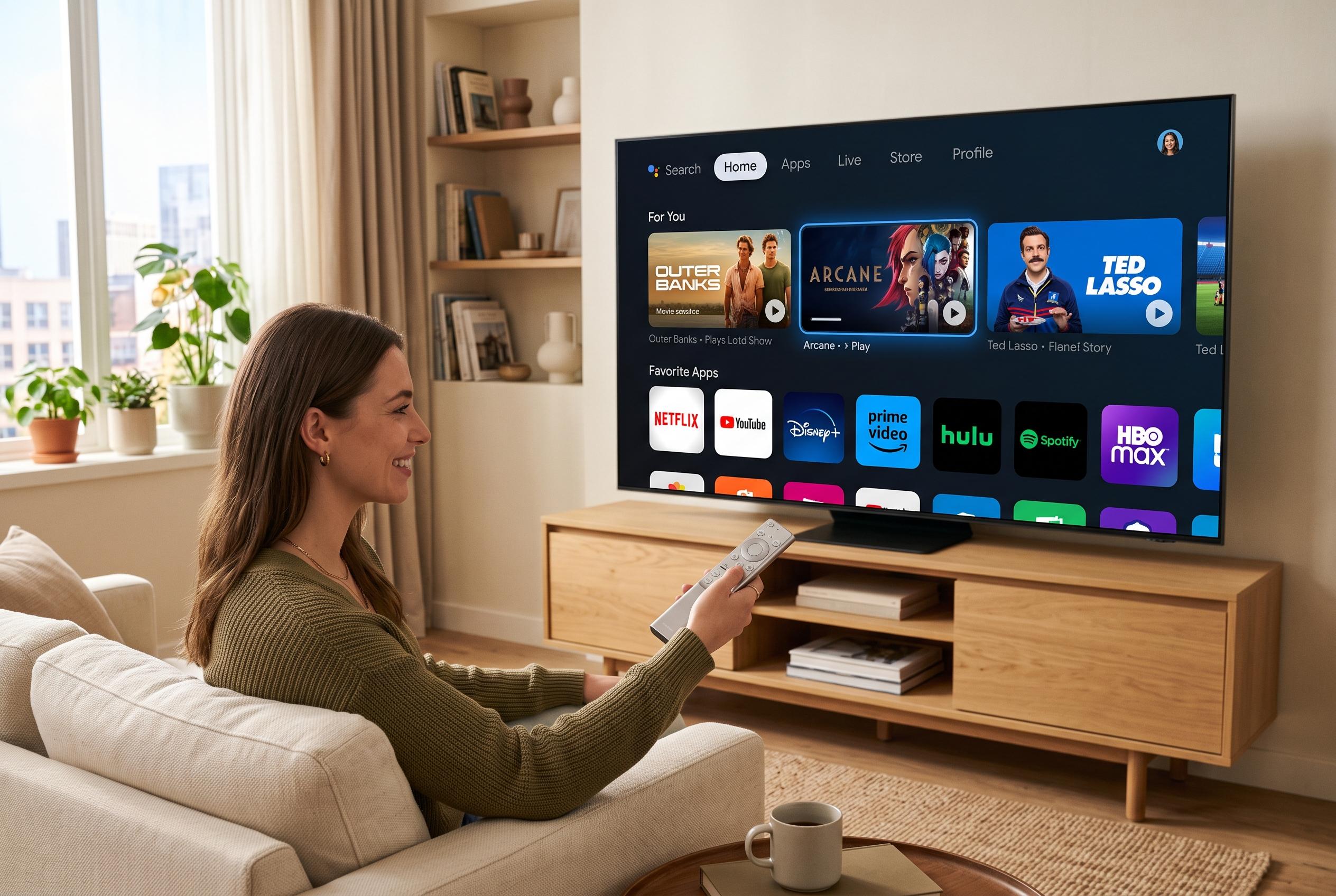

As Android TV continues to evolve in 2026, its flexibility, app support, and portability make it a leading choice for users seeking customisable and adaptable television experiences across home and travel setups.
Android TV remains one of the most adaptable platforms for modern television and streaming, especially for viewers who want a single system that works at home and on the road. Built by Google for large screens and remote control navigation, it gives users access to the Google Play Store, broad app support and a familiar Android-based interface designed for television use. In practice, that means streaming services, news, weather, games and IPTV can all sit on the same device, whether the platform is built into a television or delivered through an external box or stick. According to the guide, that flexibility is a major reason for its continued appeal in 2026.
One of Android TV’s main strengths is that it is not tied to a single hardware brand. TVs from companies such as Sony, Philips and TCL use it, and it is also available through standalone devices such as NVIDIA Shield and other Android TV boxes. Many newer products now use Google TV, which is a newer interface layered on top of Android TV rather than a separate operating system. That matters because it preserves compatibility while changing the presentation, giving users a more curated home screen without removing the underlying Android foundation.
The platform is especially attractive for viewers who want more than the closed ecosystems offered by some rivals. Because it is based on Android, it supports a wider range of apps and third-party tools than many competing TV systems. That includes sideloading, which means installing apps outside the Play Store using APK files. Done carefully, this opens up more customisation, including alternative launchers, file managers and emulators. It also explains why Android TV remains popular with technically minded users who want greater control over layout, app choice and device behaviour.
Its portability is another advantage. For campers and motorhome owners, an Android TV box or streaming stick can be moved from one screen to another with minimal effort, provided the television has an HDMI input. The same apps and logins travel with the device, which makes it a practical option for a house on wheels. When paired with a mobile router and a suitable data plan, it can deliver a near-home television experience in a caravan or motorhome. The guide also notes that IPTV is one of the most common uses in that setting, because it removes the need for satellite equipment and can be simpler to manage when reception is limited.
Setting up Android TV is straightforward. Users connect the device to a television, join a Wi-Fi or wired network, sign in with a Google account and then install apps from the Play Store. IPTV apps can be added in the same way, or sideloaded if needed, although the guide stresses the importance of using trusted sources. According to several 2026 IPTV setup guides, including those from NecroTV, Flixora and Done IPTV, the most commonly recommended players include TiviMate, IPTV Smarters and Perfect Player, with setup typically centred on adding an M3U playlist and then adjusting channel and guide settings.
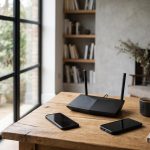
Performance depends heavily on the device and network. For IPTV, a stable connection is essential, with HD streams needing modest but reliable bandwidth and 4K streams requiring much more. The guide advises using a 4G or 5G router on the road where fibre broadband is unavailable, and that aligns with broader IPTV setup advice from specialist guides, which also highlight network tuning, remote-control shortcuts and basic security practices. In other words, the software is only part of the experience; the quality of the connection often decides whether playback is smooth or interrupted.
In comparison with Apple TV, Samsung’s Tizen and LG’s webOS, Android TV is less locked down and usually offers a wider app selection. Apple TV is often praised for polish and ecosystem integration, but it is typically more expensive. Tizen and webOS are fast and easy to use, yet they remain manufacturer-specific platforms with fewer third-party options. For buyers who care most about app flexibility, IPTV compatibility and the ability to adapt a device to different use cases, Android TV continues to be the most practical choice.
The platform’s future appears to be moving towards tighter integration with Google services, more personalised recommendations and wider deployment across devices beyond conventional televisions. That includes projectors, audio systems and even vehicles. For users in caravans and motorhomes, the combination of better mobile networks and more capable routers should make IPTV and streaming more reliable over time. For now, Android TV remains a sensible, low-friction option for anyone who wants a flexible television system that can move easily between home, travel and custom installations.
Disclaimer: This content is intended for informational purposes only. Readers are advised to exercise their own judgement, conduct due diligence, or consult a qualified expert before acting on any information provided.