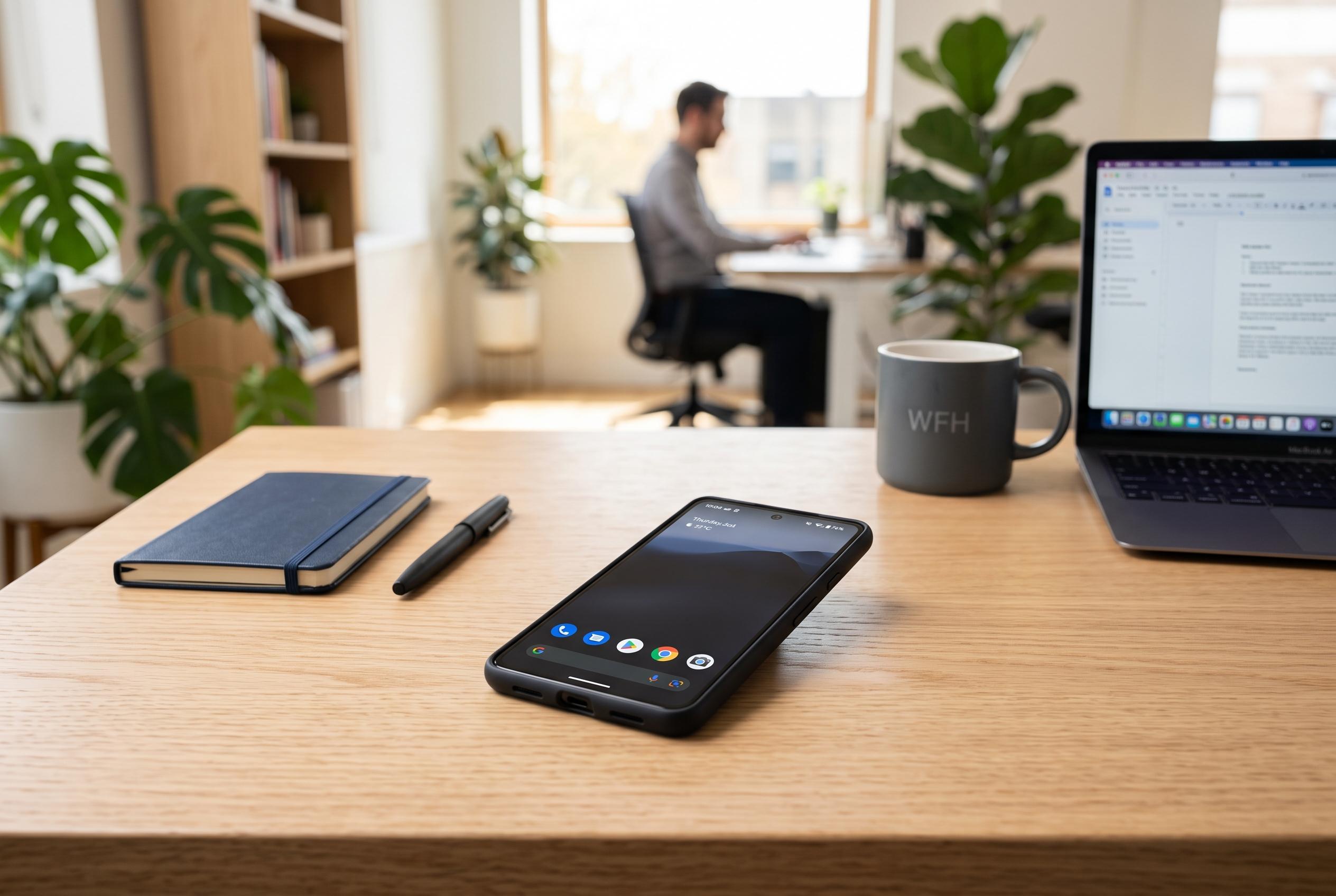

While Bluetooth on smartphones minimally impacts battery life, security risks prompt experts to recommend turning it off when not in use, especially in crowded areas where unwanted connections are a concern.
Bluetooth remains one of the most useful features on a smartphone because it quietly keeps earbuds, watches, fitness bands and car systems connected. On modern handsets, though, it is far less demanding than it once was. TechAdvisor notes that current devices generally rely on Bluetooth Low Energy, or BLE, which is designed to cut power use when nothing is actively connected. That means the feature usually sits in a low-power state rather than constantly drawing heavily from the battery.
The effect on battery life is modest. RunCheckApp says a phone with Bluetooth enabled but not paired to an accessory will usually use only a small amount of power, while Business Today estimates the drain at about 1% to 3% of total battery capacity over a full day. The larger impact comes when the phone is actively streaming audio or maintaining several connections at once. Even then, Bluetooth typically consumes less power than screen brightness, mobile data, Wi-Fi or GPS.
Security is the stronger reason to switch Bluetooth off when it is not needed. TechAdvisor warns that leaving it on can expose a phone to unnecessary risk, especially in crowded places where devices are constantly nearby. Reporting on advice attributed to NSA technology experts, AS highlighted threats such as bluejacking, which sends unsolicited messages, and bluesnarfing, which can be used to try to reach personal data. SlashGear has also warned that keeping Bluetooth available all the time can widen the attack surface for unwanted connection attempts.
For most people, the practical rule is simple: turn Bluetooth off when you are not using it, but do not worry about a major battery penalty if you leave it on for daily accessories. If you rely on wireless earbuds, a smartwatch or a car system every day, the convenience usually outweighs the small power cost. If you do not use Bluetooth regularly, switching it off is a sensible security habit that may also save a little battery.
Disclaimer: This content is intended for informational purposes only. Readers are advised to exercise their own judgement, conduct due diligence, or consult a qualified expert before acting on any information provided.