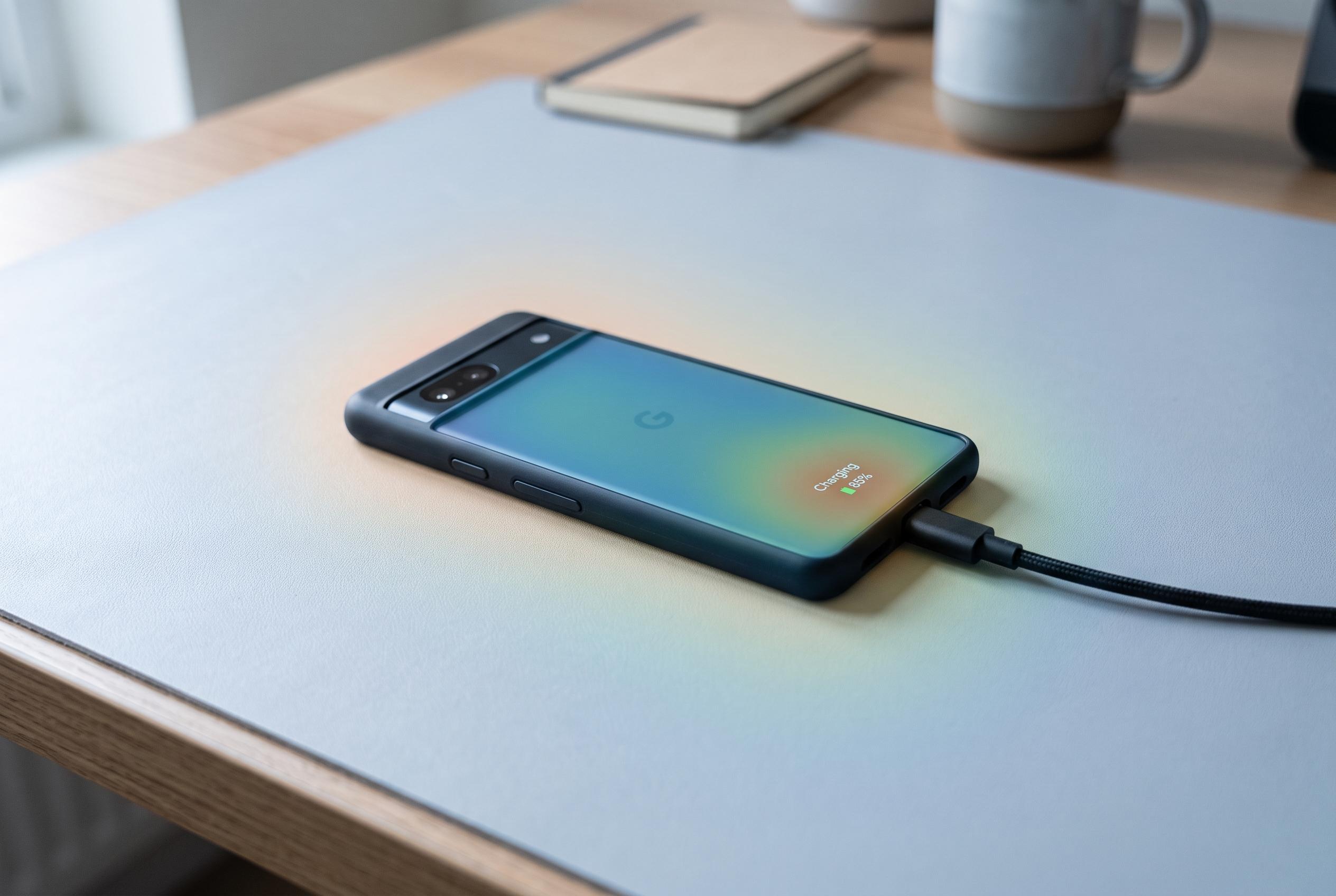

While using a smartphone while charging is generally safe, emerging guidance emphasises the importance of managing heat to prolong battery lifespan, with manufacturers introducing features to limit heat-related wear.
Using a smartphone while it is plugged in does not automatically damage the battery, but what matters most is heat. According to Melablog and supporting guidance from Samsung and Google, light tasks such as checking messages or reading email usually have little effect beyond slowing the charge rate. Heavier use, including gaming, video recording, navigation and long video calls, can raise temperatures and place more strain on lithium-ion cells over time.
That distinction is important because modern phones are designed to manage power while charging. Samsung says using a Galaxy device during charging is safe, although the battery may fill more slowly when the screen, mobile data and processor are active. The real risk comes when the device is already warm and then has to work harder, which can push internal temperatures higher and accelerate chemical wear.
Apple also warns that iPhone may slow or pause charging if the handset gets too hot, and recommends avoiding charging or use in environments above 35C. If a phone feels very warm, the practical response is to stop demanding tasks for a short period and let it cool. Samsung’s UK support material similarly advises users to avoid non-genuine chargers or cables and to be careful with wireless charging, where foreign objects can contribute to extra heat.
Some manufacturers now include features designed to reduce that stress. Samsung offers a USB Power Delivery charging pause on certain Galaxy models during gaming, so power can go to the system rather than the battery itself. Google, meanwhile, provides Adaptive Charging and an 80% charge limit on compatible Pixel phones, both aimed at reducing time spent at full charge and limiting battery wear.
The broader message is that occasional use while charging is not a problem. The better habit is to avoid sustained high-load tasks when the phone is hot, use reliable chargers and cables, and keep the device uncovered so heat can escape. For many users, the most battery-friendly approach is not to avoid the charger entirely, but to avoid unnecessary heat.
Disclaimer: This content is intended for informational purposes only. Readers are advised to exercise their own judgement, conduct due diligence, or consult a qualified expert before acting on any information provided.