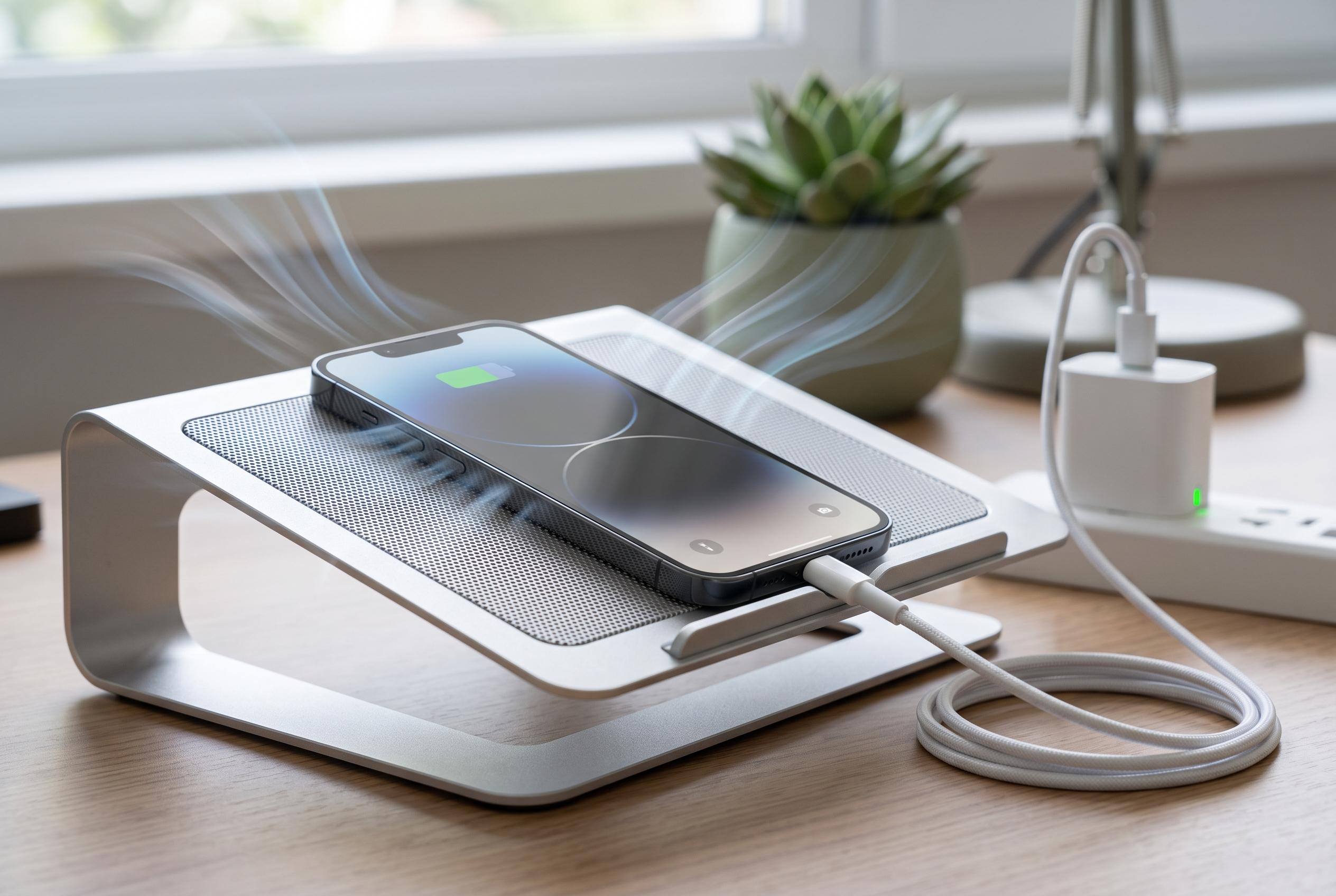

While using a smartphone while charging is generally safe, prolonged heavy use and poor charging conditions can accelerate battery ageing due to heat. Experts recommend well-ventilated charging and certified accessories to preserve battery life.
Using a smartphone while it is plugged in is not, by itself, what typically damages the battery. The main issue, according to the explanations published by Batteries Plus and Science Insights, is heat. Modern phones are built to handle light use while charging, so routine activity such as messaging, reading news, checking email or browsing is generally not a problem.
The risk rises when the handset is under heavier strain. Gaming, video editing, livestreaming or running several apps at once can force the processor to work harder at the same time as the battery is charging. That combination produces more heat, and sustained heat is one of the main factors that accelerates lithium-ion battery ageing, reducing capacity and long-term performance.
Some higher-end devices now include bypass charging, a feature noted in the Vietnamese article and common in many gaming phones. It lets power from the charger feed the phone directly rather than repeatedly cycling through the battery. In practice, that can reduce heat and limit wear on the battery during long sessions of plugged-in use.
Charge location and accessories matter as much as behaviour. Reports from TechRadar and Anker warn that charging on a bed, sofa, pillow or other soft surface can trap heat, while thick cases can do the same. Using uncertified or low-quality cables and chargers can also create unstable power delivery, which increases the risk of malfunction and, in rare cases, fire.
The safer approach is simple: keep the phone in a well-ventilated place, use approved charging gear and avoid demanding tasks while it is plugged in. Light use is usually fine, but if the device becomes unusually hot, shows swelling, emits a burnt smell or the charger behaves erratically, charging should stop immediately.
Disclaimer: This content is intended for informational purposes only. Readers are advised to exercise their own judgement, conduct due diligence, or consult a qualified expert before acting on any information provided.