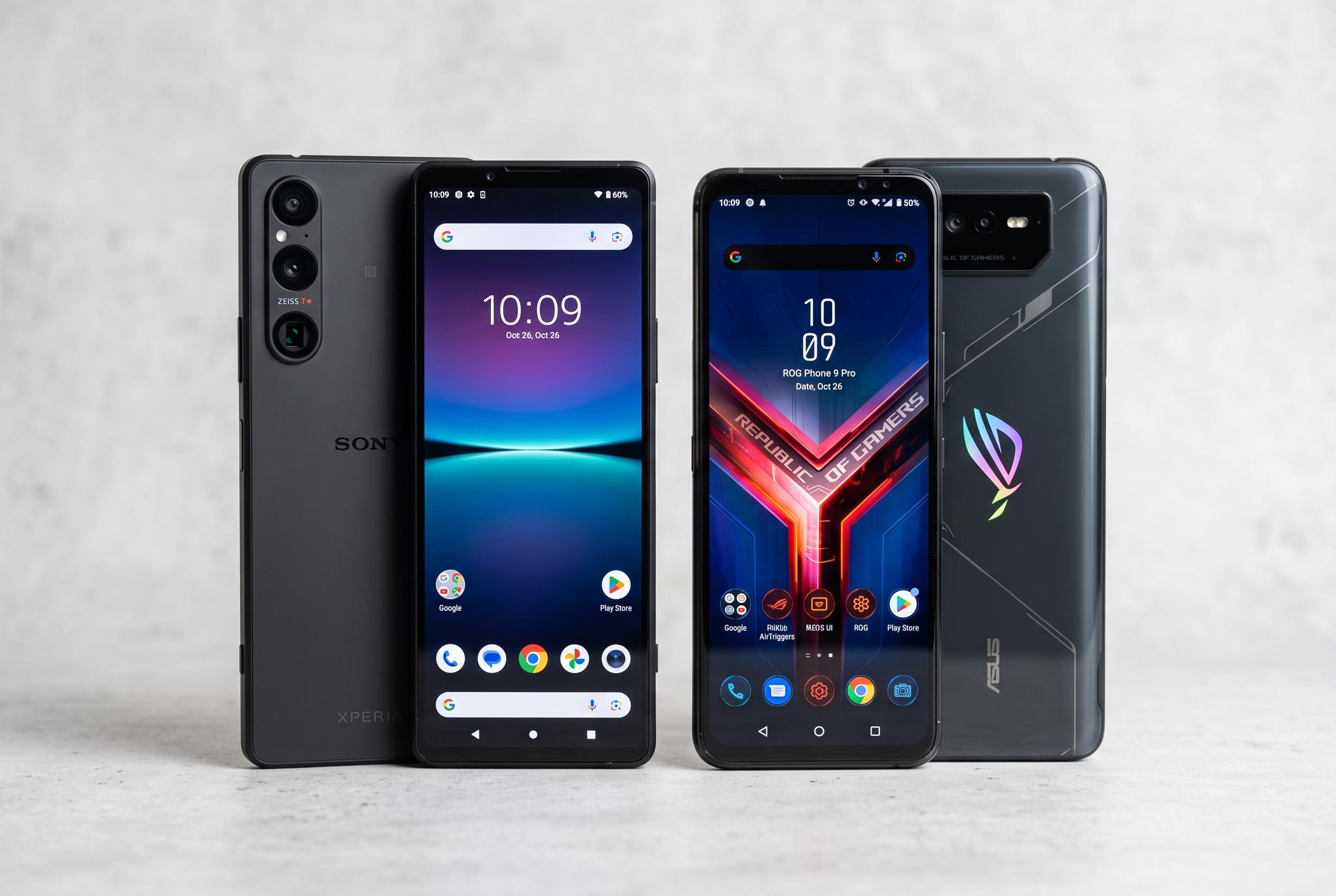

A select few recent phones, including Sony Xperia 1 VII and Asus ROG Phone 9, combine 3.5mm jacks with aptX Adaptive support, offering versatile options for wired and wireless listening , but the small field highlights manufacturers’ divided approach to audio features.
Readers looking for a phone that keeps both a 3.5mm jack and aptX Adaptive face a narrow field. The two features are often treated separately by manufacturers, which is why many models that sound well specified on paper still force users into Bluetooth-only listening or an adapter. After checking the current crop of devices, the shortlist is led by Sony, Asus, RedMagic and Motorola, with each brand taking a different approach to wired and wireless audio.
Sony’s Xperia 1 VII is the most complete example. Sony says the handset includes a headphone jack, microSD expansion, LDAC and aptX Adaptive, along with an IP65/IP68 rating and a Snapdragon 8 Elite chip. That combination makes it unusually strong for listeners who still prefer wired headphones but want a high-quality Bluetooth fallback. The practical drawback is distribution: Sony has not brought the Xperia 1 VII to the US as an official retail model, so buyers there are generally looking at imported units rather than domestic stock.
Asus offers the ROG Phone 9 and ROG Phone 9 Pro as official US models. According to Asus, both include a 3.5mm jack with Hi-Res Audio support up to 384 kHz/32-bit, plus Bluetooth 5.4 with aptX Adaptive and aptX Lossless. The company also lists a 165Hz AMOLED display and a 6,000mAh battery, which reinforces the idea that these are not just gaming phones with audio extras, but well-equipped multimedia devices. Asus applies much the same audio package to the Zenfone 12 Ultra, which also has a headphone jack and aptX Adaptive and aptX Lossless support, although it is sold as an import rather than a mainstream US launch.
RedMagic’s 11 Pro follows the same pattern. The company says the phone retains a headphone jack and supports aptX Adaptive alongside aptX Lossless over Bluetooth 5.4. Motorola’s Moto G Stylus (2026) is the surprise entry because it is the lowest-priced option in the group, yet Motorola still lists a headphone jack and aptX Adaptive, with aptX Lossless, on the spec sheet. That makes it a notable value choice for buyers who do not want to spend flagship money just to preserve wired audio.
The field is small because many manufacturers have made separate decisions on the jack and the codec. Sony, Asus and the gaming-phone brands are among the few still investing in both. By contrast, devices such as Motorola’s Razr foldables may support aptX Adaptive but rely on USB-C for wired audio, while Nubia’s Z60 Ultra keeps Bluetooth support but drops the jack. For buyers, the useful rule is simple: check the port and the codec separately, because one no longer implies the other.
Disclaimer: This content is intended for informational purposes only. Readers are advised to exercise their own judgement, conduct due diligence, or consult a qualified expert before acting on any information provided.