
Maintaining and optimising a home solar array through regular cleaning, strategic placement, and efficient use of generated power can maximise household savings and system performance, industry experts reveal.
Keeping a home solar array productive is not just a matter of installing panels and walking away. As Unian reports, performance can fall quietly because of everyday conditions, and the difference between a well-managed system and a neglected one can be felt directly in household savings. Industry guides from The Home Depot, SolarRadar and EnergySage all note that efficiency depends on how much sunlight reaches the cells, with shading, dirt, temperature and panel type all affecting output.
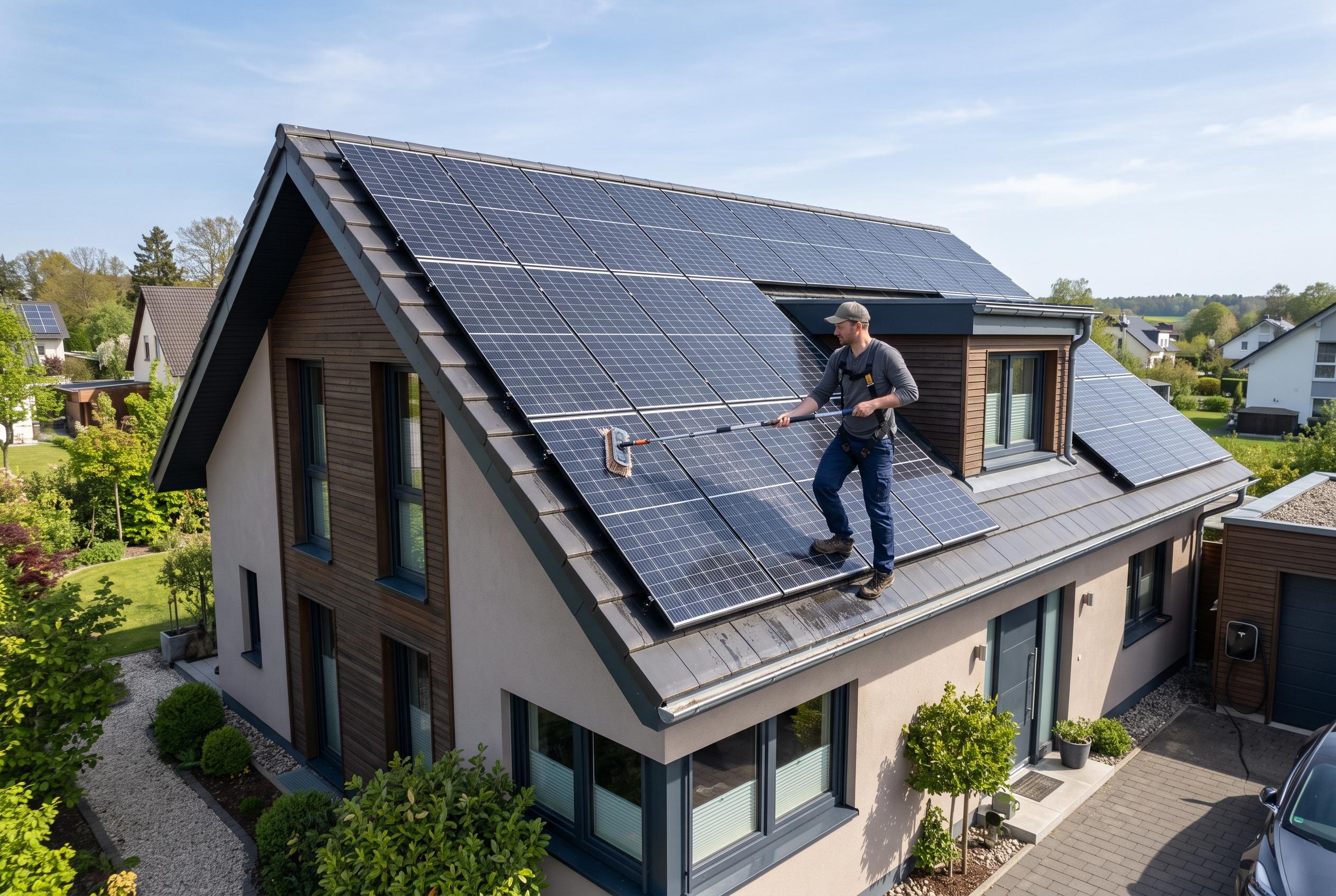
The first and simplest step is cleaning. Dust, grime, bird droppings and other deposits block sunlight and reduce generation, especially in dry areas where rain does little to wash panels naturally. The Home Depot and Rinecopo both say regular cleaning matters, with the latter recommending attention every two to three months in dusty or coastal locations. SolarRadar likewise identifies soiling as a real-world cause of lower output.
Shade is the next major drag on performance. Even a small shadow from a tree branch can suppress production across a much larger part of a system because of how panels are wired together. The Home Depot and SolarRadar both say orientation and shading are central to output, while SurgePV adds that panel choice also matters because higher-efficiency modules can produce more power in the same roof space. EnergySage and SolarScope note that monocrystalline panels are generally the most efficient residential option, typically outperforming polycrystalline and thin-film alternatives.
The third tactic costs little but can improve returns: shift heavy electricity use to daylight hours. Unian says running washing machines, dishwashers and electric vehicle charging when the system is generating the most power allows households to use more of what they produce. If no one is home in the afternoon, timers and smart sockets can automate the process. In systems with batteries, excess midday generation can be stored for the evening, reducing waste and improving self-consumption.
Disclaimer: This content is intended for informational purposes only. Readers are advised to exercise their own judgement, conduct due diligence, or consult a qualified expert before acting on any information provided.