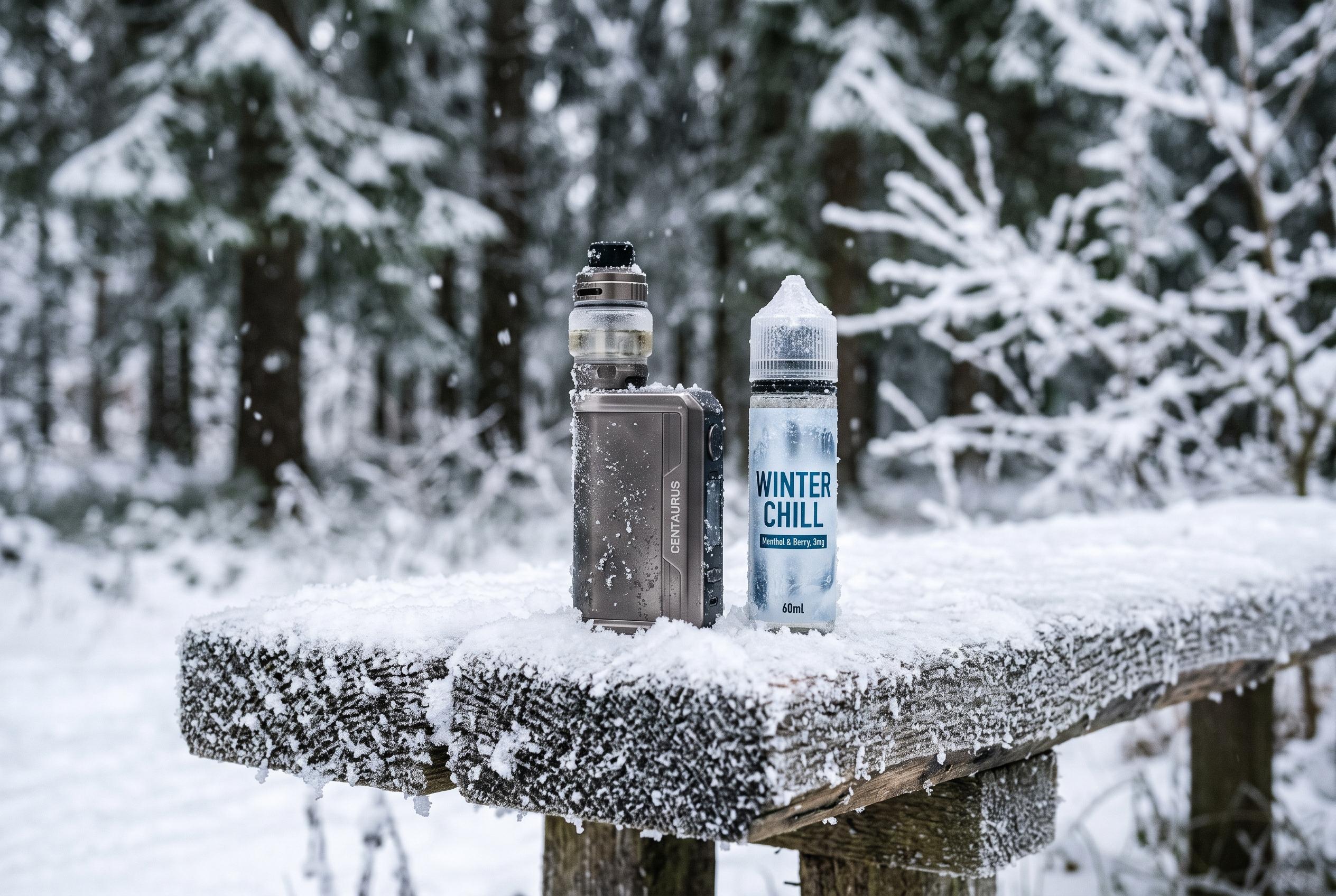

As temperatures drop, vapers face shorter battery life, thicker e-liquids and condensation issues, prompting experts to advise on best practices to prevent damage and ensure safety during winter.
Cold weather can make a vape feel less predictable, but the basic cause is straightforward: low temperatures change how batteries, e-liquid and small electronic parts behave. Users may notice shorter battery life, slower wicking, thicker liquid and a slight delay before the device produces vapour after being taken outdoors. According to material in the supplied sources, these effects are usually manageable if the device is kept sheltered, allowed to warm up gradually and not charged while still extremely cold.
The main battery issue is reduced efficiency. Technical guides on lithium-ion cells explain that cold temperatures make the electrolyte more viscous, which slows ion movement and raises internal resistance. In practical terms, that can reduce usable capacity, lower voltage under load and make a device seem to lose charge more quickly. CBS News, citing a mechanical engineering expert, reported that charging cold lithium-ion batteries is especially risky because the slowed chemistry can interfere with normal charging behaviour.
E-liquid is affected too. Rather than freezing solid like water, vape liquid usually becomes thicker as temperatures fall. That matters because the wick must draw liquid into the coil fast enough to keep it saturated. When the liquid is slow-moving, vapour production can become less consistent and repeated puffs can produce a burnt taste if the wick cannot keep up. High-VG liquids are more likely to show this effect because they are already thicker than 50/50 blends.
For that reason, the safest winter approach is practical rather than dramatic. Keep the device in an inside pocket when possible, avoid leaving it in a car overnight, protect it from rain and snow and give it extra time to recover to room temperature before charging. If the device has been exposed to severe cold, do not use a radiator, heater or hairdryer to warm it quickly. Let it warm naturally indoors, wipe away any condensation and only then connect it to a charger.
The type of liquid you use also matters, but winter does not normally require a complete change of setup. A thinner blend, such as a 50/50 liquid, is often easier for small pod systems to wick than a high-VG shortfill. Larger sub-ohm kits are built for thicker liquids. If a bottle seems unusually dense in cold weather, simply leaving it at room temperature is usually enough. Heating it aggressively is unnecessary and can be harmful.
Other winter effects are smaller but still worth noting. Metal mouthpieces can feel uncomfortably cold, and moving a device from freezing air into a warm room can cause condensation around the pod, mouthpiece or charging port. Leaks can also become more likely when the device moves repeatedly between cold outdoor air and a heated indoor space, because the liquid and air inside the tank expand and contract. The simplest protection is to keep the vape upright, dry and reasonably insulated, then let it return to room temperature before use or charging.
Disclaimer: This content is intended for informational purposes only. Readers are advised to exercise their own judgement, conduct due diligence, or consult a qualified expert before acting on any information provided.