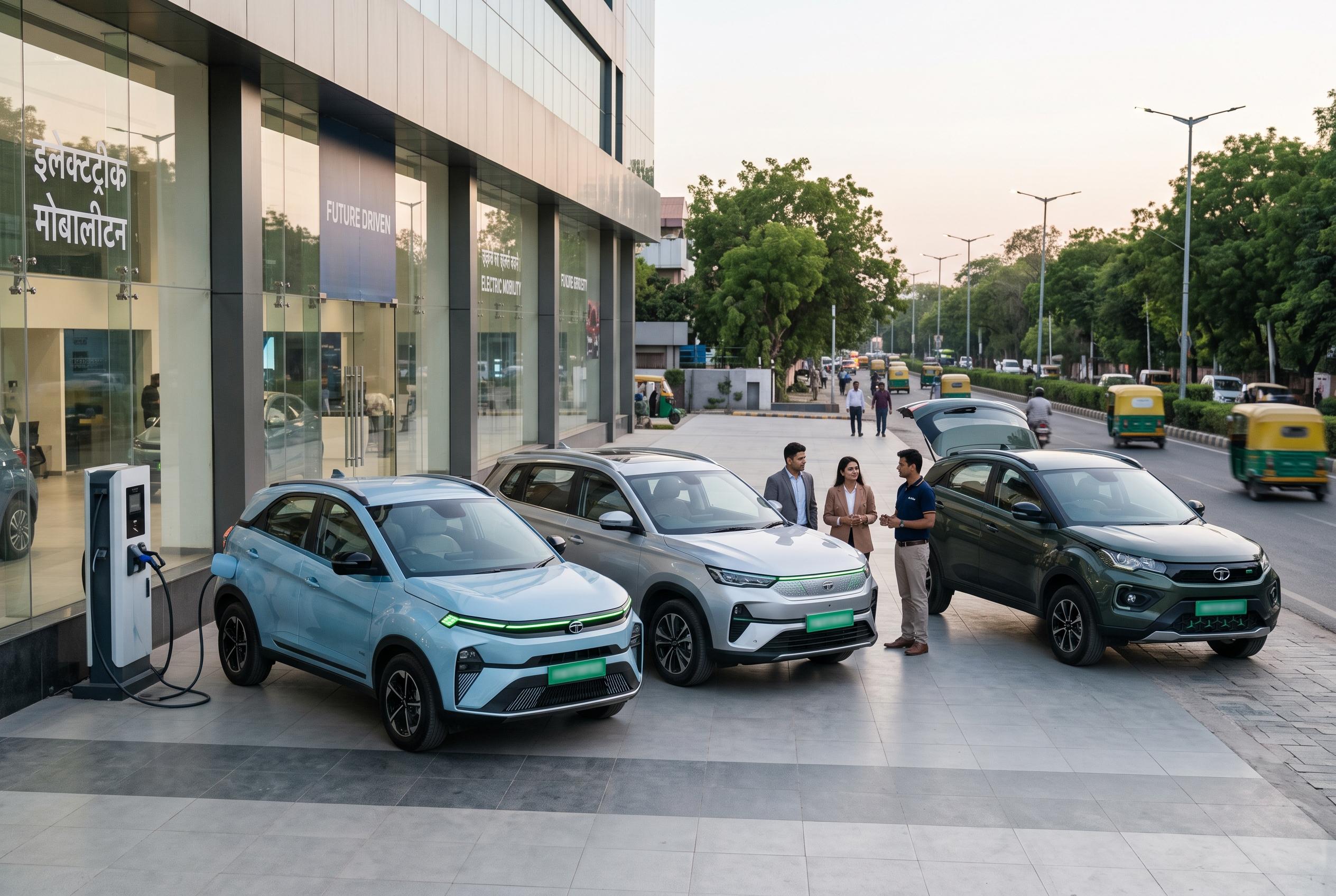

India’s electric vehicle market enters a new era in 2026, with major launches across SUV segments driven by increased range, space, and competitive pricing from brands like Tata, MG, VinFast, and others, signalling a more dynamic and diverse EV landscape.
India’s electric-vehicle market is moving into a wider and more competitive phase in 2026, with launches expected across compact, family and premium SUV segments. According to the lead article, buyers can expect fresh options from Kia, Tata, JSW MG Motor, Honda, Mahindra and VinFast, with the common thread being longer ranges, more cabin space and sharper pricing.
The strongest near-term signal comes from JSW MG Motor India. The company unveiled its MG ADAPT architecture in July 2026 and said its first model on the platform will be a seven-seat SUV available in battery-electric and plug-in hybrid forms. Autocar India reported that the model is due in August 2026, while MG’s own communications confirm the platform as a new multi-energy basis for future vehicles. That makes the model one of the most important launches in the second half of the year, especially for family buyers looking beyond compact EVs.
Tata Motors is also pushing deeper into the segment. Its Sierra.ev page is now live, and Tata says the model supports fast charging and is built for multiple terrain modes, underlining the brand’s plan to position it above mainstream compact EVs. Autocar India says the Sierra.ev has been priced from ₹18.79 lakh to ₹25.99 lakh, which places it in a crowded but fast-growing mid-size SUV bracket. For buyers, the key question will be whether Tata can match that pricing with the range and equipment expected of a flagship electric SUV.
VinFast is taking a different route with the VF 3, a compact electric model aimed at affordability and city use. The company describes it as a micro-SUV, suggesting a simpler and smaller product than the family SUVs arriving from Indian manufacturers. That gives it a clear role if it reaches India at a competitive price, because the market still lacks many low-cost EVs with distinct styling and practical everyday use. At the same time, the broader 2026 pipeline, as outlined in the lead article, also points to possible entries from Honda, Mahindra and Kia, signalling that the next phase of India’s EV market will be defined not just by range, but by size, platform choice and ownership costs.
For buyers, the practical lesson is unchanged: a quoted range is only one part of the decision. Charging access, battery warranty, efficiency, boot space, service support and home charging matter just as much. The next round of launches should give Indian customers more choice, but also more reason to compare carefully before buying.
Disclaimer: This content is intended for informational purposes only. Readers are advised to exercise their own judgement, conduct due diligence, or consult a qualified expert before acting on any information provided.