
Decades of declining memory costs have suddenly reversed as artificial intelligence applications drive unprecedented demand, bringing prices back to 2007 levels and impacting various tech sectors.
Computer memory prices have made an abrupt and unusual reversal, according to software performance expert Daniel Lemire, who said decades of falling costs were wiped out in only a few months by demand from the artificial intelligence industry. Lemire argued on X that RAM prices on a per-unit basis have returned to levels last seen in 2007, which he described as a historical anomaly.
The contrast with the long-term trend is stark. For years, memory became cheaper as manufacturing improved and components shrank. Tom’s Hardware noted that recent DDR5 price data compiled for the Stanford DAM Project places current pricing in a range last seen in the late 2000s, and in inflation-adjusted terms not far from 2011. In practical terms, that means the market has effectively reversed about 20 years of progress.
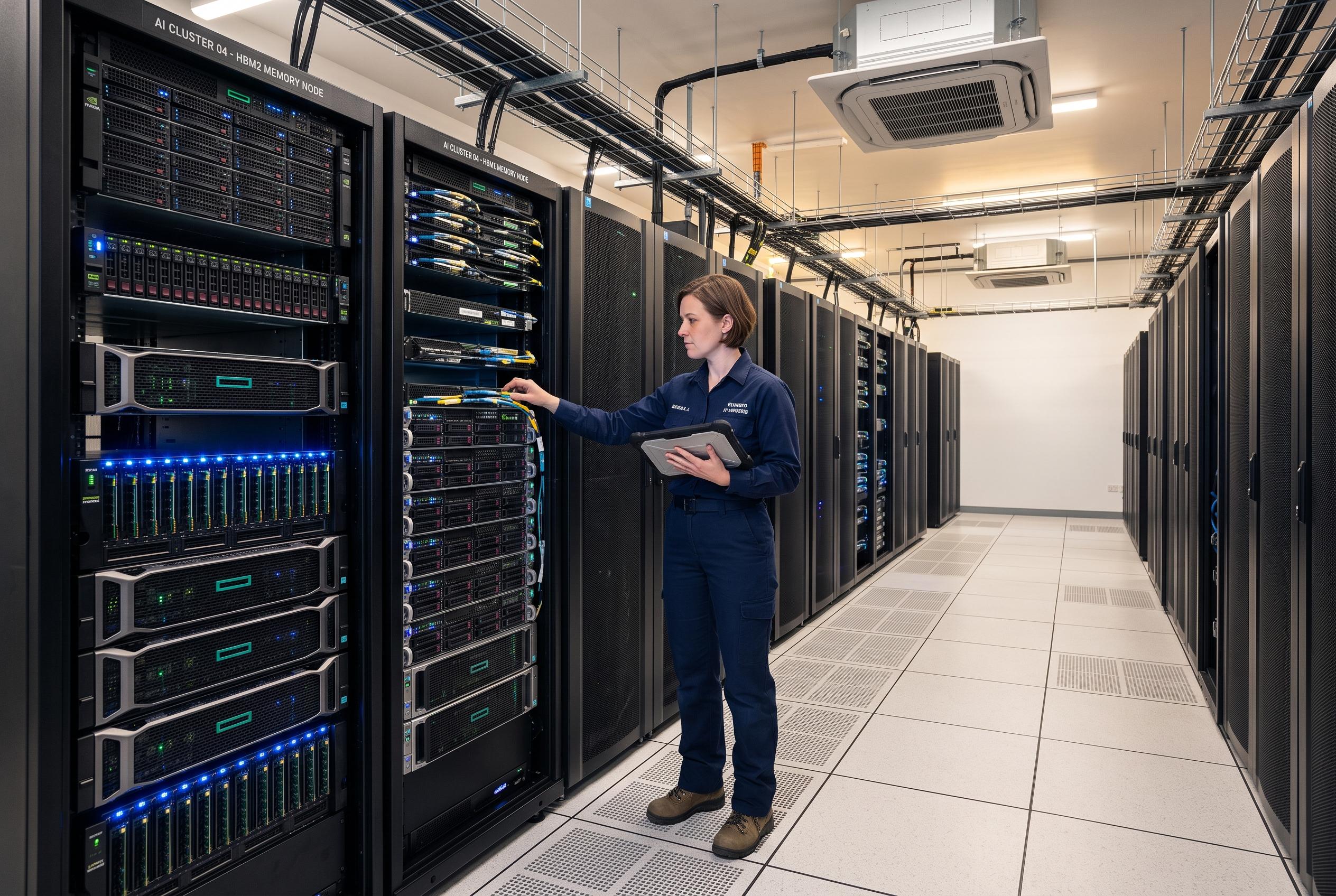
The immediate cause is not a collapse in production technology but the extraordinary appetite for high-bandwidth memory, or HBM, used in AI systems. Tom’s Hardware reported that the broader memory market is being pulled upwards by this demand, with industry figures suggesting output is rising quickly but still not fast enough to match consumption. Industry leaders, including SK Group chairman Chey Tae-won, have said memory prices are unusually high and that supply must increase.
The squeeze is now spreading beyond data centres. Tom’s Hardware has reported that graphics cards, smartphones, gaming consoles and even cars are feeling the pressure. For PC builders, the impact is already visible in retail pricing: one recent report said 32GB DDR5 kits now start at around $375. Another noted that some memory prices are beginning to level off, but only at elevated levels.
There are early signs that the steepest increases may be easing. A report citing TrendForce said conventional DRAM contract prices are expected to rise by 13% to 18% in the third quarter of 2026, while NAND flash prices are forecast to climb by 10% to 15%. That is still a sharp increase, but it is smaller than the roughly 60% jump seen in the previous quarter, suggesting the market may be moving from panic to plateau rather than returning to normal.
Disclaimer: This content is intended for informational purposes only. Readers are advised to exercise their own judgement, conduct due diligence, or consult a qualified expert before acting on any information provided.