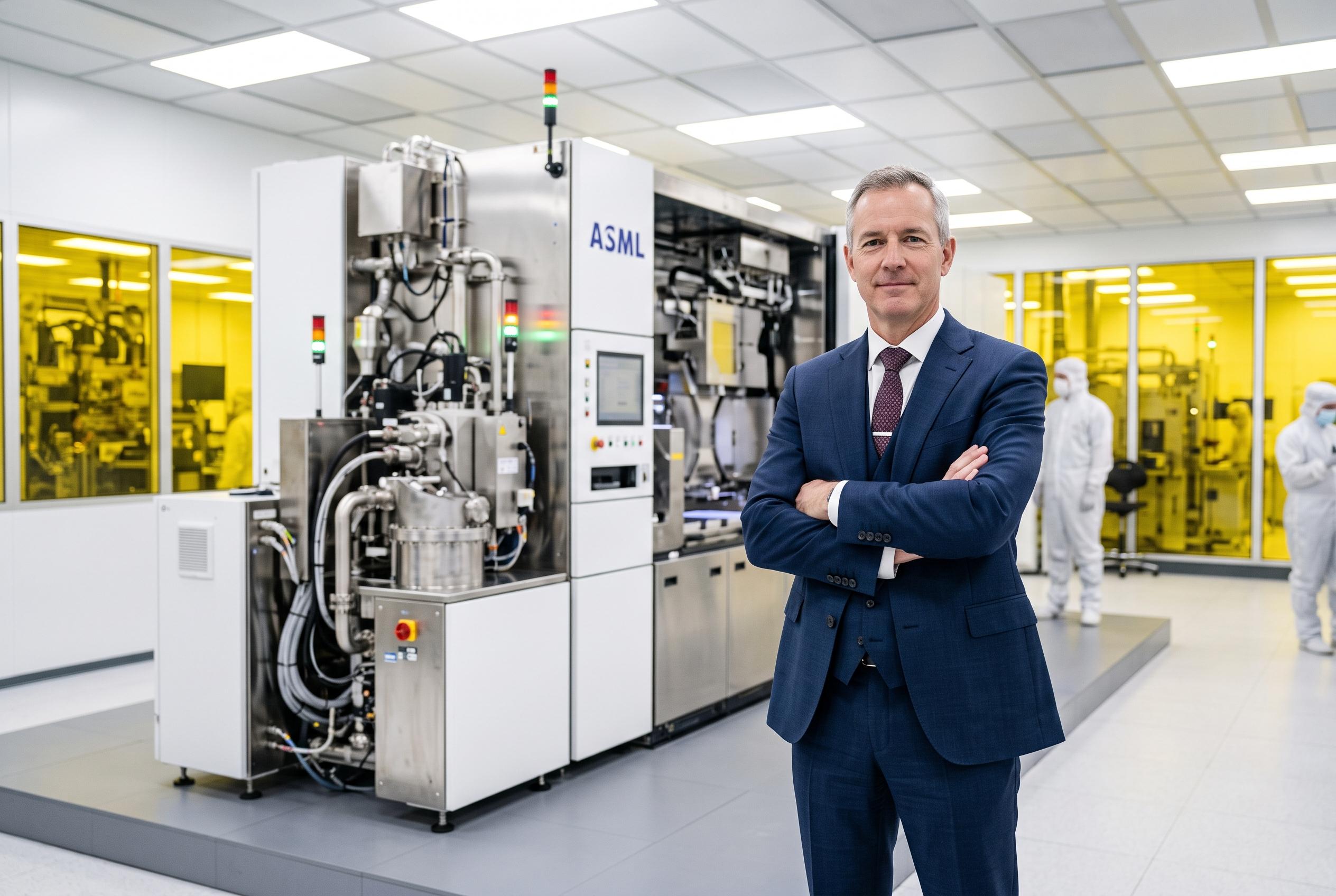

Intel’s recent $15 billion+ equity offering indicates a strategic move to accelerate its manufacturing ambitions and capitalise on its recovery momentum, rather than urgent distress measures.
Intel’s decision to return to the equity market with a multibillion-dollar offering has revived a familiar question for investors: is the company merely funding an expensive turnaround, or is it preparing for a more durable shift in its business? The move, first set at $15 billion and then lifted after strong demand, comes only a year after Intel used a combination of government support and strategic equity sales to strengthen its balance sheet. That earlier manoeuvre helped drive a dramatic share-price recovery, with the stock rising sharply from its lows before retreating from its June peak.
The scale of the latest sale matters because it came after chief financial officer David Zinsner had recently suggested Intel was not under pressure to raise capital. In a July earnings discussion, Zinsner pointed to more than $30 billion of cash, a $10 billion revolving credit facility and about $10 billion of non-core assets that could be monetised if needed. He also said customer prepayments had already helped the company unlock capacity. Against that backdrop, the new financing looks less like a routine balance-sheet exercise and more like a sign that management sees an opportunity worth seizing quickly.
One likely use is the build-out of Intel’s manufacturing footprint. The company is still spending heavily on new fabs in Arizona, Ireland and Ohio, while also trying to prove that its process technology can attract outside customers to Intel Foundry. According to reporting from Tom’s Hardware, Intel is preparing for future capacity needs, including work tied to advanced process nodes such as 14A, which it expects to bring into mass production in 2028. Axios reported that the company’s fundraising also reflects the wider wave of equity issuance across the United States, as firms rush to finance artificial intelligence infrastructure and related industrial expansion.
Another possibility is that Intel wants the cash to simplify its ownership structure in key factories. In 2022, Brookfield Infrastructure Partners agreed to back Intel’s Arizona fabs in a deal that gave it a large minority interest and a share of future profits. Intel has already bought out Apollo Global Management’s stake in an Irish fab venture this year, according to the company’s own disclosure and subsequent reporting, and a similar move involving Brookfield would fit that pattern. If Intel does choose that route, the capital raise could prove immediately accretive to earnings despite the dilution from new shares.
There is also a broader strategic argument. Intel has spent years trying to convince customers, investors and suppliers that its manufacturing turnaround is real. Recent progress on its 18A process node, including improved yields and a stronger reception for products built on the node, appears to have helped. The size of the new offering suggests Intel may now be trying to lock in that momentum before the next phase of capital spending begins. For shareholders, that is the central point: the raise could fund a more ambitious expansion, support a valuable buyout or both. Either way, it looks less like distress financing than a bet that Intel’s recovery still has room to run.
Disclaimer: This content is intended for informational purposes only. Readers are advised to exercise their own judgement, conduct due diligence, or consult a qualified expert before acting on any information provided.