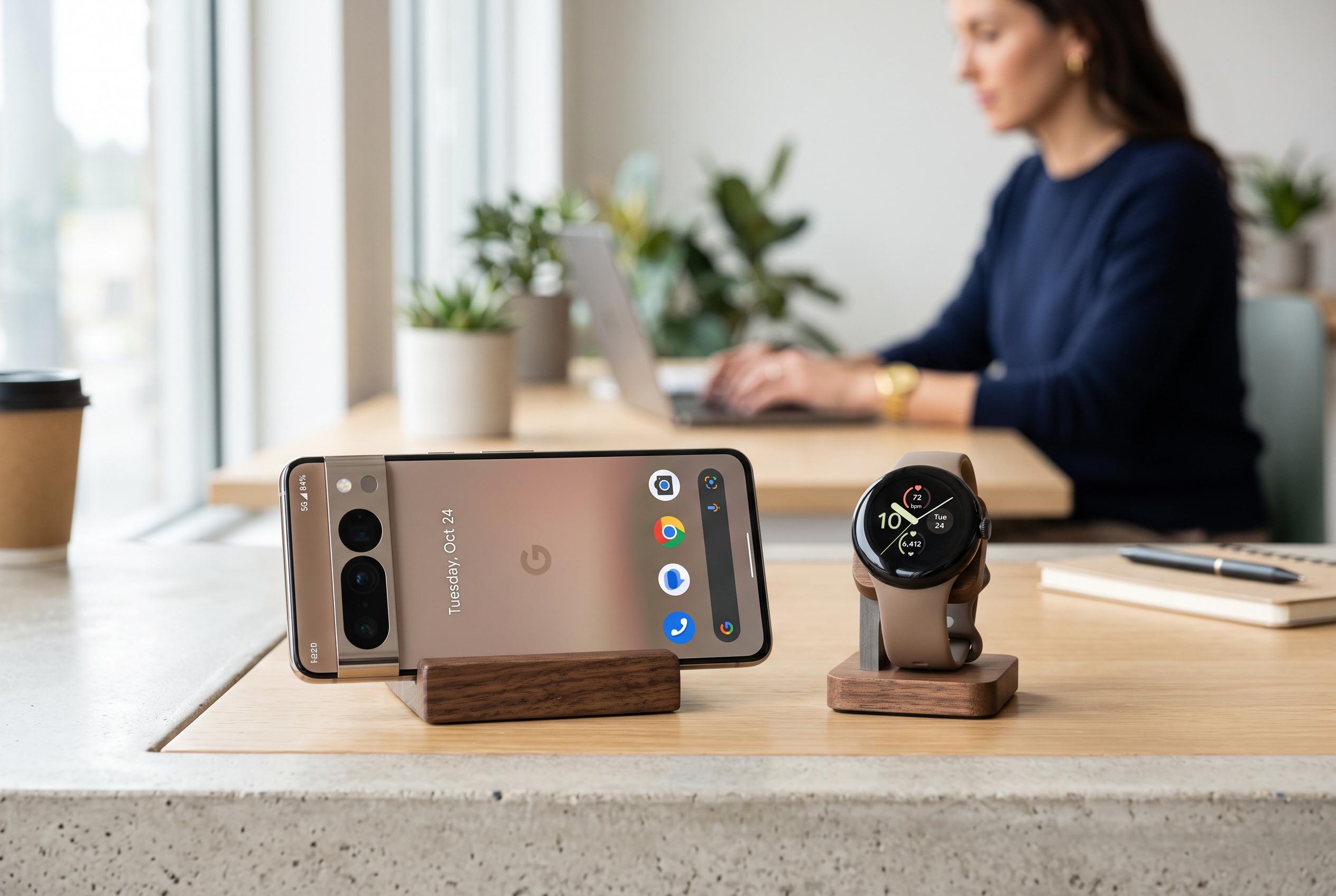

Google has raised the starting prices of its Pixel 11 range and Pixel Watch 5 models amid a surge in memory costs across the industry, potentially foreshadowing further hikes in upcoming Apple iPhone 18 Pro line prices in response to rising component costs.
Google’s latest Pixel launch suggests the smartphone market may be entering another round of price rises, with the company lifting starting prices across the Pixel 11 range by $100 and increasing the cost of its Pixel Watch 5 models as well. The move comes as Apple faces similar component pressures and, according to several recent reports, may be preparing higher prices for the iPhone 18 Pro line later this year.
The standard Pixel 11 now starts at $899, while the Pixel 11 Pro is priced at $1,099, the Pixel 11 Pro XL at $1,299 and the Pixel 11 Pro Fold at $1,899. Google has also raised the starting price of the 41mm Pixel Watch 5 to $399 and the 45mm version to $429. In some cases, the headline increase is softened by configuration changes: the Pixel 11 and Pixel 11 Pro now begin with 256GB of storage rather than 128GB, which makes the pricing comparable with last year’s higher-capacity models. But the Pixel 11 Pro XL and Pixel 11 Pro Fold, which already started at 256GB, are facing direct increases.
Google has also trimmed memory in parts of the range. The base Pixel 11 Pro and Pixel 11 Pro XL now come with 12GB of RAM instead of 16GB, meaning customers who want the higher-memory versions must pay more. Google told Engadget that the new models should still run faster than last year’s comparable versions, arguing that software and silicon improvements offset the lower RAM. That claim may prove important as the company tries to persuade buyers that the change is a technical trade-off rather than a cost-cutting measure.
The company is also leaning heavily on trade-in offers and payment plans, a tactic that can make the true upfront price less visible. On some product pages, Google highlights discounted “from” pricing with trade-in before showing the full cost, and it only reveals the complete price if a buyer declines the trade-in option. That approach is not unusual in consumer electronics, but Google appears to be using it more aggressively than before.
The wider backdrop is a surge in memory costs. Apple chief executive Tim Cook has described the market as facing “exponential increases in memory prices”, with chip makers prioritising parts for AI data centres. That pressure has already helped lift prices on Apple’s iPads and Macs, and analysts have said the iPhone 18 Pro models could become significantly more expensive too. Some estimates put the rise at as much as $200, while other reports have suggested increases of 10% to 20% on the Pro and foldable iPhone lines. Apple has not raised iPhone prices yet, but if it does, it may follow Google’s lead by pushing more storage into the base model while keeping the headline increase less obvious.
Disclaimer: This content is intended for informational purposes only. Readers are advised to exercise their own judgement, conduct due diligence, or consult a qualified expert before acting on any information provided.